
Last updated November 5, 2026
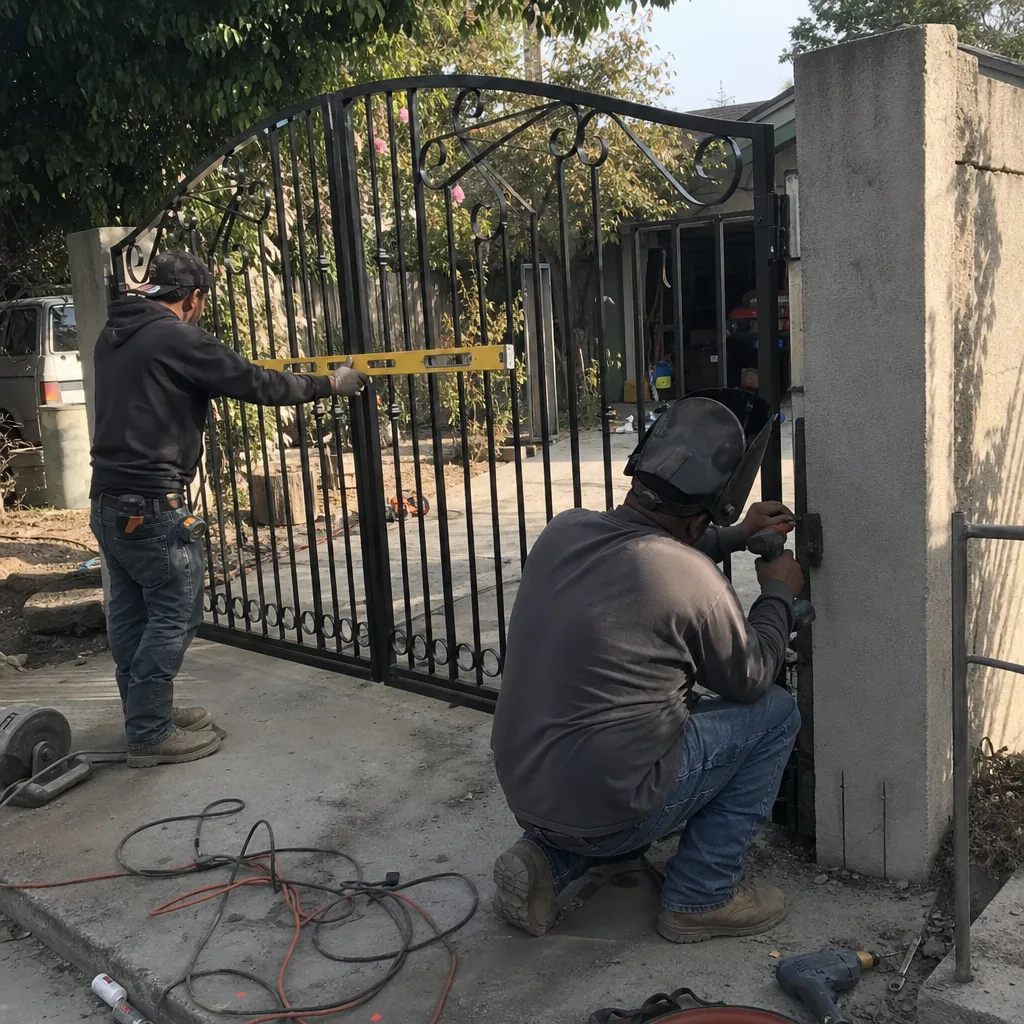
 Wrought iron
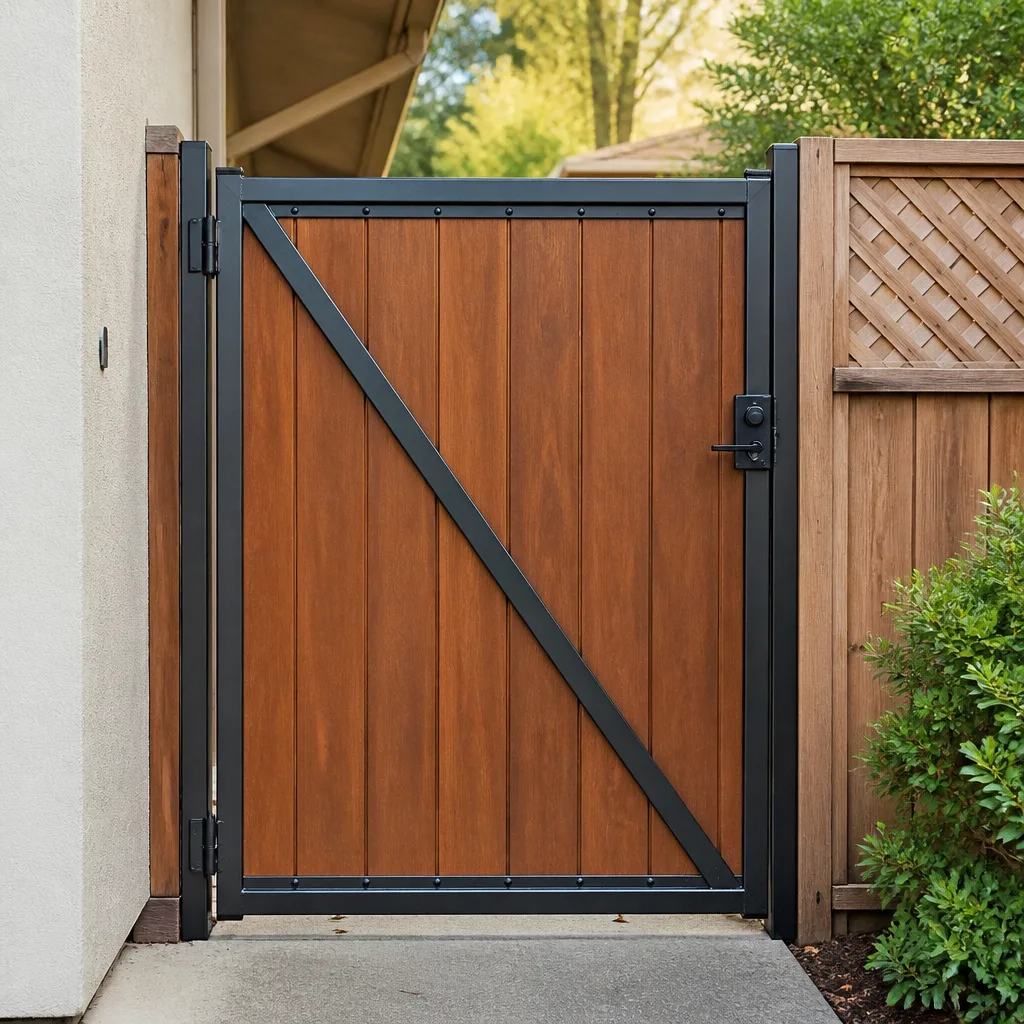 Wood & steel frame
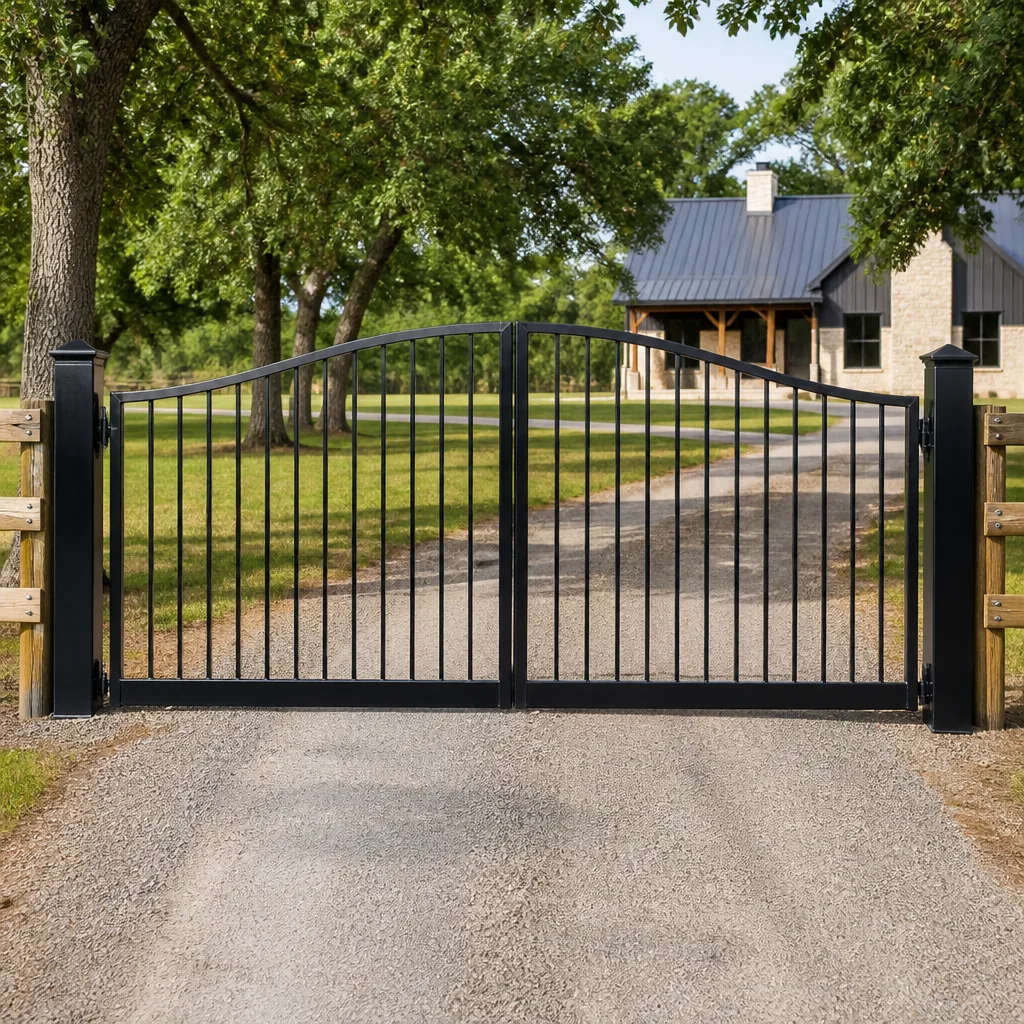 Farm & ranch
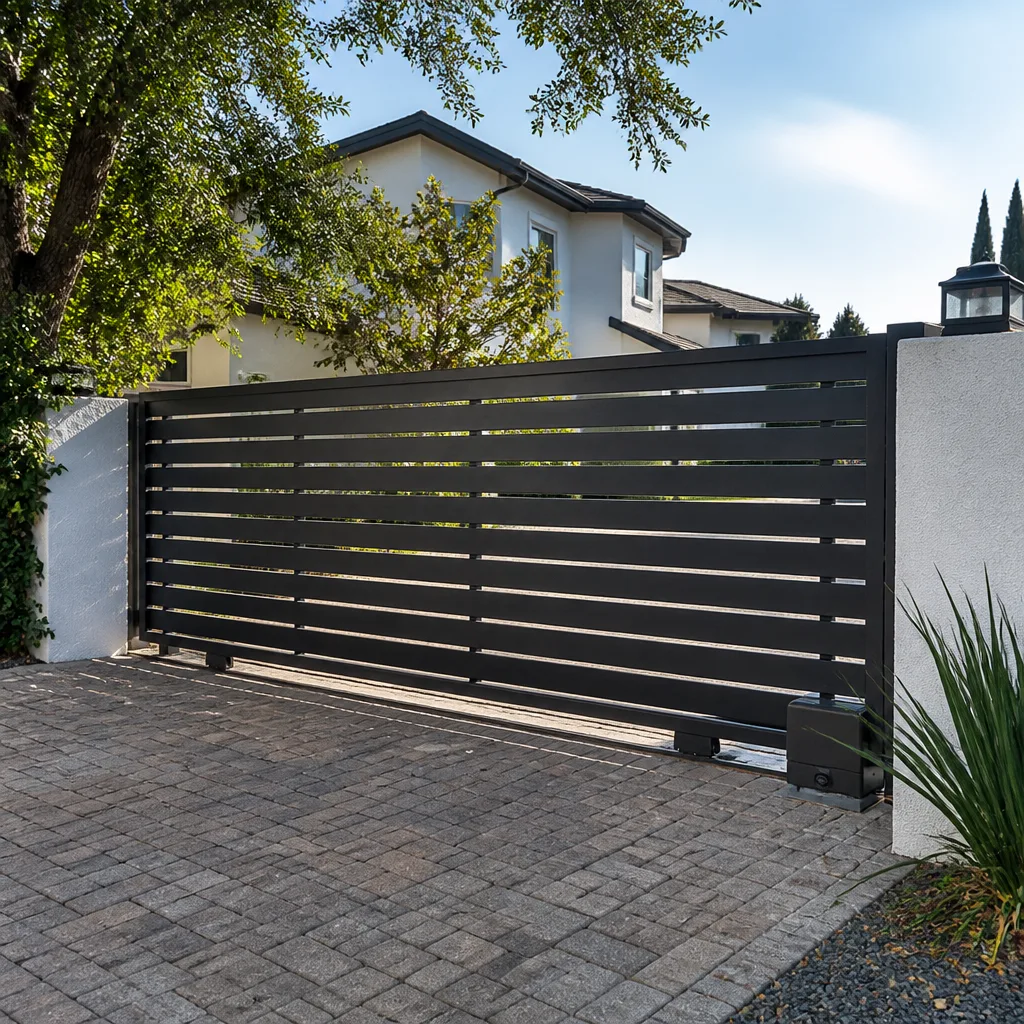 Sliding driveway gates
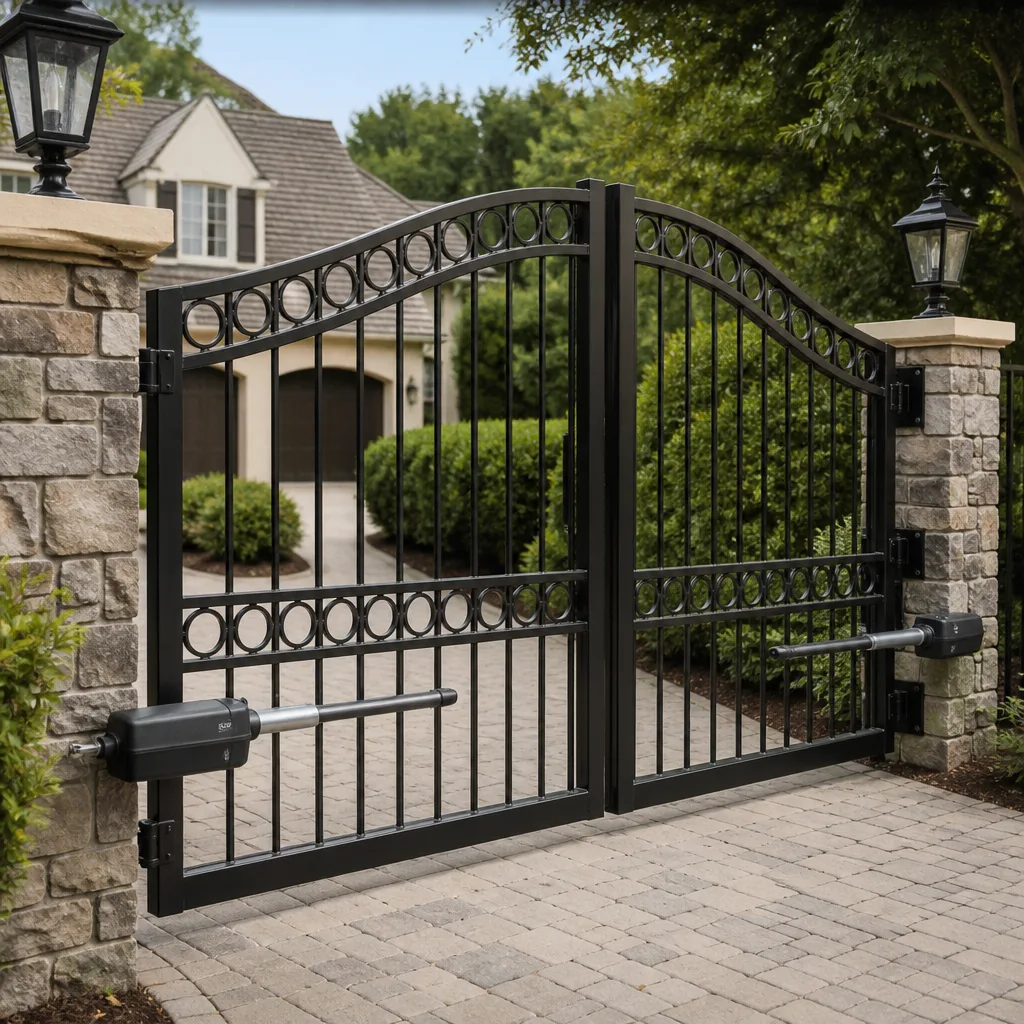 LiftMaster operators
Free on-site gate assessment - hinges, posts, and your LiftMaster or Nice gate operator checked before anything is quoted
The assessment is free and the quote is the invoice.
Get your free estimateSeasonal Gate Repair Care for Atwater Village: Year-Round Homeowner’s Guide
Most homeowners in Atwater Village assume a gate that works in June will work in January. That assumption is why our busiest repair weeks aren’t in any season you’d circle on a calendar. They come in late October and early November, right after the first real rainstorm, when six months of accumulated dust and grit turns to a conductive paste inside operator housings that were never sealed correctly. This guide maps gate maintenance to the actual failure windows Atwater Village creates: Santa Ana wind cycles, sudden winter downpours, and summer heat that moves metal in ways you can measure. By the end, you’ll know which weeks matter, what to check, and what genuinely needs a technician versus what you can handle yourself.
Styles & brands we work with
- Wrought iron
- Wood & steel frame
- Farm & ranch
- Sliding driveway gates
- LiftMaster operators
Quick Answer
Seasonal gate repair care in Atwater Village means working with the neighborhood’s actual weather pattern, not a generic four-season calendar. The critical windows are pre-Santa Ana season (September through mid-October), the two-week period after the first major rainstorm (usually late October), and the first sustained 90°F+ heat wave of summer (typically June or July). Most failures are preventable with three annual checks we’ll detail below: cleaning photocell lenses, inspecting operator enclosures for dust intrusion, and testing auto-close calibration during temperature shifts.
Table of Contents
- Pre-Santa Ana Season Prep: Dry Heat and Debris Pressure
- Post-Rainstorm Inspection Protocol for Atwater Village Lots
- Summer Thermal Expansion: How Different Gate Materials Behave in 95°F Heat
- Fire Season and Air Quality: Ash Infiltration into Control Boards
- The Annual Task Gate Companies Never Mention: Frame Re-Tensioning
- A Month-by-Month Maintenance Rhythm for Atwater Village
- Common Mistakes to Avoid
- When to Call a Professional
- Frequently Asked Questions
- The Bottom Line
Pre-Santa Ana Season Prep: Dry Heat and Debris Pressure
Santa Ana winds typically pick up in Atwater Village from September through November, and they carry more than heat. They carry fine dust, leaf litter, and the kind of airborne grit that settles into every gap in a gate system. We’ve opened operator enclosures in late October that looked like they’d been dusted with flour inside. For electric gates, the two components that suffer most during Santa Ana season are photocell sensors and loop detector leads.
Photocell sensors sit low to the ground by design, which puts them directly in the path of wind-driven debris. A thin coating of dust on a sensor lens can reduce its signal enough that the gate refuses to close, or worse, fails to detect an obstacle and reverses unpredictably. We work on electric gate repair systems from LiftMaster, FAAC, BFT, and others that all rely on the same fundamental sensor logic. The fix is straightforward: wipe the lenses with a dry microfiber cloth every two to three weeks during wind season. Don’t use water or glass cleaner. Both leave residue that attracts more dust.
Loop detector leads, the wires that run from underground inductance loops to the operator board, face a different problem. The dry heat causes the soil around the loop to contract and shift slightly. In older installations where the lead wire wasn’t properly sealed at the conduit, this movement can work connections loose. You won’t see the damage. What you’ll notice is a gate that opens fine but hesitates or fails when a vehicle exits. If that happens during a wind event, it’s often the loop lead connection, not the operator itself.
Pre-Santa Ana checklist:
- Wipe photocell lenses on both sides of the gate path with a dry cloth.
- Clear leaf litter and debris from the gate track, especially for slide gates.
- Inspect the operator enclosure for visible dust accumulation around the seal.
- Test the gate’s auto-close function three times in a row to confirm consistent timing.
- Check that the manual release mechanism still operates smoothly after a dry summer.
Post-Rainstorm Inspection Protocol for Atwater Village Lots
The first major rainstorm of the season changes everything. Atwater Village sits close enough to the LA River flood plain that drainage patterns matter more than homeowners expect. Water doesn’t always sheet off the way the original lot grading intended, especially on properties that have added hardscape or raised planters over the years. When water pools near a gate post or runs down a driveway toward the operator, it creates failures that look electrical but are often moisture-driven.
Our post-rain inspection starts at ground level before we ever open a control board. We look for standing water within three feet of any gate component. We check whether the operator enclosure has condensation on the inside of its cover, which indicates the seal failed or the unit was mounted in a low spot. Many LiftMaster and Mighty Mule operators installed in Atwater Village sit on posts set into soil that expands when wet, shifting the entire operator just enough to throw off the limit switches.
If you’re doing this yourself after a storm, work through these steps in order:
- Wait 24 hours after heavy rain before opening any enclosure. Moisture inside electronics can cause damage if powered on too soon.
- Check for pooled water near the gate posts, operator, and any underground conduit boxes.
- Look at the bottom edge of the gate itself. Mud splatter indicates water pooled and splashed onto the gate during the storm.
- Open the operator enclosure. If you see condensation droplets or a fine film of moisture, leave it open to dry for a day before running the gate.
- Test the gate through a full open-close cycle. Listen for any change in motor pitch or hesitation at the limits.
- Walk the length of the gate and push gently against each section. Post-rain soil shift can cause binding that wasn’t there in September.
Drainage on Atwater Village lots often channels water toward the low side of the property, which is frequently where the driveway gate sits. If you notice water pooling near your gate after every rain, the fix may be as simple as adding a gravel-filled drainage strip along the fence line. We don’t do drainage work, but we’ll tell you when we see a drainage problem during a gate repair visit, because a gate that sits in water is a gate that fails sooner than it should.
Summer Thermal Expansion: How Different Gate Materials Behave in 95°F Heat
Atwater Village regularly hits 95°F in July and August, and that heat does measurable things to metal. Aluminum, steel, and wrought iron gates all expand when hot, but they expand at different rates and behave differently when they cool. A gate that swings freely at 8 a.m. can bind at 3 p.m. simply because the metal grew by a fraction of an inch in the afternoon sun. The auto-close timer on an electric operator doesn’t know that. It just sees the gate moving slower than expected and may trigger a safety reversal or fault out entirely.
Aluminum gates, common from manufacturers like Elite and BFT installations, expand more visibly than steel. That expansion mostly affects the gap between the gate and the post. If that gap was set tight during a winter installation, a 95°F afternoon can reduce it enough that the gate scrapes or stalls. Steel gates expand less but hold heat longer. A dark steel gate in direct sun can reach surface temperatures well above ambient, which compounds the problem. Wrought iron gates, often on older Atwater Village homes, have the least thermal movement but suffer most from paint degradation that accelerates in UV exposure.
The practical implication for auto-close calibration is simple: if your gate only misbehaves on hot afternoons, don’t assume the operator is failing. It may be pushing against a gate that’s slightly too tight for the current temperature. We see this pattern every summer, particularly on FAAC and LiftMaster systems where the auto-close force setting was calibrated in cooler weather. The fix during a seasonal maintenance visit is to check clearances at both morning and afternoon temperatures and set the operator’s force and speed to accommodate the full annual range.
For homeowners, the takeaway is to watch for seasonal behavior. A gate that opens smoothly all winter but groans or hesitates on summer afternoons is telling you about thermal expansion, not about a dying motor.
Fire Season and Air Quality: Ash Infiltration into Control Boards
Atwater Village doesn’t sit in a high-severity fire zone, but we’re close enough that wildfire smoke and ash drift over the neighborhood during bad fire seasons. Ash is finer than dust and more corrosive. It contains potassium, calcium, and other compounds that, when mixed with even small amounts of moisture, create a mild alkaline residue that eats at circuit board traces and connector pins. We’ve replaced control boards on Ghost Controls and DoorKing operators that had visible ash accumulation inside, even though the owner never opened the enclosure.
The entry points are the same ones dust uses: the seam around the enclosure door, cable grommets that have hardened and shrunk, and vents meant for heat dissipation. During fire season, those vents become intake ports for smoke particles. The best protection is mechanical, not chemical. Keep enclosures sealed with fresh gaskets, and if your operator has cooling vents, check whether they have filter material that needs replacing. Some do from the factory. Many don’t.
If you live in a part of Atwater Village that catches smoke from the Verdugo Mountains or the Angeles National Forest during fire events, do a visual check on your operator enclosure after the air clears. Open it (with power off) and look for a fine gray film on surfaces. A dry cloth wipe is fine for light dust. Ash residue calls for a slightly damp cloth with distilled water, followed by thorough drying. Don’t use compressed air. It drives particles deeper into connectors and relays.
This is also the time to check that your gate’s emergency release is easy to reach and still functions. During fire season, when evacuation notices can come quickly, a gate that won’t open because a control board failed from ash exposure is a problem you don’t want to discover at the worst possible moment.
The Annual Task Gate Companies Never Mention: Frame Re-Tensioning
Every gate, manual or automatic, is a collection of bolted, welded, or riveted connections. Over twelve months of thermal cycling, every one of those connections loosens microscopically. A steel gate that heats to 140°F in summer and cools to 50°F in winter goes through enough expansion and contraction cycles to gradually work bolts and fasteners loose. This isn’t a design flaw. It’s metallurgy. But most gate companies don’t mention it because the fix is unglamorous: tightening bolts, checking welds, and re-securing hinge brackets.
We make frame re-tensioning part of every annual maintenance visit because we’ve seen what happens when it’s skipped. A gate with loose frame connections rattles more, which accelerates wear on hinge bearings and roller assemblies. On electric gates, the extra vibration transmits to the operator, shortening the life of the motor and the limit switches. On heavy slide gates, loose frame connections change the way weight distributes across the rollers, causing uneven track wear and eventually a derailment.
You can do a basic version of this check yourself. Walk the length of the gate and put light pressure on each section in several directions. You’re feeling for movement that shouldn’t be there. Look at the bolts on hinge brackets and gate wheels. If you see rust staining around a bolt head, that’s a sign of moisture intrusion and likely loosening. If you have a wrench set and the fasteners are accessible, snugging them up is reasonable. If you see cracked welds or bent brackets, stop and call us. Welding repairs on a gate that’s under tension or load is not a DIY task. The gate can shift suddenly and cause serious injury.
We treat frame re-tensioning as a fall maintenance item, after the summer heat has done its work and before the winter rain adds moisture-driven corrosion to the picture. It’s a small task in isolation. Over a decade of ownership, it’s the difference between a gate that lasts twenty years and one that needs replacement at twelve.
A Month-by-Month Maintenance Rhythm for Atwater Village
This schedule is built for Atwater Village’s actual weather, not a generic homeowner’s calendar. It’s intentionally light. Most months require ten minutes or less, and the whole point is to catch problems during the windows when they actually happen.
- January: Post-rain inspection after any storm that drops more than an inch in a day. Check operator enclosure for condensation.
- February: Test auto-close function. Verify the gate reverses when it encounters resistance.
- March: Lubricate hinges and rollers with a dry silicone spray. Do not use grease. Grease collects dust in Atwater Village’s dry spring air.
- April: Inspect photocell lenses for pollen film. Wipe with dry cloth.
- May: Test battery backup on electric gates, if installed. Check that the manual release works.
- June: Watch for first 90°F+ week. Note any binding or hesitation on afternoon operation.
- July: Check gate clearances at midafternoon heat. If scraping appears, call us before it damages the operator.
- August: Inspect for ash or smoke residue if fire season has been active. Clean operator vents.
- September: Pre-Santa Ana prep. Clear debris, check sensor mounts, test emergency release.
- October: Post-first-rain inspection. This is the highest-value check of the year for Atwater Village homeowners.
- November: Frame re-tensioning check. Tighten accessible fasteners, call us if you find cracked welds.
- December: Test gate through full cycle after any cold snap. Verify auto-close timing still holds.
Common Mistakes to Avoid
- Skipping the post-first-rain inspection. The two weeks after the first major storm of fall are when Atwater Village gate failures spike. Dust turns to paste, moisture enters enclosures, and small problems compound quickly. A ten-minute check in late October prevents most winter failures.
- Using grease on gate rollers and hinges. Grease attracts wind-blown dust and turns into an abrasive slurry within weeks. Dry silicone spray lubricates without creating a dust magnet.
- Ignoring changes in gate speed. A gate that slows down in hot weather isn’t just being temperamental. It’s telling you something about clearances or operator strain. The longer it runs that way, the more damage it does to the motor.
- Washing the operator enclosure with a hose. Pressure from a garden hose drives water past seals and into electronics. Use a damp cloth. Never spray an operator directly.
- Assuming a manual gate needs no maintenance. Manual gates still have hinges, rollers, and frame connections that loosen and wear. The absence of a motor doesn’t mean the absence of failure points.
- Delaying repair on a gate that reverses randomly. A gate that reverses for no apparent reason may have a failing sensor or a binding mechanical issue. Waiting turns a minor calibration problem into a full operator replacement.
- Tightening hinges without checking alignment first. Pulling a hinge bolt tight while the gate is out of alignment locks in the misalignment and causes accelerated wear. Check how the gate sits before you tighten anything.
When to Call a Professional
Some gate work is genuinely dangerous for a homeowner to attempt. High-tension components, heavy panels, and electrical wiring all carry risk. If a gate has come off its track, don’t try to muscle it back into place. Slide gates can weigh several hundred pounds and shift unexpectedly. If an operator is sparking, smoking, or tripping a breaker, shut off power at the breaker panel and leave it off until someone qualified looks at it. Electric gate operators contain capacitors that retain charge even when power is disconnected. The risk of shock is real.
If you notice any of these conditions, call rather than continue diagnosing: a gate that closed on a vehicle or person, exposed or damaged wiring, a control board with visible scorch marks, broken welds on the frame, or a gate that won’t hold its limit settings. Gate Repair Atwater Village offers free estimates in Atwater Village. Call (877) 752-2593. We answer 24/7. Fast dispatch from 7am to 7pm, Sunday through Friday.
Frequently Asked Questions
We recommend a professional inspection once a year, ideally in October before the first major rainstorm, plus the light monthly checks described in this guide. Atwater Village’s dry summers and sudden fall rains create a predictable failure pattern that annual maintenance catches before it becomes a repair.
That pattern usually indicates thermal expansion. The metal gate grows slightly in 95°F heat, reducing clearances and making the operator work harder. It’s fixable by adjusting clearances and calibrating the operator to account for the full annual temperature range, not just the temperature on the day it was installed.
Yes. Ash is finer and more corrosive than ordinary dust, and it can accumulate on control boards inside operator enclosures, especially those with open cooling vents. After smoke clears over Atwater Village, check inside your operator enclosure for gray film and clean it with a slightly damp cloth and distilled water.
Wait 24 hours, then check the operator enclosure for condensation, look for standing water near the gate, and run the gate through a full open-close cycle while listening for changes in motor pitch. Our post-rainstorm protocol in this guide walks through the full sequence.
No. We handle the full range, from manual gate adjustments to electric gate repair and complete new installations. We’re gate specialists, not generalists, and we work on your existing system regardless of manufacturer.
The cost depends on what state the gate is in and what needs attention. Frame re-tensioning, sensor cleaning, and calibration work are priced per job by written estimate after we look at the gate. Estimates are free. Call (877) 752-2593 to schedule yours.
The Bottom Line
Atwater Village doesn’t need a four-season gate maintenance calendar imported from somewhere with snow. It needs a maintenance rhythm matched to the weather patterns that actually affect this neighborhood: Santa Ana winds in the fall, sudden rainstorms in late October, summer heat that moves metal, and the occasional ash event from regional fires. The work itself is not complicated. Clean the sensors. Check the enclosure. Watch the clearances in hot weather. Tighten what’s loose. But doing it on the right schedule, at the right times of year, is what separates a gate that lasts decades from one that fails at the worst possible moment. Atwater Village homeowners who follow the schedule in this guide catch most problems during the two windows when they actually occur. The rest is a phone call.
Written by the team at Gate Repair Atwater Village, serving Atwater Village since 2012.
See the difference
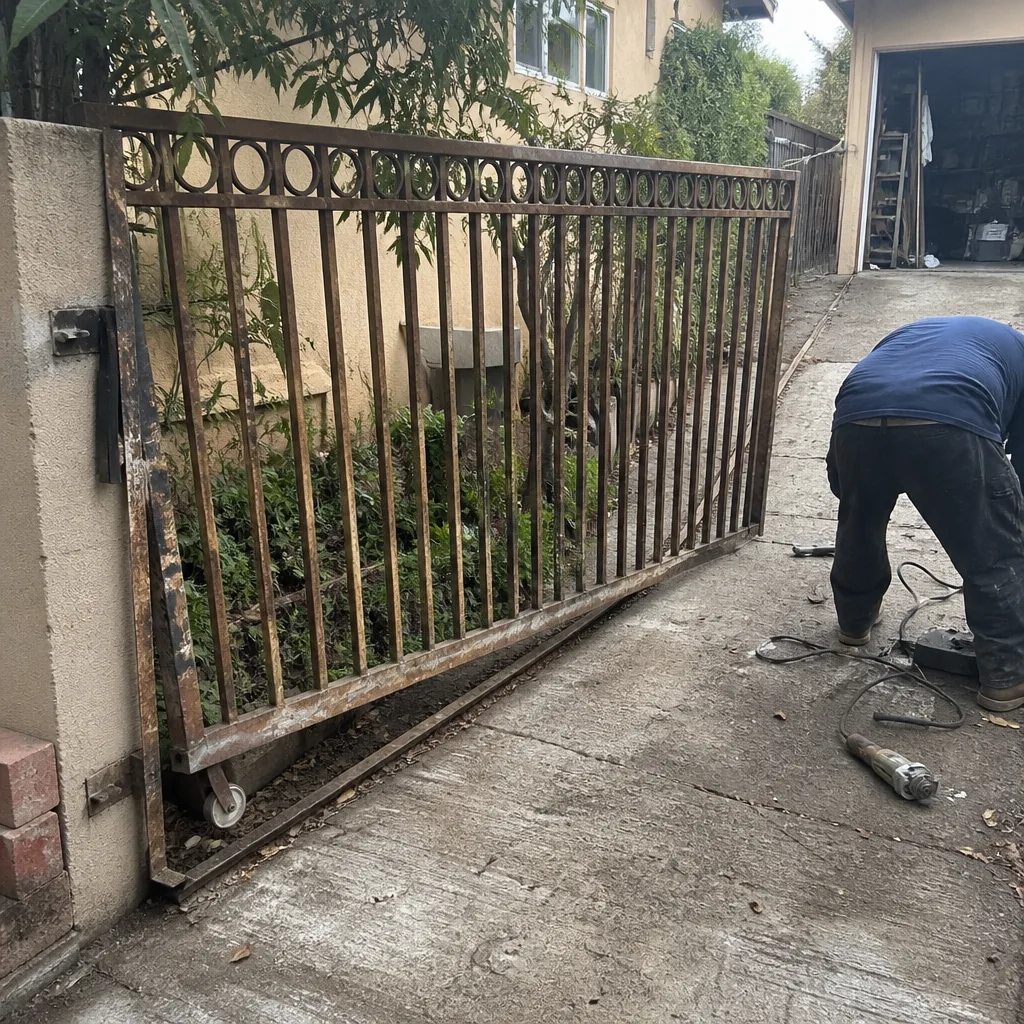 Before
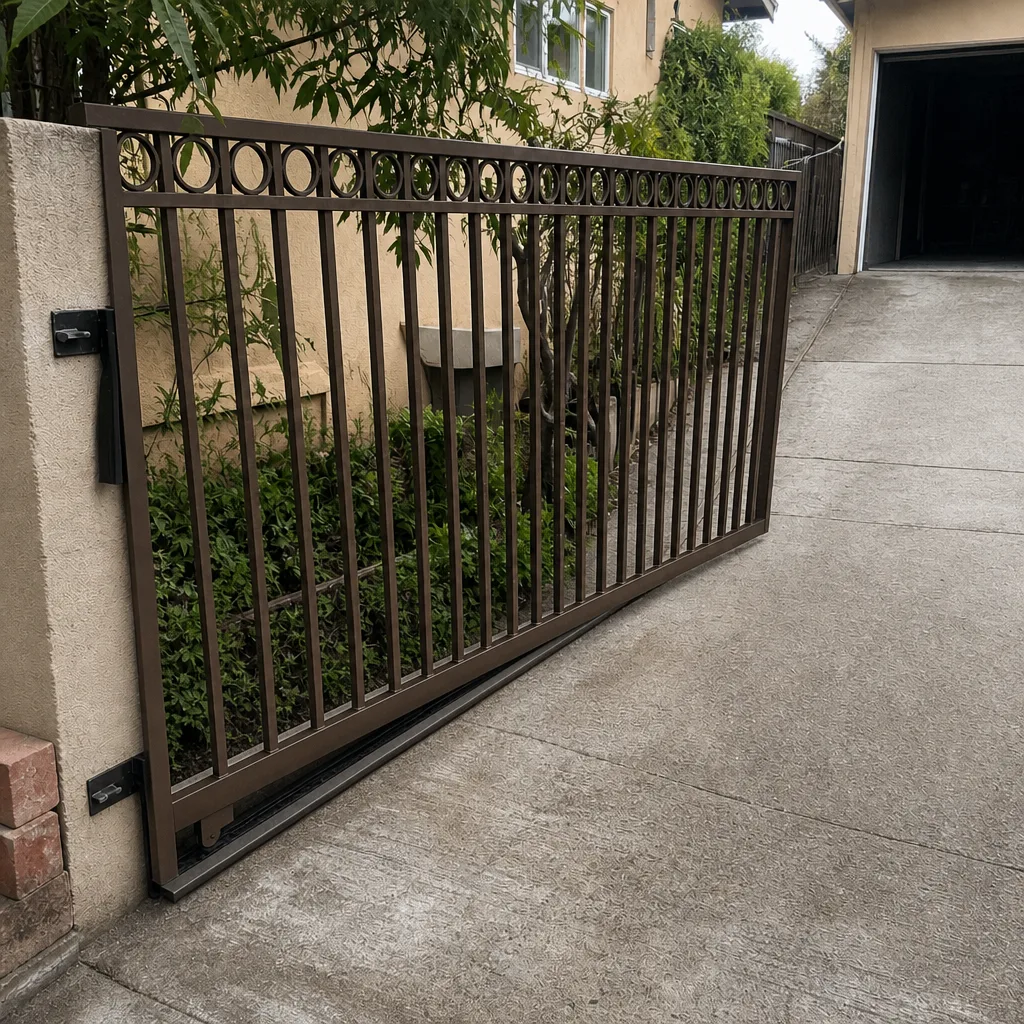 After
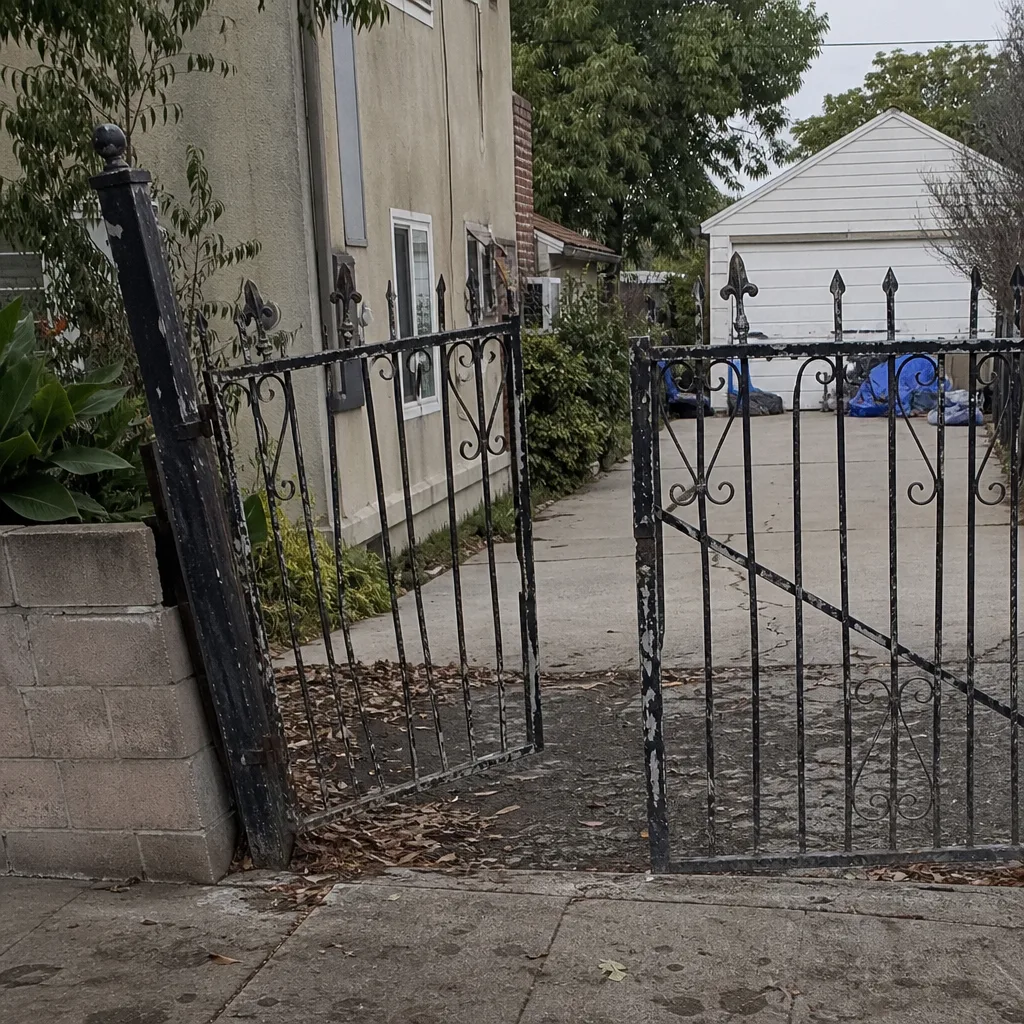 Before
 After
 Before
 After