
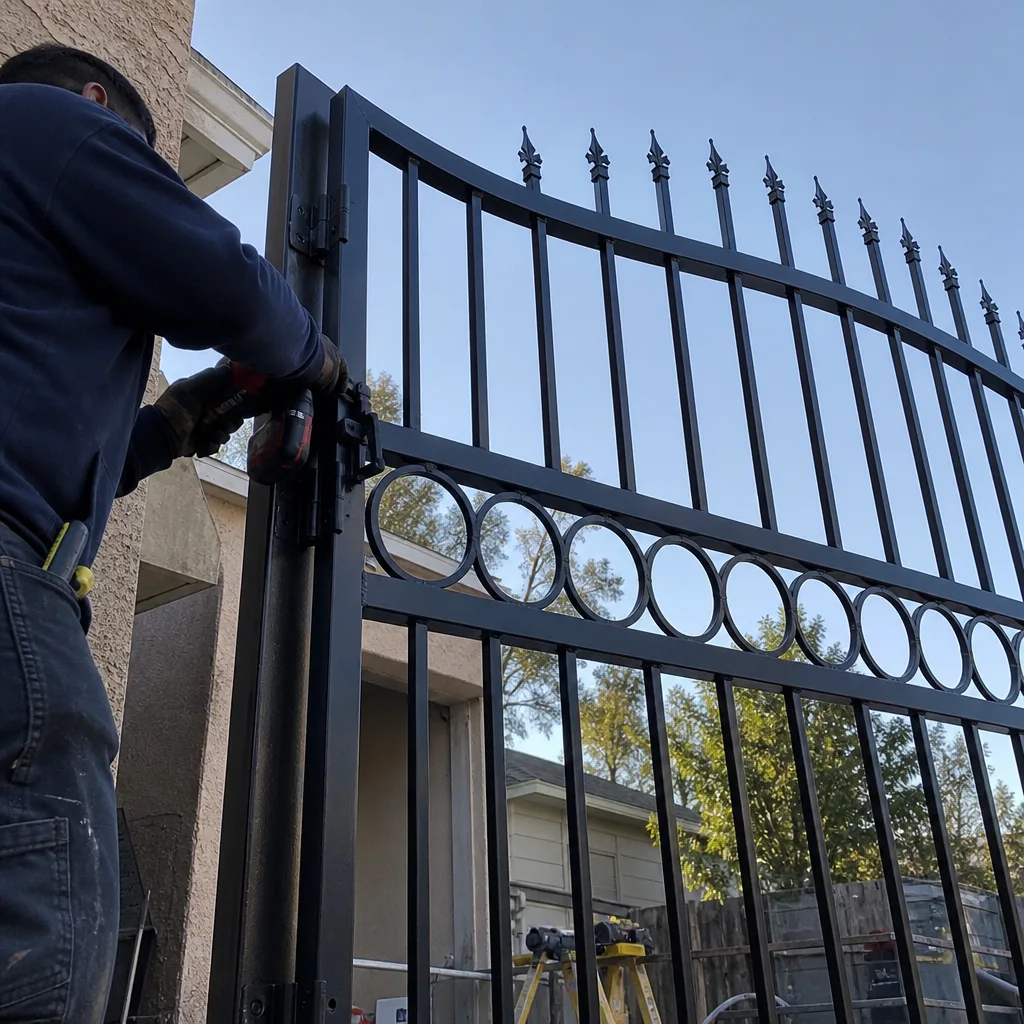
Last updated November 5, 2026
 Wrought iron
 Wood & steel frame
 Farm & ranch
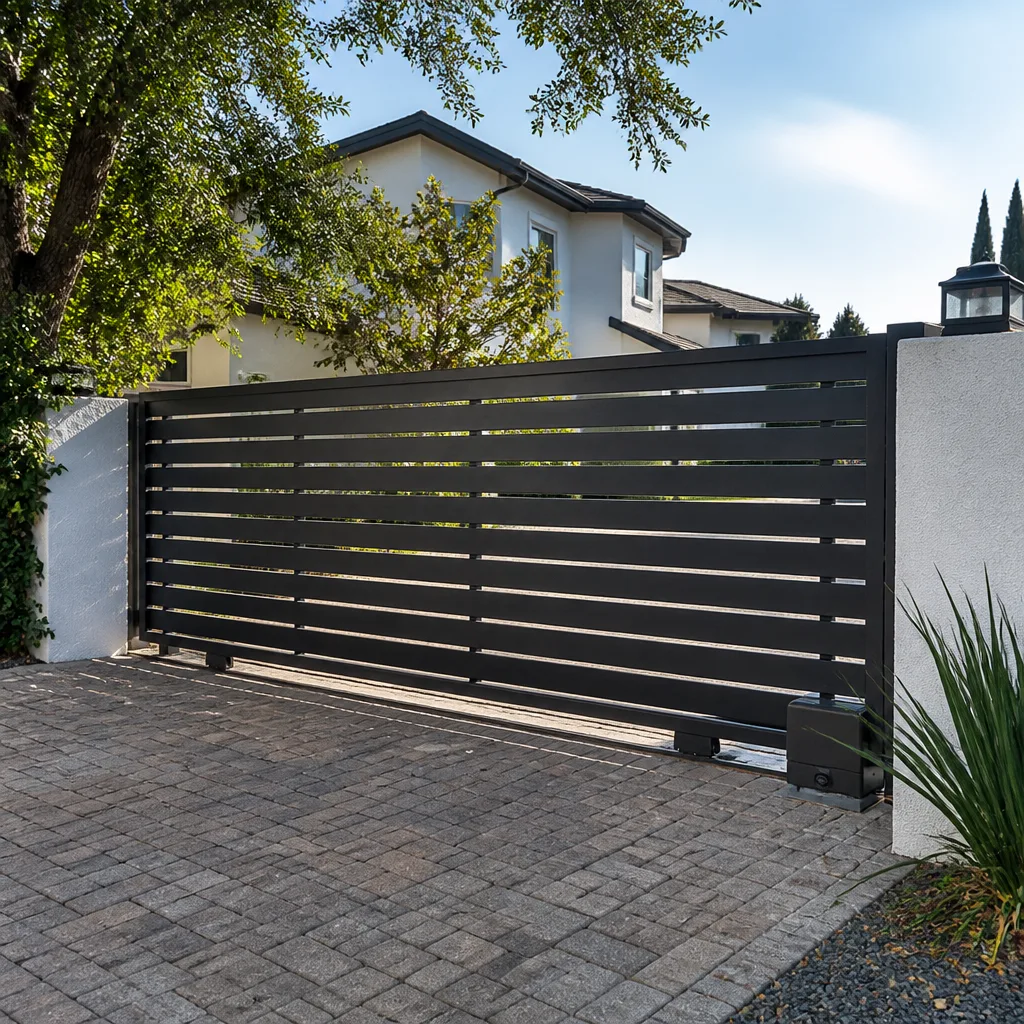 Sliding driveway gates
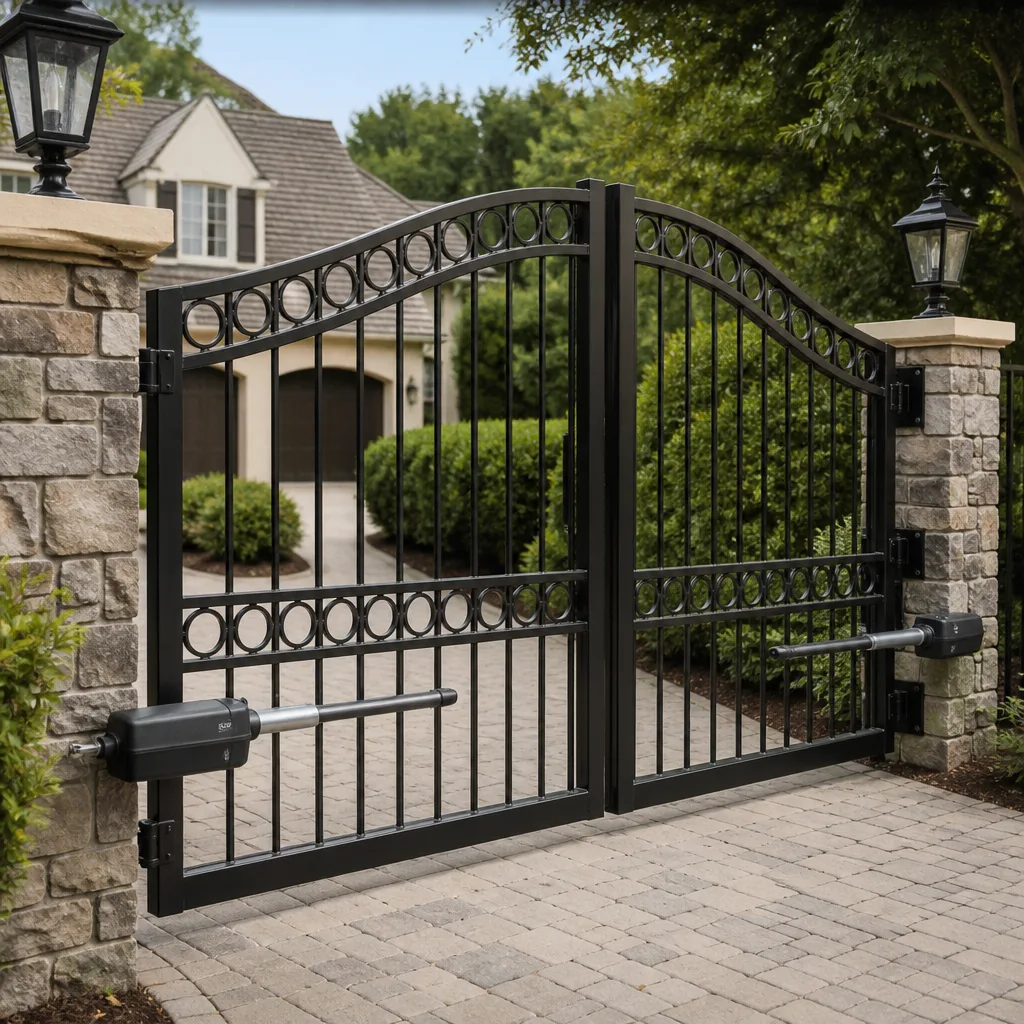 LiftMaster operators
Free on-site gate assessment - hinges, posts, and your LiftMaster or Nice gate operator checked before anything is quoted
The assessment is free and the quote is the invoice.
Get your free estimateThe Complete Guide to Gate Repair in Atwater Village
The gate that stops mid-swing isn’t broken. Its limit switch is miscalibrated, and the repair takes eight minutes once you know where to look. Most Atwater Village homeowners pay for a full service call because nobody told them this. This guide maps every common gate failure to its actual root cause, organized by gate type and operator brand. You’ll learn which components fail first, which symptoms point to which part, and when a repair is worth doing versus when the gate frame itself is the problem nobody mentions.
Styles & brands we work with
- Wrought iron
- Wood & steel frame
- Farm & ranch
- Sliding driveway gates
- LiftMaster operators
Quick Answer
Gate repair in Atwater Village typically means diagnosing one of five overlooked components: limit switches, loop detectors, capacitor banks, battery backups, or hinge alignment. Most repairs take under two hours once the actual fault is identified. Call (877) 752-2593 for a free estimate, and the price is quoted and agreed before any work starts.
Table of Contents
- The Failure Mode Matrix: Symptom to Component
- Voltage Fluctuations and Phantom Faults Near the LA River Corridor
- Brand-Specific Quirks: What Fails First on Nine Major Operators
- Frame Problems vs. Operator Problems: The Diagnosis Nobody Mentions
- Realistic Repair Timelines: Same-Day Fixes vs. Parts-Order Scenarios
- Electric Gate Repair vs. Mechanical Gate Repair: What’s Actually Different
- Maintenance Checks That Prevent Most Atwater Village Gate Failures
- Common Mistakes to Avoid
- When to Call a Professional
- Frequently Asked Questions
- The Bottom Line
The Failure Mode Matrix: Symptom to Component
When a gate misbehaves, the symptom tells you more than the gate itself does. Here’s how symptoms map to the actual component responsible. We see the same patterns across Atwater Village driveways, from the hillside streets off Glendale Boulevard to the flat lots near the LA River channel.
Won’t Open at All
No response from the remote or keypad usually points to one of three things: a dead battery in the operator, a tripped breaker, or a failed control board. Start with the breaker. Then check the battery backup if the gate has one. The control board is the expensive possibility, and it’s the one you don’t want to guess at.
Starts Moving, Stops Mid-Swing
This is the classic limit switch symptom. The operator thinks the gate has reached its open or closed position when it hasn’t. The fix involves recalibrating the limits, which takes minutes on most modern operators but requires knowing the specific programming sequence for your brand.
Jerky or Hesitant Movement
Jerky movement on a sliding gate usually means worn rollers or debris in the track. On a swing gate, it’s more often hinge wear or a failing capacitor. Capacitors weaken gradually, so the gate loses torque over months until it barely moves at all.
Remote Works Intermittently
Intermittent remote response is rarely the remote itself. It’s usually signal interference, a weak receiver antenna, or low voltage at the operator. In Atwater Village, older homes with original wiring sometimes deliver inconsistent voltage to gate operators, especially during peak usage hours.
Gate Won’t Close When a Car Approaches
This is the loop detector. Vehicle loop detectors are buried wire loops that sense a car’s metal mass. When the loop fails or the detector sensitivity is wrong, the gate doesn’t know the car is there. Repairs involve either re-tuning the detector or replacing the loop wire.
Voltage Fluctuations and Phantom Faults Near the LA River Corridor
Atwater Village sits in a pocket of Los Angeles where the electrical grid carries a heavier load than newer neighborhoods. Homes built mid-century, which describes much of the housing stock here, were wired for a different era of power demand. Add the summer AC load and the commercial draw along Glendale Boulevard, and voltage sags become common.
What does this have to do with gate repair? Gate operators are sensitive to low voltage. When voltage drops below the operator’s threshold, the control board can behave erratically. The gate might open half way and stop. It might not respond to the remote at all. It might work fine in the morning and fail in the afternoon.
We’ve seen operators replaced unnecessarily because a technician assumed motor failure when the actual culprit was inadequate voltage at the outlet. The fix is sometimes as simple as a dedicated circuit, a voltage booster, or relocated wiring. Other times, the operator’s own transformer is failing and needs replacement. The key is checking voltage at the operator before condemning the motor.
- Test the outlet first. A multimeter reading below 110 volts under load indicates a supply problem, not a motor problem.
- Check wire gauge. Long runs from the house to the gate with undersized wire cause voltage drop. Atwater Village lots vary, but a 100-foot run with 16-gauge wire will lose measurable voltage.
- Look for shared circuits. If the gate shares a circuit with landscape lighting or a pool pump, the combined draw can starve the operator.
- Inspect the operator’s transformer. Transformer failure produces symptoms identical to motor failure, and it’s a much cheaper fix.
Brand-Specific Quirks: What Fails First on Nine Major Operators
We work on your brand. That matters because each manufacturer has its own failure patterns. Knowing what fails first on a Viking operator versus a DoorKing unit changes the entire repair approach. Here’s what we’ve learned across the brands we service in Atwater Village.
LiftMaster
LiftMaster dominates the residential market, and their swing gate operators are generally reliable. The weak points are usually the limit switches and the battery backup on models that include one. Capacitor failure is also common after several years of daily cycles. The good news: LiftMaster parts are widely available, and most repairs are same-day.
FAAC
FAAC operators are hydraulic-drive systems on commercial-grade installations. They’re built for heavy use, but the hydraulic fluid degrades over time, and the hoses can develop leaks. When a FAAC gate moves slowly or fails to hold position, the hydraulic system is usually involved. These repairs take longer and typically require a parts order.
BFT
BFT makes reliable operators with a known quirk: their control boards are sensitive to power surges. In an area like Atwater Village where voltage fluctuations happen, BFT boards fail more often than the motors do. Surge protection on the circuit is a worthwhile investment for BFT owners.
Linear
Linear operators are common on apartment buildings and small commercial properties. The most frequent failure point is the remote receiver board, which tends to fail before the motor. When a Linear gate stops responding to remotes but works fine from the keypad, the receiver is usually the culprit.
Viking
Viking operators are heavy-duty units built for commercial traffic. They’re rugged, but they demand proper maintenance. The most common failure on Viking gates in Atwater Village is the loop detector system, especially on high-traffic properties where the loop wire takes constant abuse from vehicle weight. Viking repairs also expose a key truth: the operator usually outlasts the peripheral components.
Ghost Controls
Ghost Controls focuses on residential automation kits, often installed by homeowners. The most frequent issue we see is improper installation, not component failure. When a Ghost Controls gate fails, it’s usually a limit setting that was never set correctly from day one. Recalibration solves most problems.
DoorKing
DoorKing is the workhorse of the light commercial market. Their slide gate operators are common on parking lots and industrial properties. The weak point is the chain or belt drive system, which stretches over time and needs tensioning. DoorKing also uses proprietary programming sequences, so if you’re not familiar with the brand, even simple limit adjustments become frustrating.
Elite
Elite operators are less common but still present in Atwater Village, typically on older residential installations. Parts availability is the main issue. Elite operators that fail often wait longer for replacement components, and sometimes a retrofit to a more supported brand is the smarter long-term call.
Mighty Mule
Mighty Mule is the budget-friendly DIY brand, and it shows in the failure patterns. The control boards fail more often than any other component, and the plastic gears inside the actuators strip under heavy use. Mighty Mule gates are cheap to repair in the short term but tend to need repeated service.
Frame Problems vs. Operator Problems: The Diagnosis Nobody Mentions
Here’s the uncomfortable truth most technicians won’t tell you: sometimes the operator isn’t the problem. The gate frame itself is. When a gate is misaligned, sagging, or binding, no operator will move it smoothly. You can replace the motor and still have a gate that fights every cycle.
In Atwater Village, the most common frame issues are hinge wear on swing gates and track misalignment on slide gates. Swing gate hinges carry enormous weight, and when they wear, the gate drops a few millimeters. That changes the geometry enough that the operator has to work harder. Slide gate tracks collect debris, and wheels wear unevenly, causing the gate to bind at certain points in its travel.
Here’s how to tell the difference:
- The gate is hard to move by hand. Put the operator in manual mode and try to push the gate. If it’s stiff, the problem is mechanical, not electrical.
- The gate scrapes or drags. Visible contact between the gate and the ground, posts, or track indicates a frame alignment issue.
- The operator works but struggles. If the motor runs but the gate moves slowly or stalls, the frame is likely binding.
- One corner sits lower than the other. On swing gates, a sagging free end means hinge wear.
A repair that addresses only the operator while ignoring frame alignment is a band-aid. It’ll fail again, often within months. A proper diagnosis looks at the whole system: frame, hinges, track, operator, and electrical supply. That’s the difference between a one-hour fix and a three-visit headache.
Realistic Repair Timelines: Same-Day Fixes vs. Parts-Order Scenarios
Some gate repairs in Atwater Village are done the same day. Others require waiting on parts. Knowing which category your repair falls into helps you plan.
Same-Day Fixes
- Limit switch recalibration. Ten minutes to an hour, depending on the brand.
- Remote programming. Usually 15 to 30 minutes.
- Hinge tightening or minor alignment. Thirty minutes to two hours.
- Breaker reset and electrical diagnosis. Under an hour for simple fixes.
- Loop detector sensitivity adjustment. Thirty minutes to an hour.
Parts-Order Scenarios
- Control board replacement. Often requires ordering a board for your specific operator model. One to five days depending on availability.
- Motor replacement. Some motors are stocked locally; others come from the manufacturer. Two to seven days.
- Custom gate fabrication. When the frame itself needs repair, the timeline depends on the fabricator. One to three weeks.
- Specialty brand parts. Elite and some Viking components have longer lead times than LiftMaster or DoorKing parts.
While waiting on parts, most gates can be operated manually. We’ll show you how to disengage the operator so you can still get your car in and out. The gate won’t be automated until the repair is complete, but you won’t be locked out of your own driveway.
Electric Gate Repair vs. Mechanical Gate Repair: What’s Actually Different
Electric gate repair is a different discipline from mechanical gate repair. Mechanical work covers the physical components: hinges, wheels, tracks, frames. Electric work covers everything that makes the gate move on its own: motors, control boards, loop detectors, remote receivers, keypads, battery backups.
The difference matters because not every gate company handles both. Many general fence and gate contractors handle mechanical work but shy away from electrical diagnostics. Wiring, control boards, and safety sensors require a different skill set. One wrong connection can damage a control board that costs several hundred dollars to replace.
Safety is a real concern with electric gate systems. Operators contain capacitors that store electrical charge even after power is disconnected. A technician who doesn’t discharge capacitors properly can get a serious shock. Heavy panels can crush fingers or worse if a gate moves unexpectedly during repair. This is work for someone who understands the electrical side and respects the physical danger of moving gates.
Our approach is diagnostic first. We test the incoming voltage, verify the control board is functioning, check the safety edges and photo eyes, then move to the mechanical side. That sequence prevents replacing a motor when the actual problem was a bad capacitor or a miscalibrated limit switch.
Maintenance Checks That Prevent Most Atwater Village Gate Failures
Most gate failures in Atwater Village are preventable with a few simple checks. None of these require a professional, and they take less than ten minutes total.
- Keep the track clear. On slide gates, debris accumulation is the leading cause of wheel wear. Sweep the track weekly.
- Lubricate hinges and rollers. Use a dry lubricant that won’t attract dust. Atwater Village’s dry climate means dust is always a factor, and wet lubricants become grinding paste.
- Check the gate by hand. Once a month, disengage the operator and push the gate through its travel. It should move smoothly. Resistance means something needs attention.
- Inspect safety sensors. Photo eyes and safety edges get dirty and misaligned. A quick wipe and alignment check prevents false triggers and unexpected reversals.
- Watch for voltage problems. If the gate works intermittently, especially during hot afternoons when AC loads are high, have the circuit checked before the operator fails completely.
These checks don’t replace professional maintenance, but they catch problems before they become breakdowns. The most expensive gate repairs we see are the ones that were ignored for too long: a hinge that wore through completely because nobody noticed the gate sagging, or a control board that fried because a failing capacitor went unreplaced.
Common Mistakes to Avoid
- Replacing the remote first. When a gate stops responding to remotes, the remote is rarely the problem. The receiver board, antenna, or power supply is usually at fault. Buying a new remote and finding out it doesn’t work either is a common Atwater Village frustration.
- Ignoring gradual changes. Gates that get slower over months are telling you something. By the time the gate stops moving entirely, a minor repair has become a major one.
- Lubricating with the wrong product. WD-40 and other penetrating oils attract dust and cause more harm than good on gate hardware in a dusty climate like Atwater Village.
- Adjusting limits without knowing the brand. Every operator has its own programming sequence. Guessing can throw the limits so far off that the gate crashes into the post.
- Skipping the safety check. Safety edges and photo eyes are required for a reason. A gate that closes on a child or pet is a tragedy that proper maintenance prevents.
- Replacing the operator when the frame is the problem. A new motor won’t fix a sagging gate. Address the mechanical issue first, then the electrical one.
When to Call a Professional
Some repairs are safe to diagnose on your own. Others need a trained technician. Call a professional if the gate makes grinding noises, if the operator sparks or smells like burning, if the gate moves on its own without input, or if the electrical supply shows signs of damage. Any work involving the control board’s wiring or the operator’s capacitors is not a DIY job.
Gate Repair Atwater Village offers free estimates in Atwater Village. Call (877) 752-2593 and describe the symptom. We’ll tell you what we think is happening and what the likely repair involves before we ever set up an appointment.
Frequently Asked Questions
Gate repair costs in Atwater Village vary by the component involved. Limit switch recalibration and remote programming are typically on the lower end, while control board or motor replacement runs higher. The estimate is free, and the price is quoted and agreed before any work starts. Call (877) 752-2593 for an exact quote.
Most gate repairs in Atwater Village are same-day fixes. Limit switches, remote programming, hinge adjustments, and loop detector tuning are all done in a single visit. Parts-order scenarios like control board replacement take longer, but we’ll get your gate operational in manual mode while you wait. Call (877) 752-2593 and we’ll tell you which category your repair falls into.
We work on nine major gate and operator brands: LiftMaster, FAAC, BFT, Linear, Viking, Ghost Controls, DoorKing, Elite, and Mighty Mule. That covers most residential and light commercial installations in Atwater Village. Call (877) 752-2593 with your brand and symptom, and we’ll tell you what we think is going on.
Intermittent gate operation usually points to voltage fluctuation, a failing capacitor, or a loose connection. In Atwater Village, voltage sags during peak afternoon usage are a common cause, especially on older home circuits. We’ll test the circuit before replacing anything. Call (877) 752-2593 for a diagnosis.
Electric gate repair often costs more than mechanical work because the components are more expensive. A control board costs more than a hinge. But diagnosing correctly the first time keeps the total cost down. Replacing parts on a guess is what drives up repair bills. Call (877) 752-2593 and we’ll tell you what’s actually wrong before quoting a price.
Every automatic gate has a manual release that lets you operate it by hand. We’ll walk you through it over the phone if you need help. Then we’ll schedule the repair. After the repair is done, the operator re-engages and automatic operation resumes. Call (877) 752-2593. We answer 24/7. Fast dispatch from 7am to 7pm, Sunday through Friday.
The Bottom Line
Most gate failures in Atwater Village come down to five overlooked components: limit switches, loop detectors, capacitor banks, battery backups, and hinge alignment. Knowing which one to check first turns a confusing breakdown into a straightforward repair. Voltage fluctuations near the LA River corridor create phantom faults that mimic motor failure, and brand-specific quirks determine what fails first on your particular operator. The right diagnosis matters more than the cheapest quote. Call (877) 752-2593 for a free estimate. We answer 24/7. Fast dispatch from 7am to 7pm, Sunday through Friday.
Written by the team at Gate Repair Atwater Village, serving Atwater Village since 2012.
See the difference
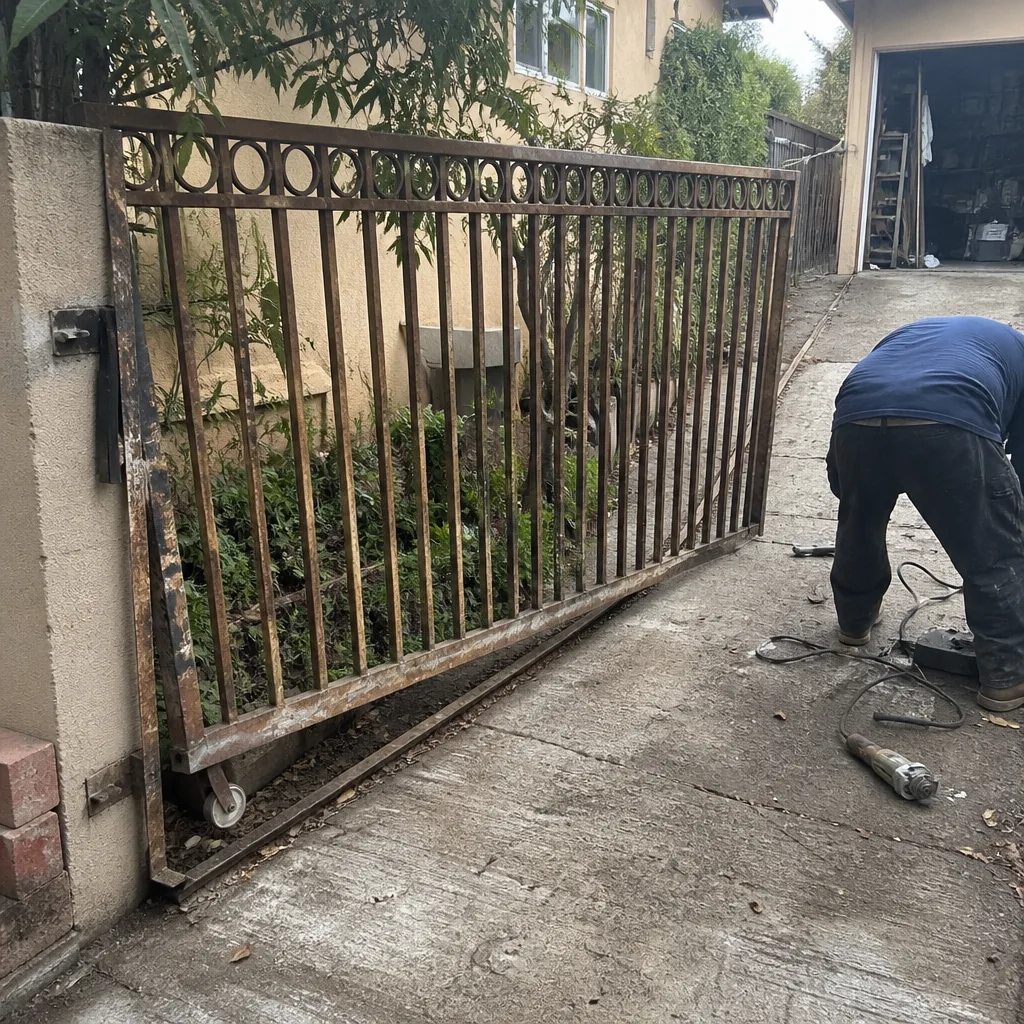 Before
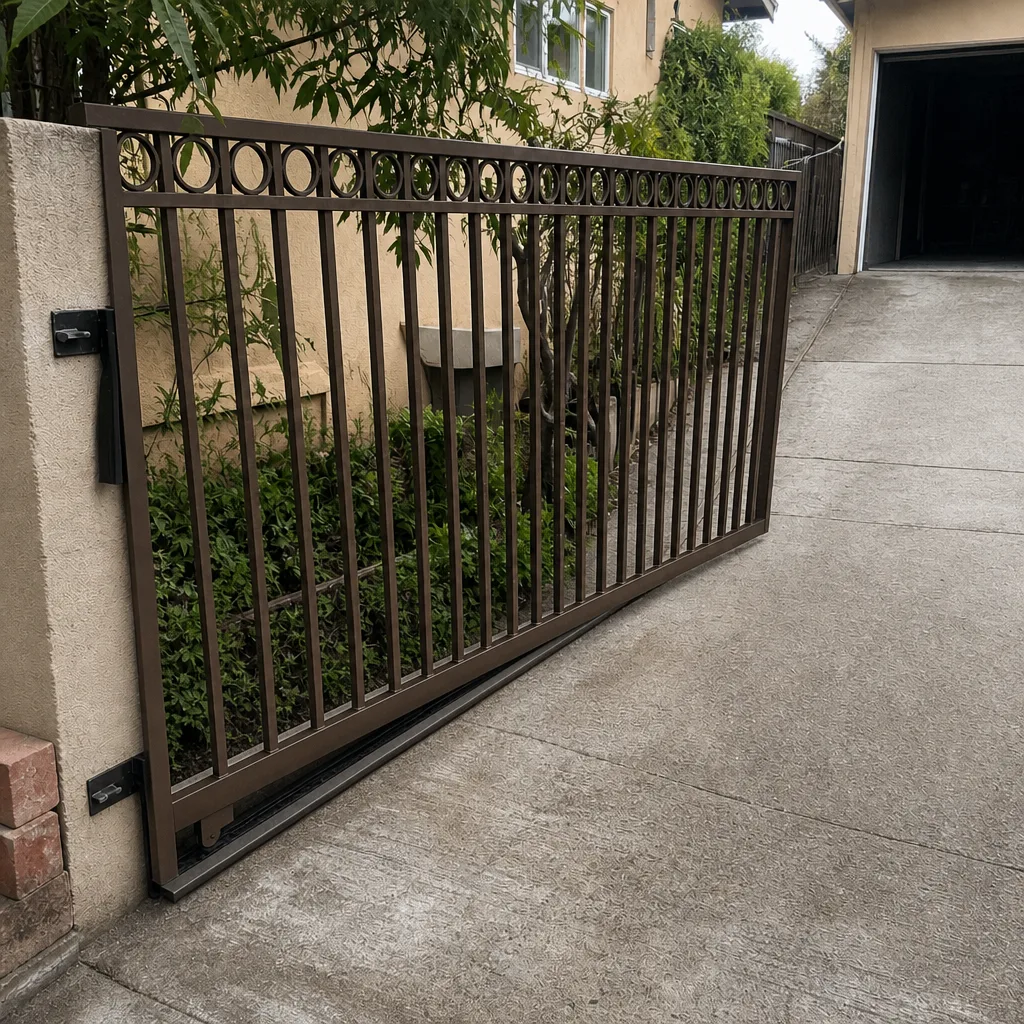 After
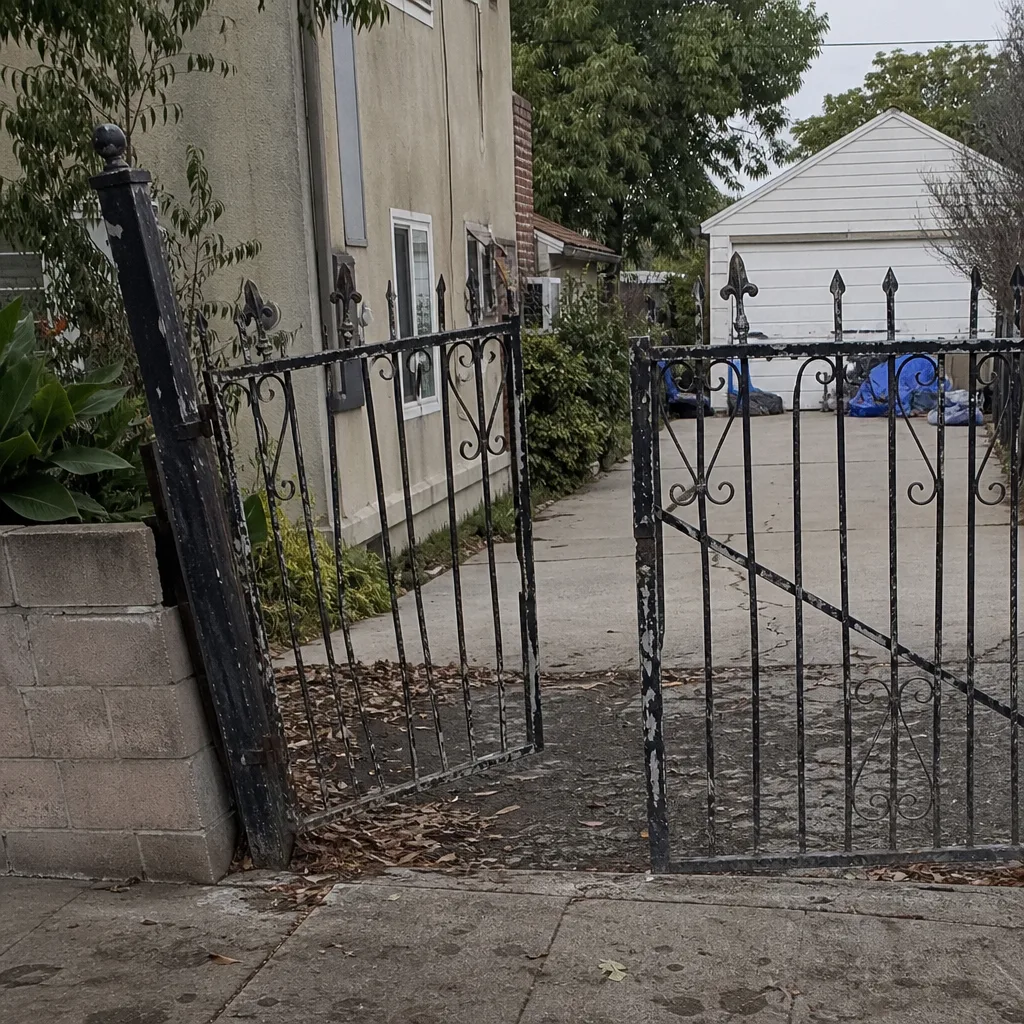 Before
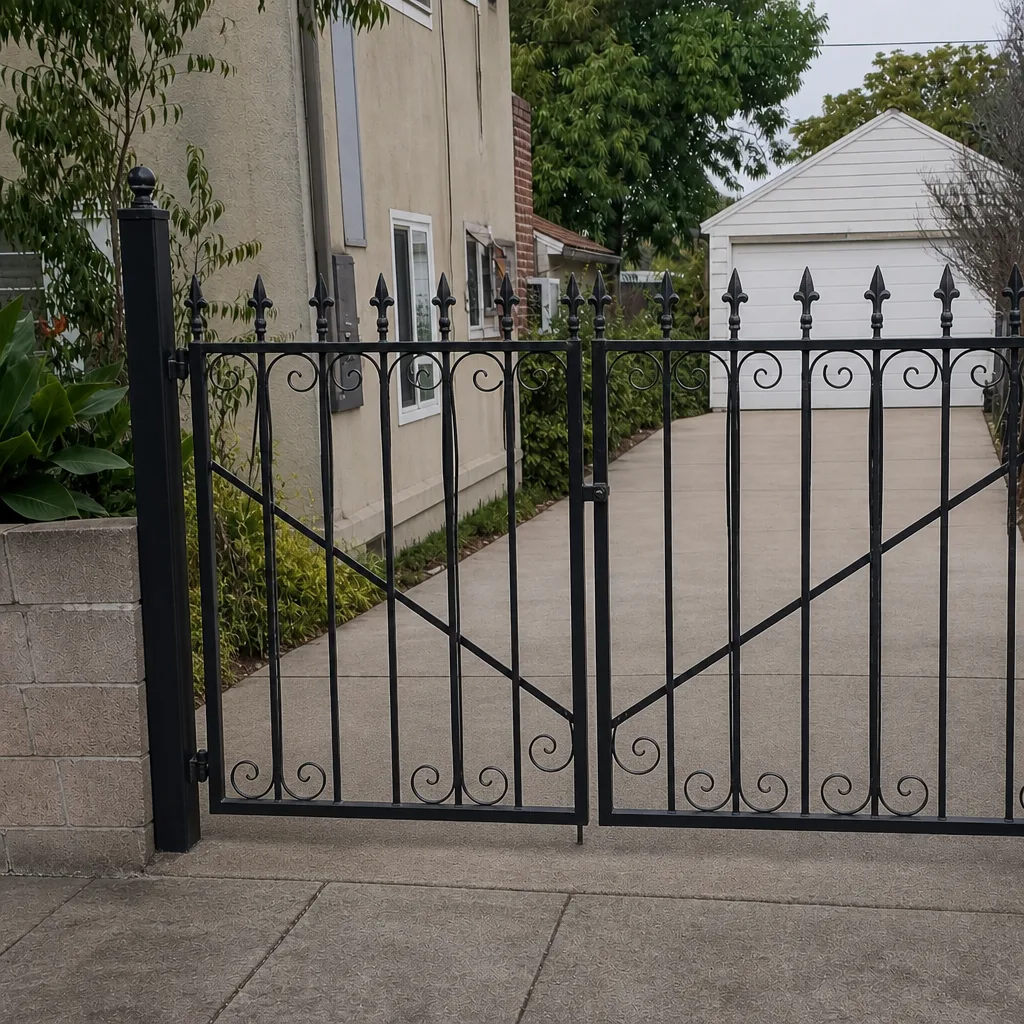 After
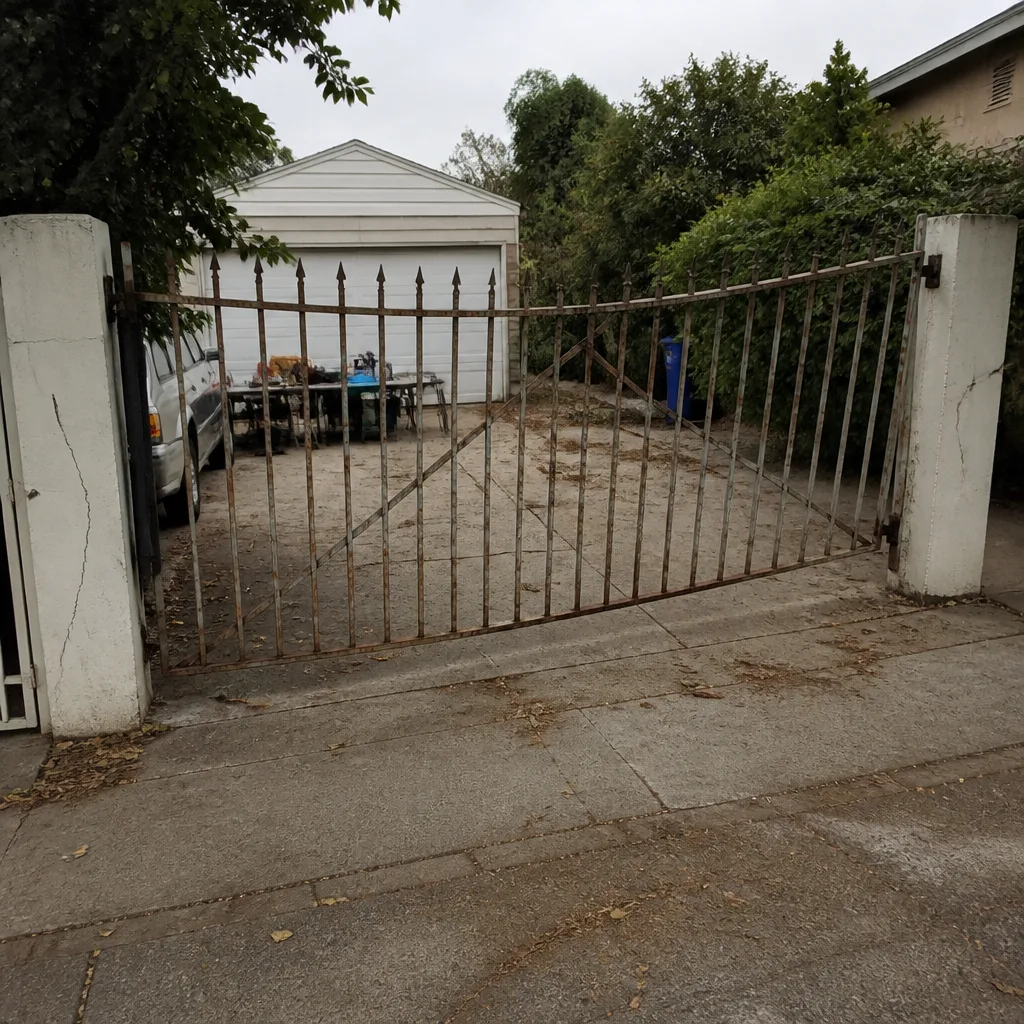 Before
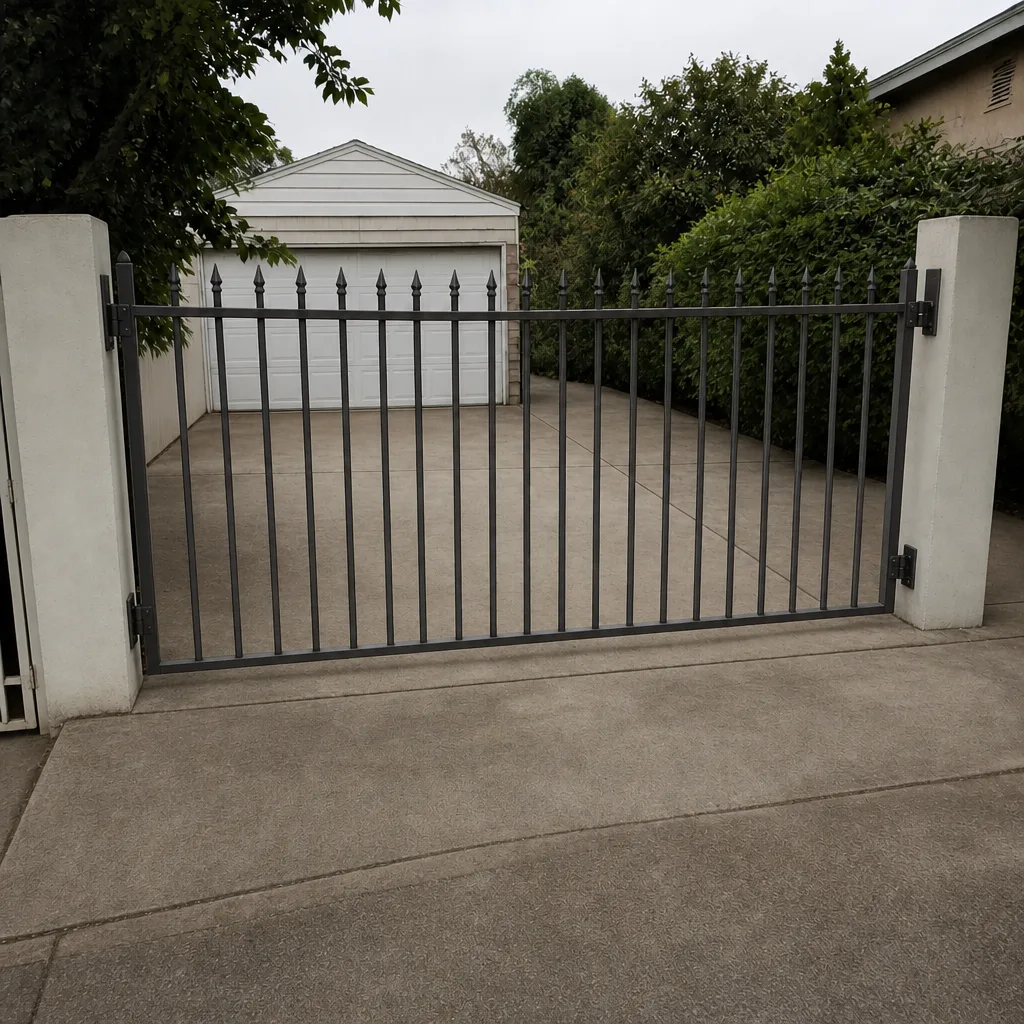 After