
Last updated November 5, 2026
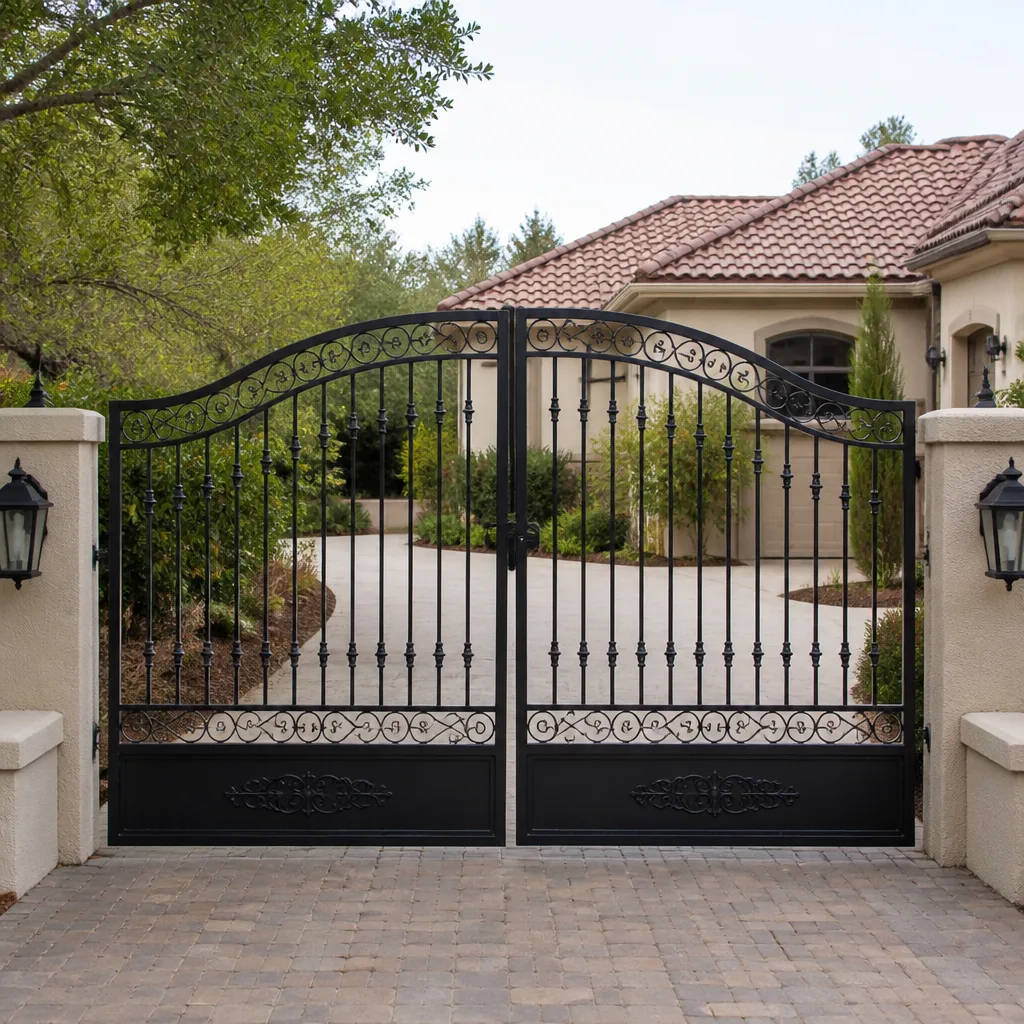 Wrought iron
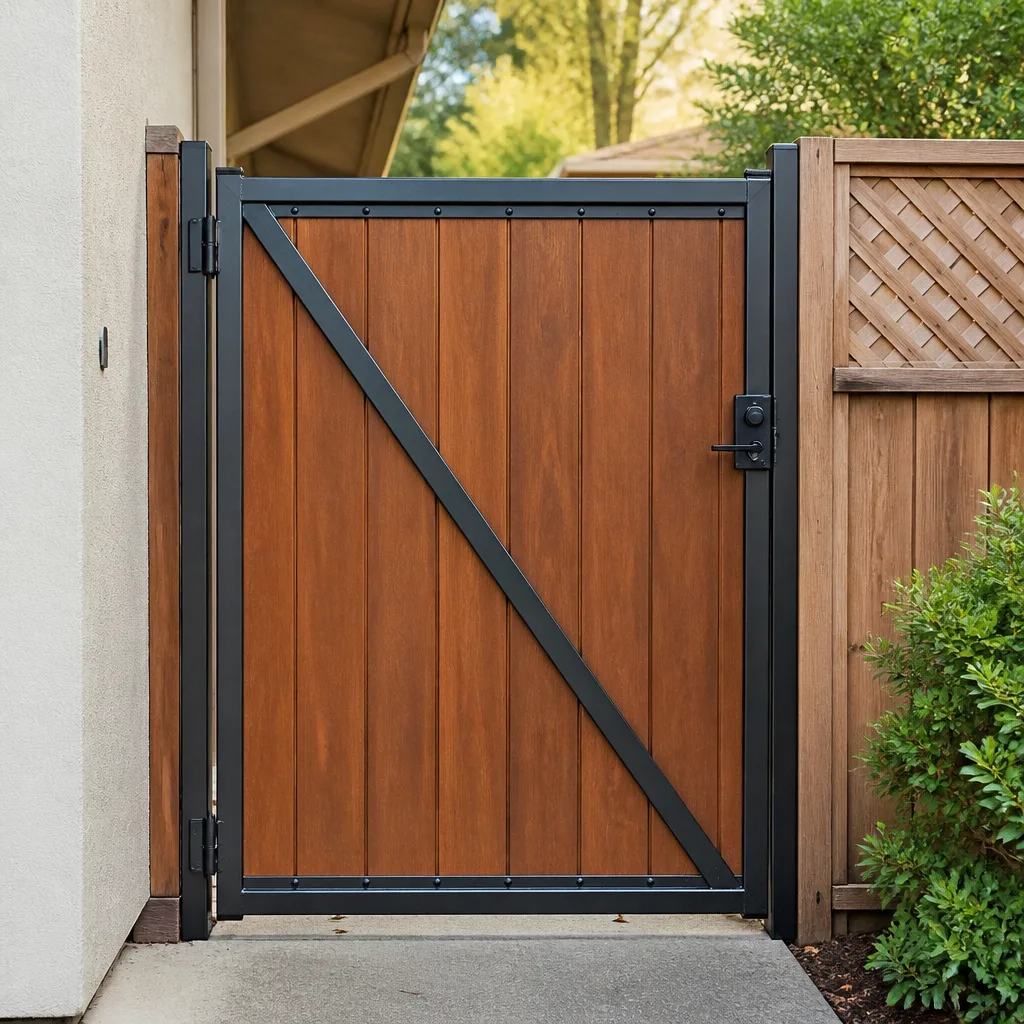 Wood & steel frame
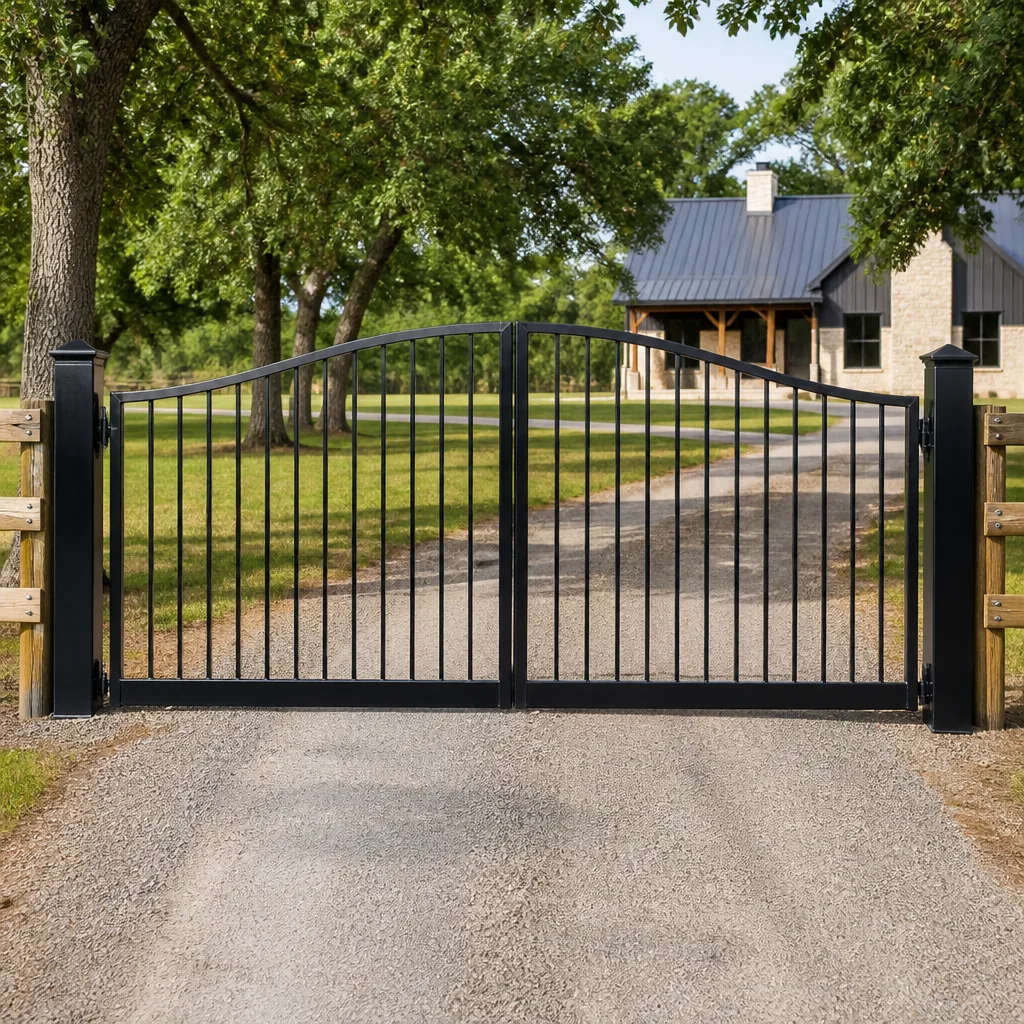 Farm & ranch
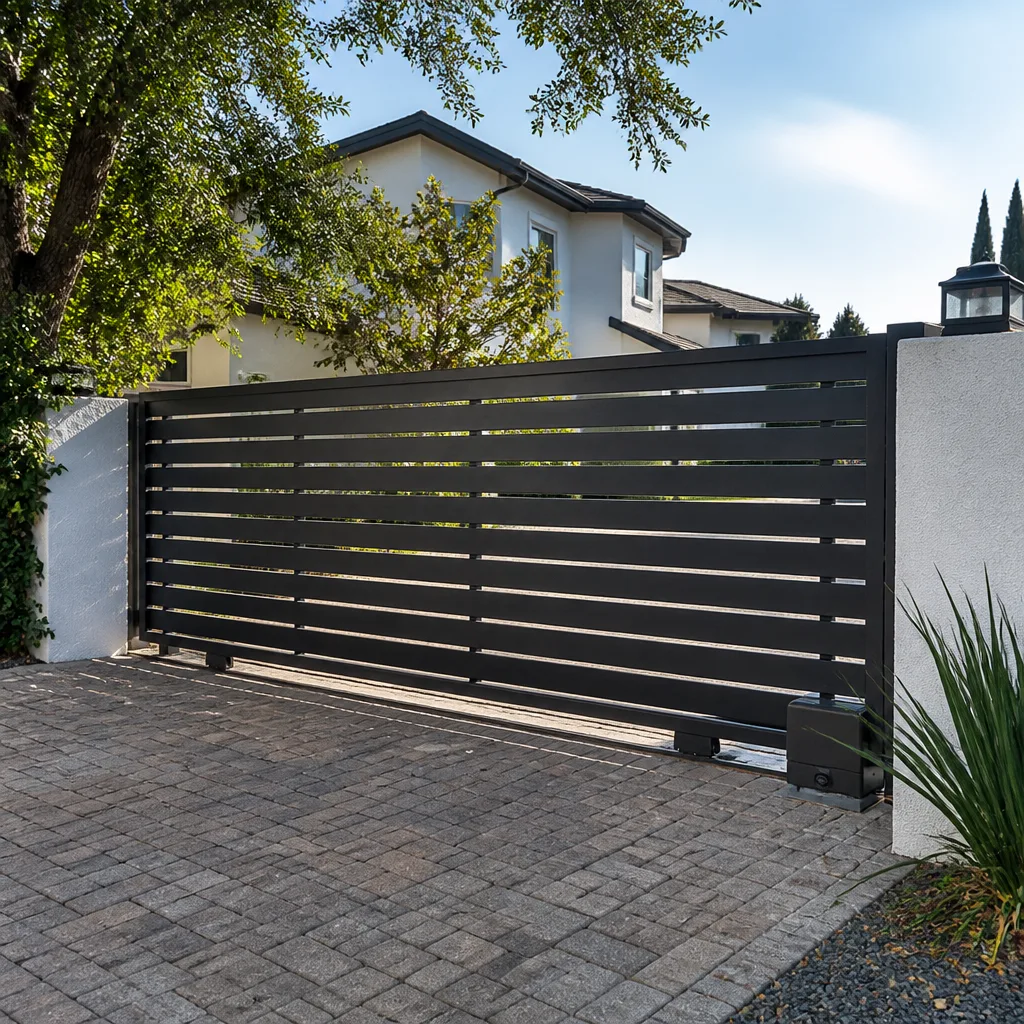 Sliding driveway gates
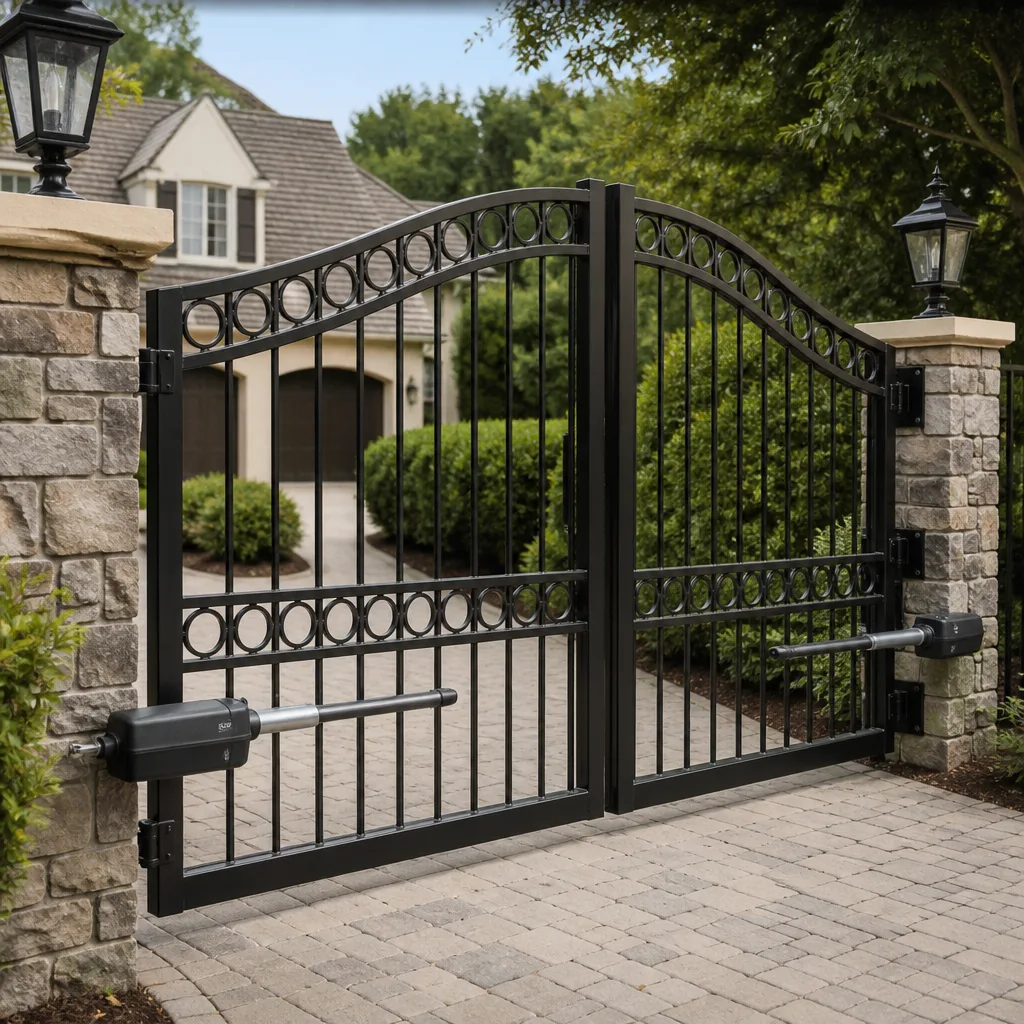 LiftMaster operators
Free on-site gate assessment - hinges, posts, and your LiftMaster or Nice gate operator checked before anything is quoted
The assessment is free and the quote is the invoice.
Get your free estimateChoosing the Right Gate Repair Brand: A Buyer’s Guide for Atwater Village
Most Atwater Village homeowners don’t actually choose their gate operator brand. They get whatever the installer happens to stock, and that’s a problem. The operator that’s right for a 300-pound swing gate on Glendale Boulevard is wrong for a 700-pound slide gate off Fletcher Drive, and the brand that made sense in Phoenix or Seattle might be a poor match for our specific conditions here. Parts availability five years from now matters more than the feature list printed on the box today. Three brands commonly sold in the LA market have already gone through significant parts discontinuation cycles that left homeowners with functionally unrepairable operators under 10 years old. This guide gives you the evaluation framework we use when a customer asks us which brand to install.
Quick Answer
The best gate operator brand for an Atwater Village home depends on three things: your gate’s weight and travel direction, how many cycles it runs daily, and which brands local technicians actually stock parts for. For most residential swing gates in Atwater Village, LiftMaster and FAAC deliver the strongest combination of parts availability, technician familiarity, and long-term serviceability. For budget-conscious installations where the gate is lightweight and usage is moderate, Mighty Mule works, but understand its cycle rating is lower than commercial-grade alternatives.
Styles & brands we work with
- Wrought iron
- Wood & steel frame
- Farm & ranch
- Sliding driveway gates
- LiftMaster operators
Table of Contents
- Parts Availability: The Five-Year Test
- Matching Operator Type to Gate Weight and Travel
- The LA Climate Factor: Dust, UV, and Heat
- Cycle Ratings: What Residential Usage Actually Demands
- Access Control Integration: Intercoms, Smart Homes, and Call Boxes
- Total Cost of Ownership: The 10-Year Calculation
- Warranty Terms Across Major Brands
- Common Mistakes to Avoid
Parts Availability: The Five-Year Test
When we evaluate a gate operator brand, the first question we ask is not “what features does it have” but “what happens when a circuit board fails in year six.” In Atwater Village, where gates run daily and dust gets into everything, circuit boards and limit switches fail eventually no matter what brand you buy. The difference is whether you can get the replacement part.
LiftMaster and FAAC have the most reliable parts pipelines in the residential and light commercial LA market. Their distribution networks are deep, and independent technicians like us can source boards, arms, and limit switches without waiting on a factory authorization process. That means a failed FAAC control board gets replaced in days, not weeks.
BFT sits in a middle tier. The hardware is solid, especially for slide gates, but some of their older control boards saw discontinuation cycles that forced complete operator swaps rather than board-level repairs. When the operator is only seven or eight years old, that’s a frustrating expense.
Mighty Mule is the most common budget brand we see on residential swing gates in Atwater Village, and the parts story is mixed. Their entry-level operators are designed to be replaced rather than repaired. Boards are often available, but the economical move on a five-year-old Mighty Mule is sometimes a new operator rather than an expensive board replacement. That’s not a flaw in the product, it’s a function of the price point. You just need to know that going in.
Our five-year parts availability ranking
- LiftMaster – broadest parts network in residential and light commercial, boards and mechanical parts readily available through multiple distribution channels
- FAAC – excellent parts pipeline for swing and slide operators, strong dealer support without locking out independent technicians
- BFT – good current-generation parts availability, older boards discontinued in some cases
- Linear and Viking – solid for slide gates and commercial applications, residential parts slower to source
- Ghost Controls and Mighty Mule – replacement-oriented economics, parts exist but replacement often competes on cost
- DoorKing and Elite – reliable parts but fewer local distributors doing residential volume in our market
The practical takeaway: if you install a brand with shallow parts availability, you are betting that the operator never fails. In our experience working on gates across Atwater Village, every operator fails eventually. The question is what happens when it does.
Matching Operator Type to Gate Weight and Travel
Brand matters less than operator type, and operator type is dictated by your gate’s physical characteristics. The most common brand mismatch we see in Atwater Village is an operator that is technically rated for the gate’s weight but struggling anyway because the gate’s geometry works against it. A 400-pound swing gate with a 12-foot leaf puts far more strain on an operator than a 400-pound gate with a 6-foot leaf, because the moment arm is twice as long.
Swing gates: the residential workhorse
Most Atwater Village homes with gated driveways have swing gates, either a single leaf or a pair. For a single swing gate leaf up to about 500 pounds and 16 feet, a residential-grade swing operator from LiftMaster or FAAC is in its comfort zone. Above that weight, or for gates that face the street and get constant wind buffeting, a commercial-rated swing operator makes sense. We regularly see homeowners upgrade to a heavy-duty FAAC or Viking swing unit after a cheap residential operator bends its arm or strips its gearbox within three years.
Slide gates: where brands differentiate
Slide gates are less common in Atwater Village residential neighborhoods simply because they require the lateral space to open, but they appear on some larger lots and many multifamily properties. Slide operators work harder than swing operators because they must move the gate’s full weight against track friction. BFT and Viking make slide operators that hold up well in LA conditions. A slide gate on a dirty track will kill any operator prematurely, so the brand you pick is only as good as the track maintenance behind it.
Vertical pivot gates: a third option
Vertical pivot gates are rare in residential Atwater Village but show up on some commercial and mixed-use properties near Glendale Boulevard. These require operators specifically engineered for vertical movement, and the brand options narrow quickly. LiftMaster and DoorKing both produce vertical pivot operators that are serviceable in our market, but parts lead times are longer than for swing or slide operators. If you have one of these gates, plan for maintenance before it fails rather than after.
The brand recommendation flows from the gate, not the other way around. A brand that makes an excellent slide operator may make a mediocre swing operator, and vice versa. Anyone who tells you one brand is best across all applications is selling inventory, not engineering.
The LA Climate Factor: Dust, UV, and Heat
Atwater Village has a specific environmental profile that shapes which gate operators last and which ones fail early. We do not deal with freeze-thaw cycles, road salt, or snow load. We deal with dust, intense UV exposure, and summer heat that can push surface temperatures on a black steel gate well past 140 degrees.
Dust is the biggest factor. The hills and valley geography around Atwater Village means particulate matter settles on everything, and gate operators are enclosed boxes that pull that dust toward their internal components every time the motor runs. Capacitors and limit switches fail faster in dusty environments. Operators with better sealed enclosures and simpler internal layouts tolerate this better. FAAC and LiftMaster both use enclosed gearboxes that hold up well in LA dust conditions. Budget Mighty Mule units, with their more open internal layouts, accumulate dust faster and fail sooner when mounted in exposed locations.
UV exposure affects plastic components, rubber seals, and wiring insulation. Operators mounted on unshaded gates facing west in Atwater Village get hammered by afternoon sun for six months a year. We see cracked control board housings and brittle wiring looms on sun-exposed operators far sooner than on shaded units. Brands that use metal enclosures and UV-stabilized plastics age better here. Ghost Controls uses a fiber-reinforced housing that handles UV well for the price point.
Heat matters for duty cycle. An operator that is fine running 20 cycles a day in mild weather may thermally trip after 15 cycles on a 100-degree day. If your gate runs frequently, particularly with the start-stop traffic patterns of a multifamily building or a house with multiple drivers, choose an operator rated beyond your actual daily cycle count. Running any operator near its thermal ceiling shortens its life substantially.
Cycle Ratings: What Residential Usage Actually Demands
Every gate operator carries a cycle rating, usually stated as cycles per day. A cycle is one full open-and-close sequence. Entry-level residential operators are typically rated for 10 to 15 cycles per day. Mid-range units handle 25 to 40. Commercial-grade operators range from 60 to continuous duty.
Most single-family homes in Atwater Village run their gate far less than 10 cycles a day, which is why budget operators do survive on those installations. But the exceptions matter. A home with two working adults, a teenager, a housekeeper, and regular deliveries can easily exceed 20 cycles a day on weekdays. A duplex or triplex on a shared driveway can hit 40 or 50. And a small apartment building on a busy stretch of Atwater Village runs its gate continuously from morning commute to evening.
When a gate’s actual usage exceeds the operator’s cycle rating, the result is predictable: overheating, thermal shutdown, premature motor wear, and board failures. We see it most often on Mighty Mule and entry-level Ghost Controls units that were sized for light residential use but installed on a shared driveway or small multifamily property.
Here is the practical guide for Atwater Village properties:
- Single-family, 1-3 drivers, under 10 cycles daily: Mighty Mule or Ghost Controls at the entry level works, with the understanding that lifespan will land in the 5-8 year range and replacement is the likely outcome
- Single-family with 4+ drivers or frequent visitors: move up to a mid-range LiftMaster or FAAC residential unit rated for 25+ cycles daily
- Duplex, triplex, or small shared driveway: FAAC residential or light commercial is the minimum we recommend
- Apartment building or commercial property: LiftMaster commercial, BFT, Viking, or DoorKing, with a maintenance schedule tied to usage
Buying an operator rated for more cycles than you need costs more upfront but buys years of trouble-free service. Buying one rated below your actual usage is false economy.
Access Control Integration: Intercoms, Smart Homes, and Call Boxes
Atwater Village properties run the full range of access control setups. A single-family home off Glendale Boulevard might have a simple keypad and remote. A duplex or small apartment building has a call box. Newer construction and renovated homes increasingly have video intercoms or smart home integration. The operator brand you choose determines how cleanly these systems connect.
LiftMaster has the deepest access control ecosystem of any brand in the residential and light commercial space. Their operators integrate natively with their own telephone entry systems, video intercoms, and the myQ smart home platform. If you want a single app to control the gate from your phone, LiftMaster is the path of least resistance.
FAAC takes a more open approach. Their control boards accept dry contact inputs from essentially any intercom, call box, or access control panel, which makes them a favorite for properties with existing systems that are not being replaced. The tradeoff is less polish on the consumer-facing smart home side. FAAC does not chase app-based features the way LiftMaster does.
BFT and Viking both support a wide range of third-party access control protocols and are common on mixed-use and commercial properties in Atwater Village. Their residential offerings are competent but less common on single-family homes.
Mighty Mule and Ghost Controls focus on the DIY and budget residential market. Mighty Mule now has app connectivity on higher-tier units, and Ghost Controls offers wireless keypad and vehicle sensor options. These systems work for single-family homes with straightforward access needs, but they are not the right choice for a property that needs video intercom integration, multi-tenant call boxes, or integration with a professional access control system.
Access control integration by brand
- LiftMaster – native app, video intercom, telephone entry, and smart home compatibility, strongest ecosystem
- FAAC – open board architecture, works with any third-party system, less polished consumer app experience
- BFT and Viking – commercial-grade access control compatibility, residential use is secondary
- DoorKing and Elite – telephone entry and call box integration are strengths, less residential smart home focus
- Mighty Mule and Ghost Controls – basic remote, keypad, and app options for single-family residential use
If your Atwater Village property already has a call box or intercom system that works, tell your gate technician before any operator replacement. The operator board must accept input from that system, and some budget boards simply do not.
Total Cost of Ownership: The 10-Year Calculation
The purchase price of a gate operator is typically 30 to 40 percent of what you will spend on that operator over a decade. The rest comes from repairs, part replacements, and in the worst case, full replacement before the decade is out. This is the calculation that most homeowners never see, and it is the one that matters.
Here is how to work the numbers for your specific situation. Start with the installed price, including any gate hardware work and access control wiring. Add expected repair calls based on the brand’s failure profile and the operator’s cycle rating versus your actual usage. Add likely board or motor replacements in years five through eight. Then compare that against installing a heavier-duty operator that costs more now but has a longer service life and better parts availability.
A budget Mighty Mule installation on an appropriate gate might cost several hundred dollars less than a mid-range LiftMaster or FAAC. But if the Mighty Mule needs a board replacement in year four and full replacement in year seven, while the FAAC runs with one repair call through year ten, the total cost picture flips. This is not a hypothetical. We see the cycle play out across gate repair calls in Atwater Village repeatedly.
The brands with the strongest 10-year total cost profiles in our market are LiftMaster and FAAC for residential applications, and BFT or Viking for slide gates and commercial work. Mighty Mule and Ghost Controls can deliver lower 10-year cost on lightly used single-family gates, provided you accept that replacement, not repair, is the likely endgame and budget for it.
One more cost factor: technician familiarity. Every gate technician has brands they know deeply and brands they are learning on. A technician who sees twenty FAAC units a month will diagnose a subtle board fault quickly. That same technician seeing one Ghost Controls unit a month may take a repair call or two to pin down a wiring issue. Faster diagnosis means lower labor cost, and in Atwater Village, labor rates are not cheap. Choosing a brand that local technicians actually work on regularly has real dollar value.
Warranty Terms Across Major Brands
Warranty terms vary meaningfully between the nine brands we service, and the fine print matters. Manufacturer warranties cover defects in materials and workmanship, but they do not cover damage from improper installation, power surges, lightning strikes, or gates that exceed the operator’s rating. Those exclusions are where many warranty claims fail.
LiftMaster offers residential warranties that typically run one to two years on electronics and longer on mechanical components like motors and gearboxes, depending on the model line. Their commercial lines are more structured around application and installation documentation, which means installation by someone who knows the product pays off.
FAAC warranties their residential operators for two years on most components, and their commercial products carry terms that vary by application. FAAC is known for honoring warranty claims when the operator was installed correctly, and rejecting claims when installation errors are evident. The installer matters as much as the brand.
Mighty Mule and Ghost Controls offer the shortest warranty windows of the major brands, typically 12 to 18 months on most components. That is consistent with their positioning as entry-level residential products, but it means the buyer carries the risk after the first year. On a gate that runs daily and sits in LA sun and dust, that risk is not trivial.
BFT, Viking, DoorKing, and Elite all offer commercial-oriented warranties with terms that depend on the specific product and application. These brands expect professional installation and their warranty departments hold claims to documentation standards that a DIY install rarely meets.
The takeaway for Atwater Village homeowners: ask about warranty terms before you buy, and ask your installer what happens when a board fails at month thirteen. The answer to that question tells you more than any warranty brochure will.
Common Mistakes to Avoid
- Choosing based on purchase price alone. The operator that is cheapest to buy is rarely cheapest to own, especially in Atwater Village where gates run daily and dust accelerates component wear. Calculate the 10-year cost, not the first invoice.
- Ignoring cycle ratings. An operator rated for 10 cycles a day on a gate that runs 25 times daily will fail early. Count how many times your gate actually opens each day, then buy a unit rated above that number.
- Replacing an operator because the brand is unpopular locally. If your gate works and your operator brand has parts available, you do not need to switch brands. Generic brand loyalty is not a reason to spend money. We work on whatever is installed.
- Buying a brand no local technician knows. An unusual brand with no local parts pipeline means longer repair times and higher labor costs when it does fail. Check parts availability before you buy, not after the board dies.
- Skipping the gate hardware check. An operator cannot fix a gate whose hinges are seized or whose track is misaligned. The operator install should include a check of gate movement, weight balance, and hardware condition, or the new operator starts its life fighting the gate.
- Assuming smart home compatibility is universal. Not every operator works with every app, intercom, or call box. If you have existing access control equipment, verify compatibility before spending on an operator that cannot talk to it.
- Waiting until the gate fails completely to call for service. Grinding noises, slow movement, and intermittent stopping are early warning signs. Addressing them early usually means a repair instead of a replacement, and it keeps your gate from trapping your car in the driveway.
See the difference
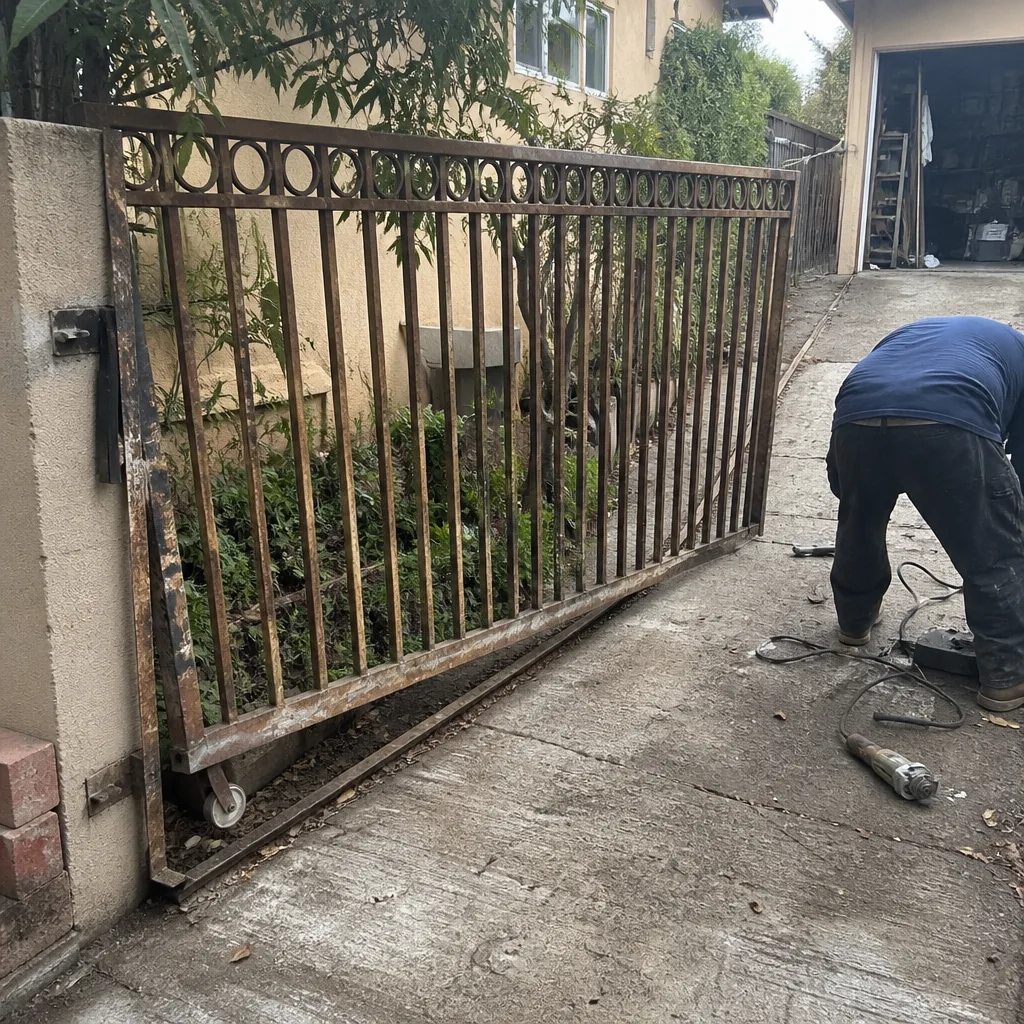 Before
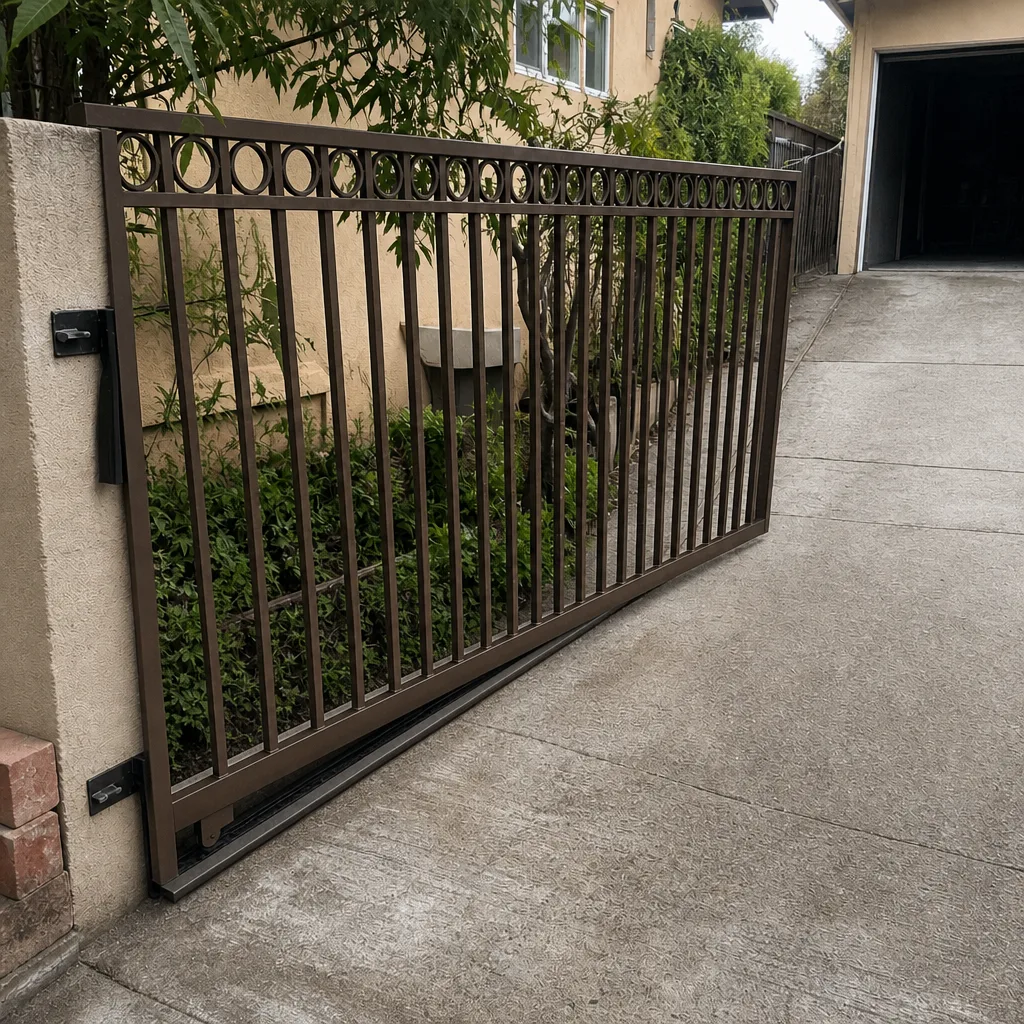 After
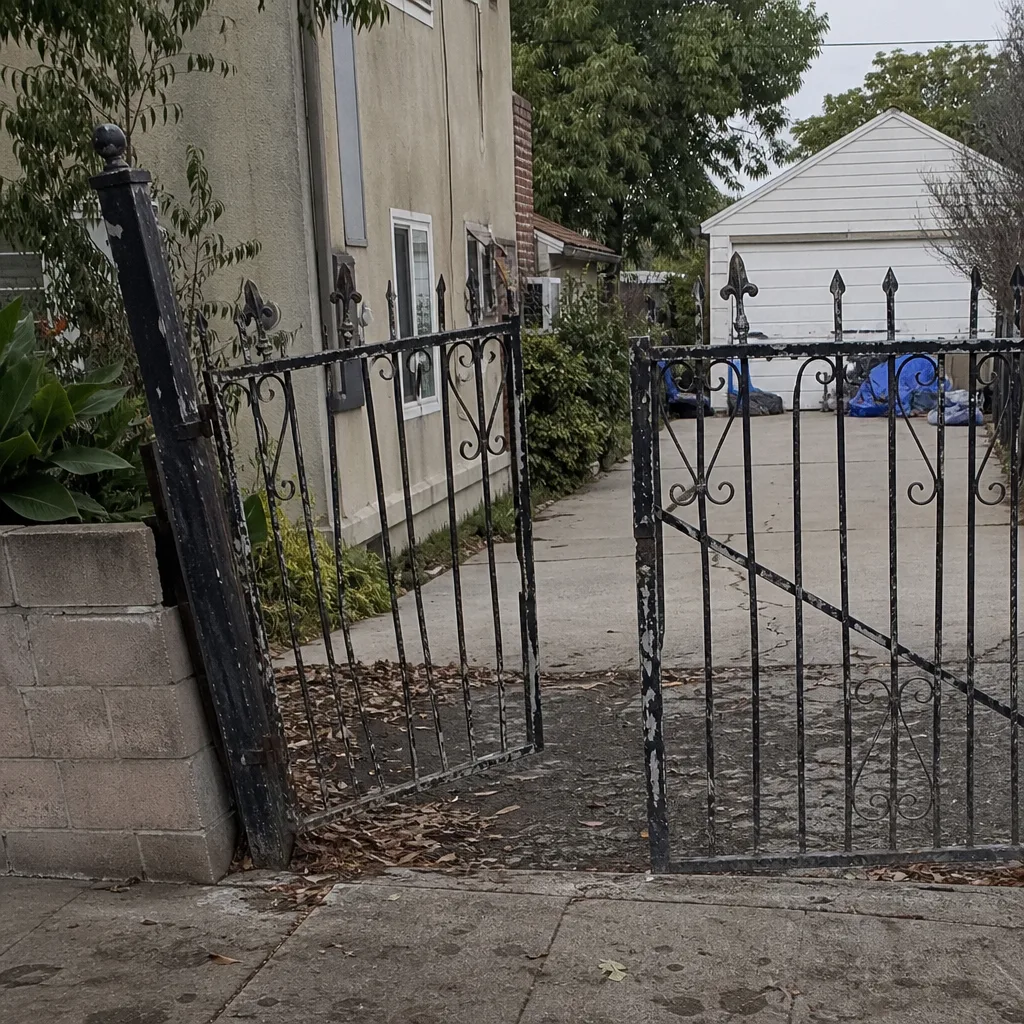 Before
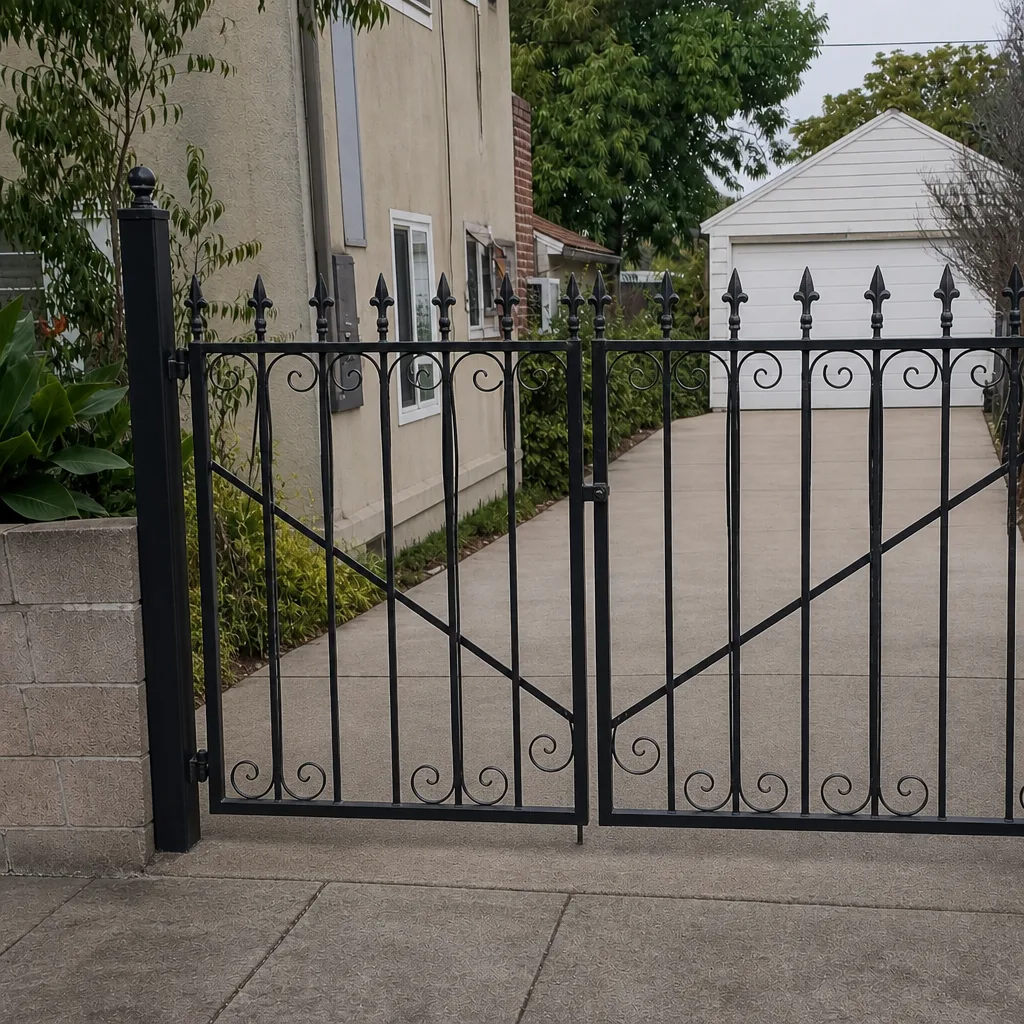 After
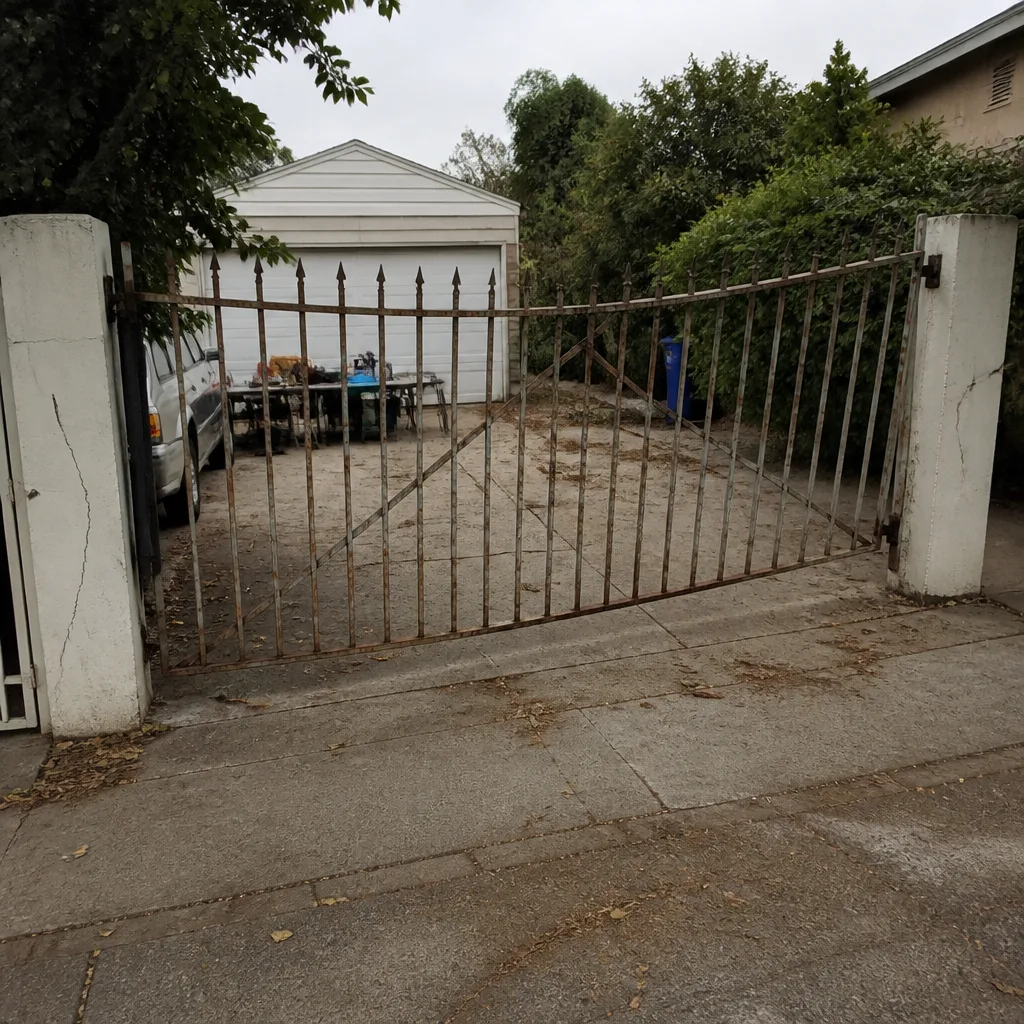 Before
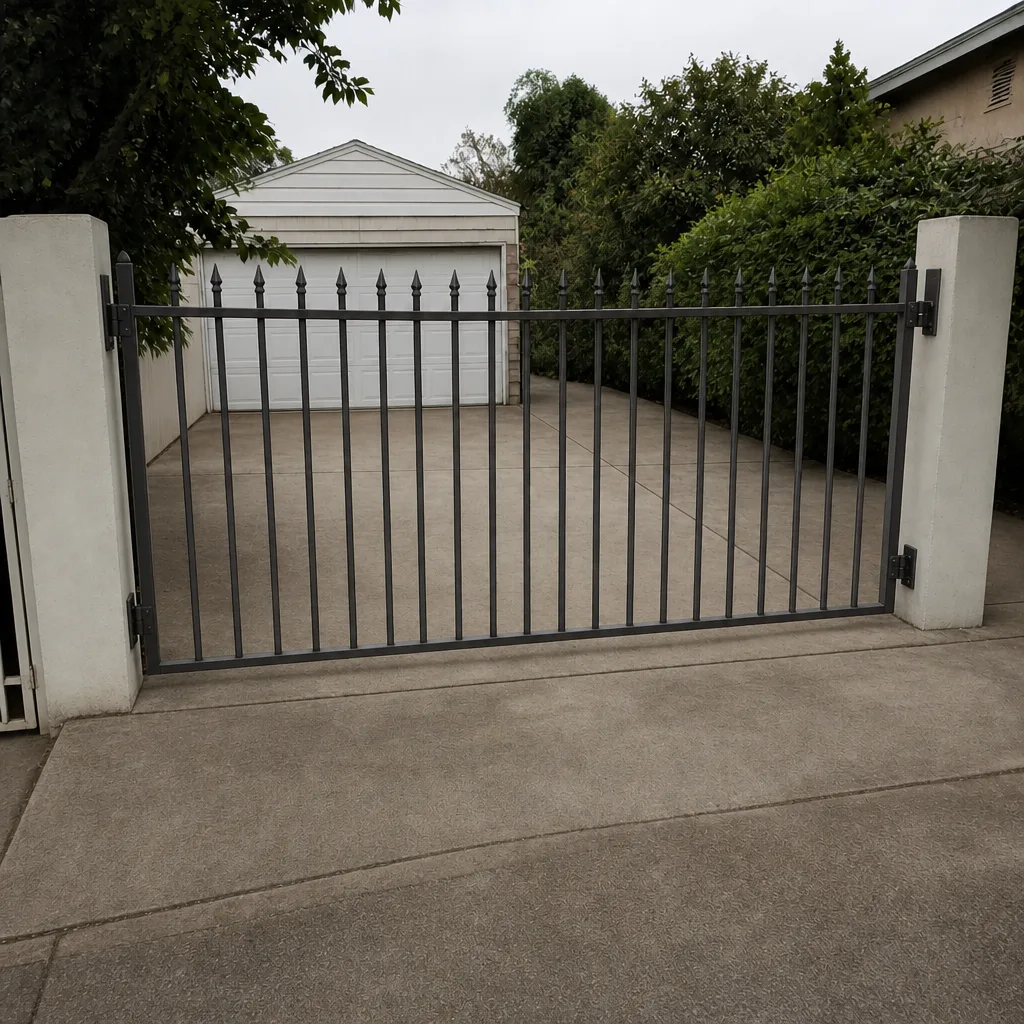 After
When to Call a Professional
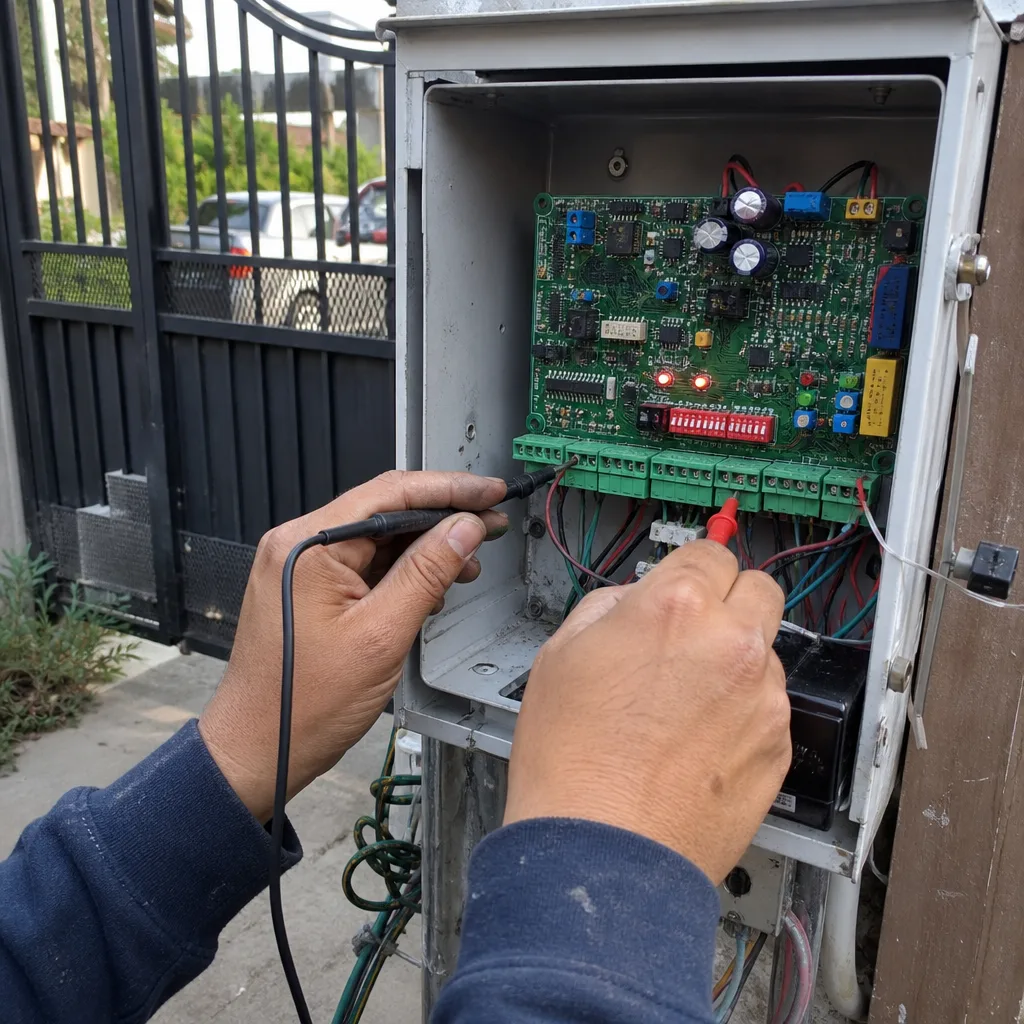
An electric gate combines mechanical components, electrical wiring, and control electronics, and all three systems interact. When a gate loses its limit settings and starts slamming into the end stops, the problem could be the board, the limit switch, or a mechanical bind. Diagnosing which one requires test equipment and experience. When a gate stops responding entirely, the fault could be the operator, the safety sensor, a broken wire underground, or a failed power supply. Guessing wrong means buying parts you do not need while the problem persists.
Heavy gate panels can crush fingers or worse, and slide gates that come off their track are a serious hazard. Operator wiring carries line voltage. If your gate is misbehaving, call a specialist. Gate Repair Atwater Village offers free estimates in Atwater Village, covers the full range from electric gate repair to new installation, and works across all nine major brands. Call (877) 752-2593. We answer 24/7. Fast dispatch from 7am to 7pm, Sunday through Friday.
Frequently Asked Questions
LiftMaster and FAAC are the most reliable brands for residential gates in Atwater Village based on parts availability, local technician familiarity, and failure rates under LA dust and UV conditions. The right choice between them depends on your gate’s weight and your access control setup. Call (877) 752-2593 for a free estimate and we will recommend the operator that fits your specific gate, not the one we happen to have on the truck.
A residential gate operator replacement in Atwater Village typically runs from a few hundred dollars for an entry-level Mighty Mule on a light swing gate to well over a thousand for a commercial-grade LiftMaster or FAAC installation, depending on gate weight, access control wiring, and hardware condition. The written estimate sets the final price before any work starts. Call (877) 752-2593 for an exact quote.
We repair gate operators from all nine brands we service: LiftMaster, FAAC, BFT, Linear, Viking, Ghost Controls, DoorKing, Elite, and Mighty Mule. We do not push brand replacements when a repair makes more sense. Our technicians diagnose the actual problem and quote the fix on its merits.
Usually, yes, unless the brand has discontinued parts for your model or your old operator was undersized for your gate’s weight and usage. Same-brand replacement keeps the access control wiring and mounting geometry intact, which saves labor. If your operator struggled, this is the time to move up in cycle rating and build quality. We work through that decision with you on site.
Most cities require a permit for new gate installation, and Atwater Village falls under Los Angeles city permitting. Operator replacement on an existing permitted gate is often simpler, but you should ask your city’s building department about what applies to your specific property. Your installer should be able to tell you whether the work needs a permit and pull one if required.
A properly sized residential gate operator in LA conditions should last 8 to 12 years with reasonable maintenance. Budget operators like entry-level Mighty Mule units typically last 5 to 8 years on a lightly used single-family gate. Dust, sun exposure, and cycle count are the big variables in Atwater Village. An annual inspection catches minor issues before they become full failures.
The Bottom Line
Choosing a gate operator brand for an Atwater Village property is a decision with a ten-year tail. Parts availability, local technician familiarity, cycle rating, and LA-specific durability matter more than the spec sheet. LiftMaster and FAAC are the strongest all-around residential choices in this market, with BFT and Viking holding their own on slide gates and commercial work. Mighty Mule and Ghost Controls have their place on light-duty residential gates, provided you understand the replacement-oriented economics. Match the operator to the gate’s weight, travel, and actual daily usage, confirm access control compatibility, and get the price in writing before any work begins.
Written by the team at Gate Repair Atwater Village, serving Atwater Village since 2012.