
Last updated November 5, 2026
 Wrought iron
 Wood & steel frame
 Farm & ranch
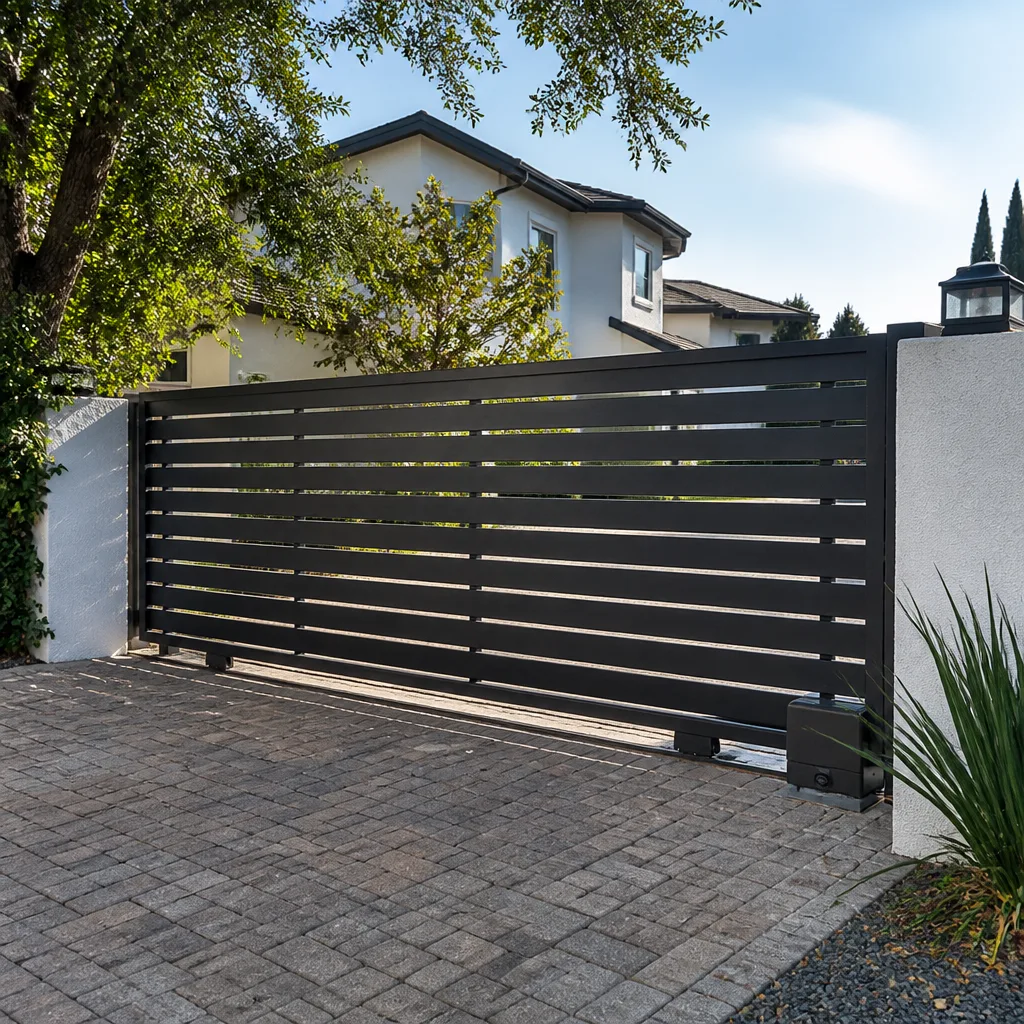 Sliding driveway gates
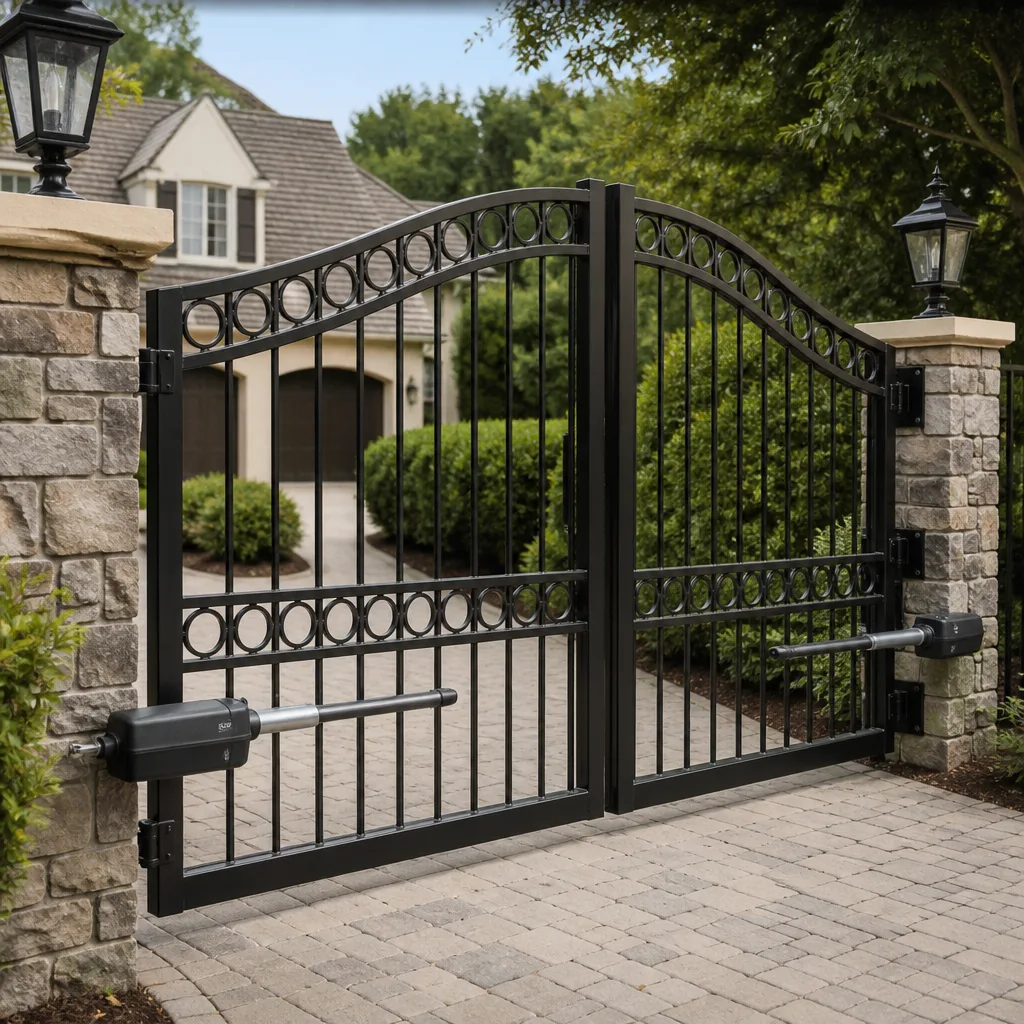 LiftMaster operators
Free on-site gate assessment - hinges, posts, and your LiftMaster or Nice gate operator checked before anything is quoted
The assessment is free and the quote is the invoice.
Get your free estimateHow to Hire a Gate Repair Contractor in Atwater Village: A Step-by-Step Guide
Most people assume any contractor who fixes gates understands them. That assumption is expensive. Gate work in Atwater Village splits into two worlds: the mechanical side (hinges, tracks, panels, posts) and the electrical side (operators, circuit boards, safety loops, keypads). Many “gate repair” companies are actually fence installers who learned one brand and guess on everything else. This guide gives you a technical vetting framework so you hire a specialist the first time, not someone practicing on your driveway.
Styles & brands we work with
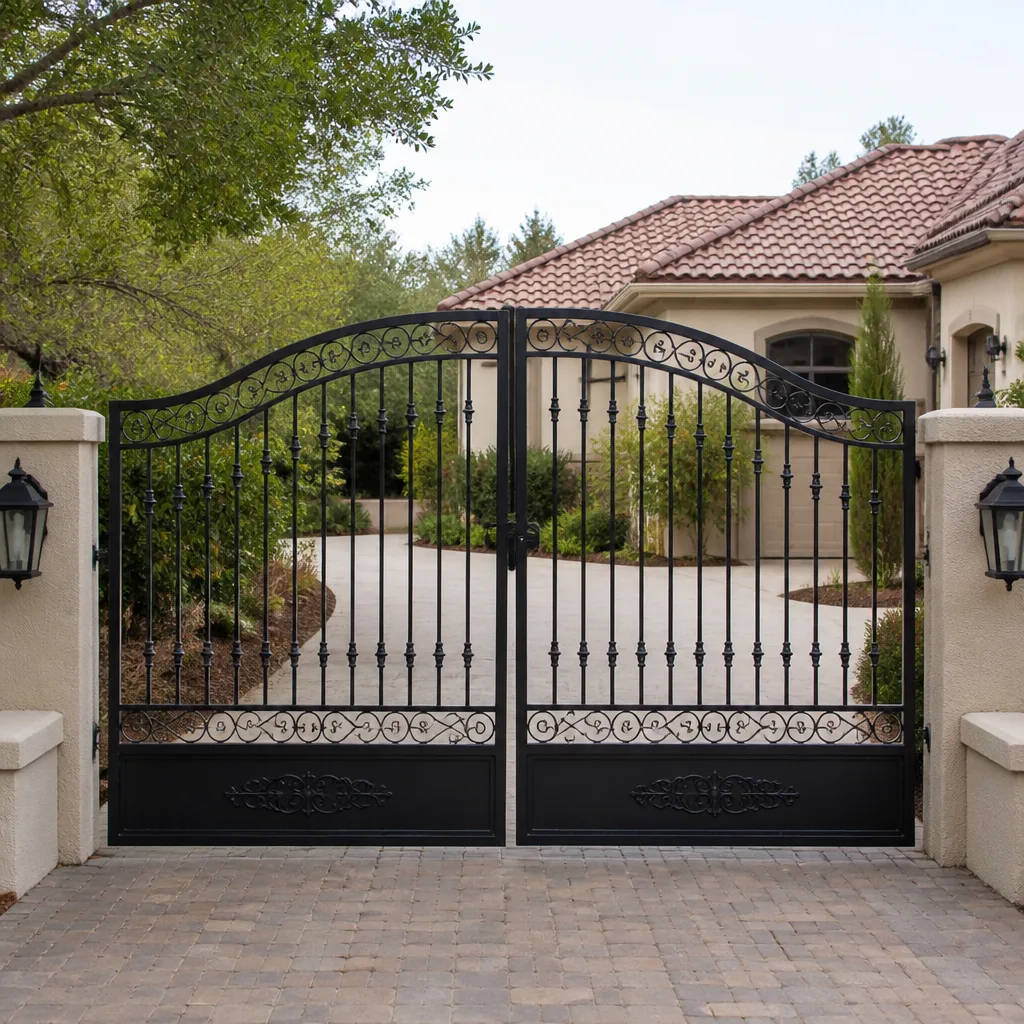
- Wrought iron
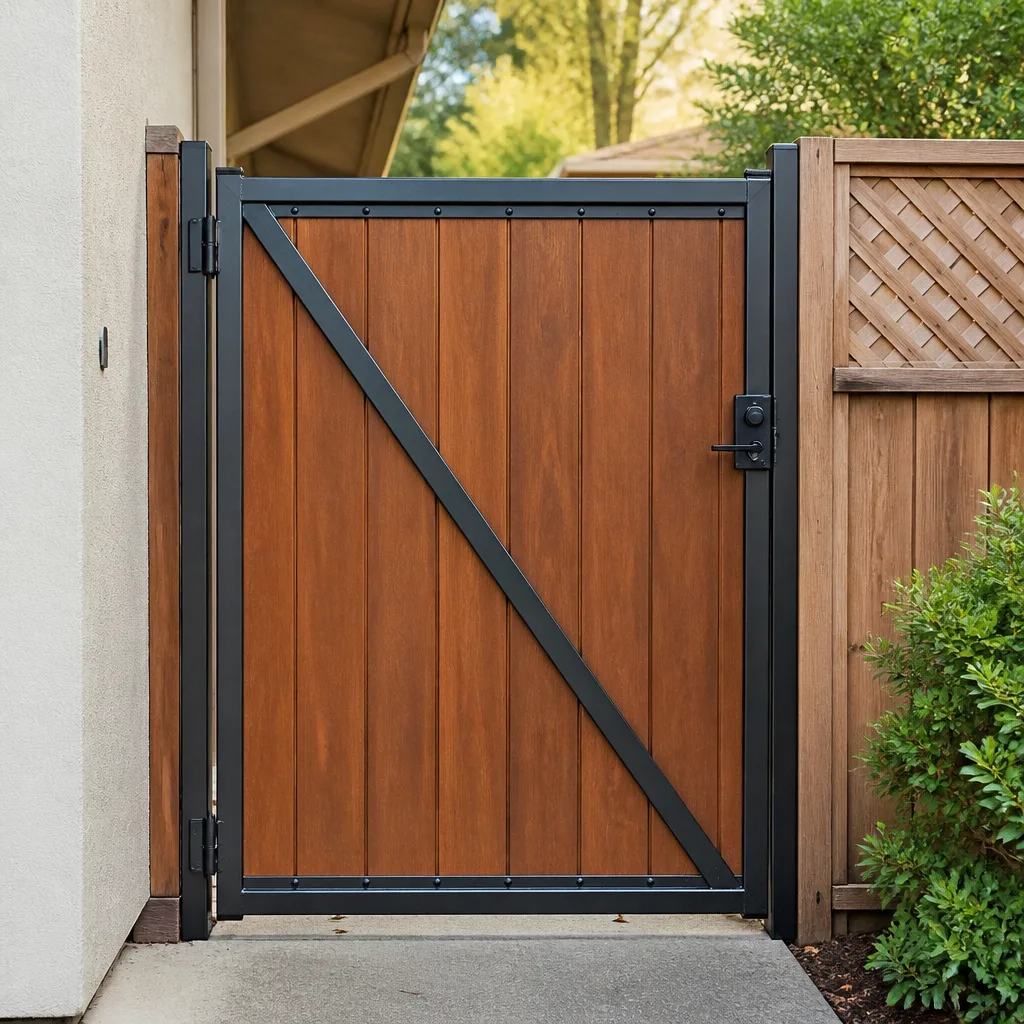
- Wood & steel frame
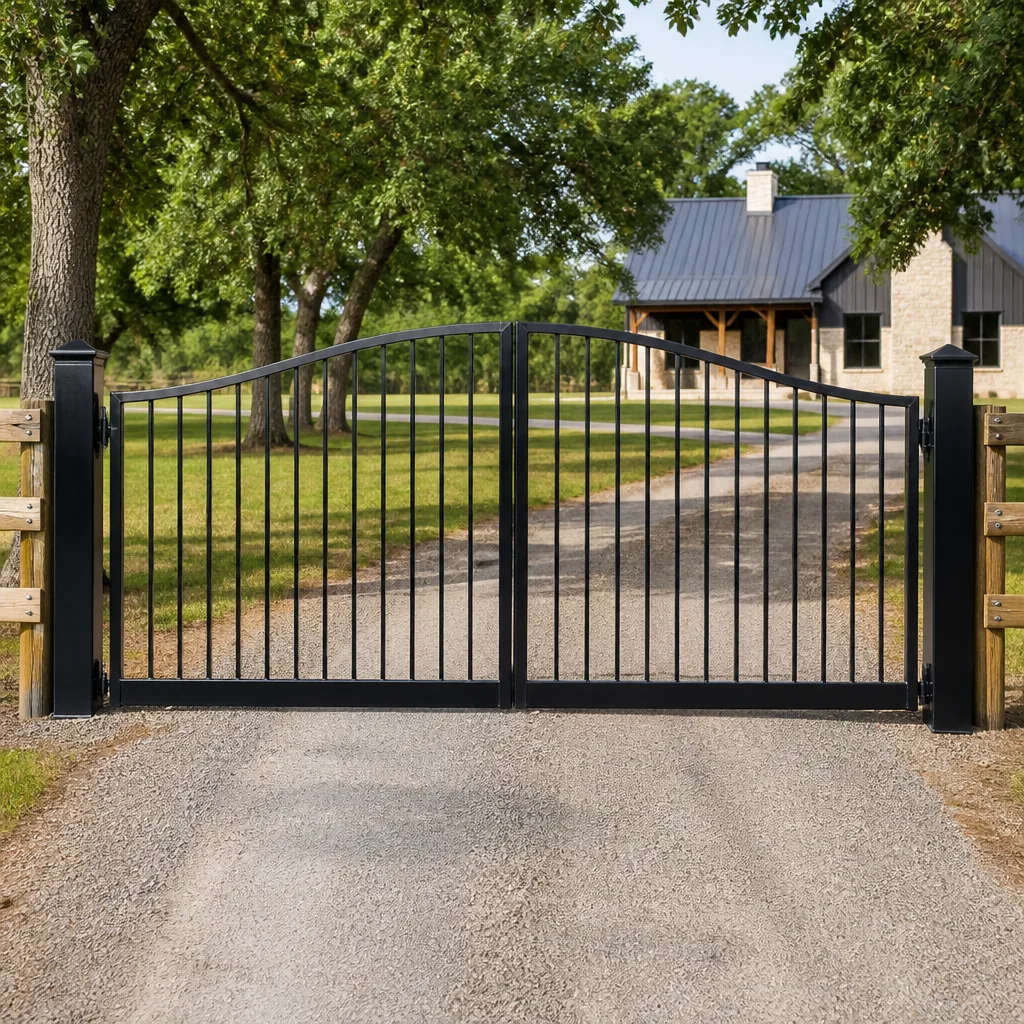
- Farm & ranch
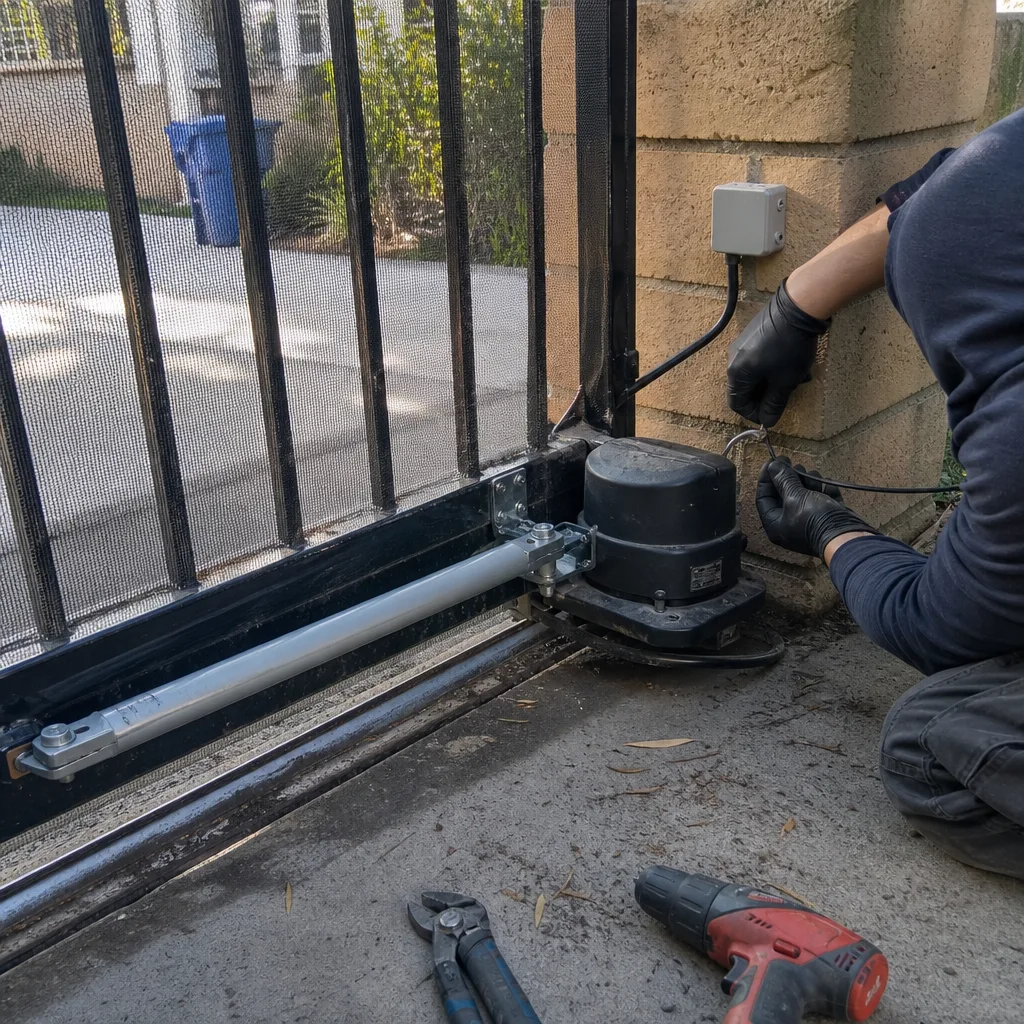
- Sliding driveway gates
- LiftMaster operators
Quick Answer
To hire a gate repair contractor in Atwater Village, ask brand-specific diagnostic questions before requesting a quote, confirm their low-voltage electrical credentials for automatic systems, require a written parts-and-labor breakdown, and verify they service your specific operator brand. A specialist who can answer how your gate’s control board behaves under load will save you from repeat service calls and unnecessary parts swaps. Gate Repair Atwater Village offers free estimates and works across nine major gate brands.
Table of Contents
- Step 1: Identify Your Gate Type and Operator Brand
- Step 2: Ask the Five Brand-Specific Diagnostic Questions
- Step 3: Verify Electrical Credentials for Automatic Gates
- Step 4: Understand What a CSLB License Actually Covers
- Step 5: Read Quotes for Parts Breakdowns and Labor Warranties
- Step 6: Compare Quotes When Invoices List Parts Differently
- Step 7: Evaluate “Authorized Dealer” Claims
- Common Mistakes to Avoid
- When to Call a Professional
- Frequently Asked Questions
- The Bottom Line
Step 1: Identify Your Gate Type and Operator Brand
Before calling anyone, look at your gate. Write down three things: whether it slides or swings, whether it runs on a chain, belt, or hydraulic arm, and the name printed on the operator housing. The brand matters because control boards and limit switches differ enough that a LiftMaster specialist may not recognize a FAAC board’s failure pattern. In Atwater Village, you see a mix of older chain-drive slide gates on hillside lots and newer swing-arm operators on flat streets near the LA River. Knowing your setup keeps a contractor from quoting you a generic fix.
Open the plastic cover on the operator. The model number is usually on a sticker inside. If it is faded, take a photo of the motor housing and any visible wiring. You do not need to know what the number means. You need to hand it to a contractor and watch their response. A gate specialist recognizes the model family immediately. A generalist asks why it matters.
Our work at gate repair starts with this same identification. We service LiftMaster, FAAC, BFT, and Linear systems regularly, but we do not assume a brand until we confirm it on site. That habit saves time and avoids ordering the wrong board for a gate that someone mislabeled over the phone.
Step 2: Ask the Five Brand-Specific Diagnostic Questions
This section gives you the single fastest way to filter out generalists. Call a contractor and ask these five questions. You do not need to understand every answer. You need to hear whether they answer without hesitation and whether the answer matches what is written here. If they stall, hedge, or say “we work on all brands,” keep looking.
- “What’s the difference between a DoorKing 1835 and a 1838, and when does that matter?” The correct answer: the 1838 is the upgraded control board for slide gate operators, with different plug-in loop detector ports than the older 1835. It matters when a loop detector fails and the board needs a compatible replacement. A contractor who says “both are fine” or asks what a DoorKing is has failed the first question.
- “How do you test a failing FAAC photo beam without replacing it?” The correct answer: check the alignment light and measure voltage at the receiver with the beam broken and restored. On many FAAC boards, a blinking error LED tells you beam status before you order parts. A contractor who goes straight to “we’ll replace the sensors” is guessing.
- “What does a LiftMaster operator’s force setting control, and why would you adjust it?” The correct answer: the force setting limits how hard the gate pushes against an obstruction before reversing. You adjust it down for lightweight gates that close too hard, and you check it whenever someone complains the gate hits the post and bounces. This is a safety adjustment, not a convenience setting.
- “How do you know if a BFT hydraulic operator is low on fluid versus a failed motor?” The correct answer: a low-fluid hydraulic arm moves slowly and whines under load. A failed motor typically clicks or does nothing. The pump reservoir has a sight glass or dipstick. A technician checks that before condemning the motor.
- “What does a Linear operator’s learn button actually program?” The correct answer: it syncs the remote’s rolling code. Holding it too long can erase all remotes. A contractor who says “it resets the whole system” does not know Linear’s programming sequence.
We ask ourselves versions of these questions on every diagnostic visit. It is not trivia. It is how electric gate repair avoids replacing a $600 board when a photo beam simply needs cleaning.
Step 3: Verify Electrical Credentials for Automatic Gates
Automatic gate systems run on low-voltage DC power, but they interact with line-voltage circuits at the transformer and sometimes the keypad. In California, a contractor doing low-voltage work connected to an access control system typically needs a C-7 low-voltage systems license or a C-10 electrical license, depending on the scope. A fence contractor or general contractor without those credentials can legally hang a gate, but once sensors, keypads, and loop detectors enter the job, the low-voltage work should come from someone qualified.
Ask directly: “Do you hold a low-voltage credential, or will you subcontract the electrical work?” A specialist who does electric gate repair regularly has the credential or works under someone who does. A contractor who says “we handle the whole thing” without naming a license class is a red flag. You can check a California contractor’s license status on the CSLB website, and you should. But verifying the credential is only step one. You also want to hear that they troubleshoot low-voltage problems rather than replacing parts until the problem goes away.
In Atwater Village, many automatic gates sit on narrow driveway approaches where a failed safety loop means the gate will not open when a car pulls up. That is a low-voltage diagnostic problem: a loop detector reading, not a motor replacement. A generalist who cannot meter a loop detector will replace the operator and still leave you with a gate that ignores your car.
Step 4: Understand What a CSLB License Actually Covers
A valid California contractor’s license proves the business is legitimate, insured, and bonded. It does not prove the person on your driveway knows gate systems. The CSLB issues licenses by classification, and “C-13 Fencing” means the contractor can install and repair fence and gate structures. It does not, by itself, cover the low-voltage operator wiring. Many fence companies carry a C-13 and still are not qualified to diagnose a control board.
Here is what to verify before you hire anyone for gate work in Atwater Village:
- License number is active. Look it up on the CSLB website. A suspended or expired license tells you everything.
- Classification matches the work. For gate installation, a C-13 is common. For electric gate operator work, look for C-7 or C-10. Do not accept “we have a license” without the class.
- Insurance covers gate operators. General liability should cover property damage and personal injury. Automatic gates are heavy, moving equipment. A gate that closes on a car or a person is a claim, and you want their insurer on the hook, not yours.
We are gate specialists, not generalists. That means our focus is not spread across retaining walls and pavers. When you call us about a gate, the person who shows up thinks about gates all day. The credential matters, but the concentration matters just as much.
Step 5: Read Quotes for Parts Breakdowns and Labor Warranties
A legitimate gate repair quote in Atwater Village lists parts and labor separately. It names the operator brand and model, the sensor type, the wire gauge if new low-voltage wire is being run, and the labor rate. A quote that says “gate repair: $1,400” with no breakdown is not a bid. It is a guess wrapped in a round number.
Here is what a useful quote includes:
- Part names and model numbers. If you are getting a replacement control board, the quote should say which board and for which operator. “Control board replacement” without a brand is a placeholder.
- Labor broken out by task. Diagnosis, removal, installation, programming, and testing should each appear as line items or at least be described in the scope of work.
- Warranty terms in writing. Ask what labor warranty the contractor offers on repairs. A specialist who stands behind their diagnostic work typically warrants labor for at least 30 to 90 days. No written labor warranty means you pay twice if the same symptom returns in three weeks.
Watch for one quote pattern in particular: an operator replacement recommended before any diagnostic work happens. If a contractor hears “the gate stopped opening” and immediately says “you need a new operator, that’ll be $2,800,” that is a sales process, not a repair process. Diagnosed correctly the first time means the diagnosis comes first, and the parts list follows from what the diagnosis found.
Step 6: Compare Quotes When Invoices List Parts Differently
This is the part homeowners in Atwater Village get wrong most often. You receive two quotes. One says “LiftMaster LA400PKGU replacement operator, $980.” The other says “Swing gate opener kit, $1,150.” You go with the cheaper line item and feel smart. Then the second contractor’s invoice arrives with a line that says “control board, $380” and you realize the first quote included the board in the kit price and the second one did not.
To compare quotes accurately, ask each contractor the same question: “Does this price include the control board, the receiver, and the remote, or are those separate?” Then write the answer down. Next, ask: “What is your labor rate and how many hours do you estimate?” A two-hour job at $180 an hour from one contractor and a four-hour job at $120 an hour from another are not as far apart as they look.
Finally, ask about the power run. If the operator is being moved or a new one added where no low-voltage wire exists, somebody has to dig a trench or run conduit. That is a line item. If one quote includes trenching and the other assumes existing wire, the gap is not a better price. It is a different scope. In Atwater Village yards, the soil is forgiving for shallow conduit runs, but rock and old tree roots near the LA River corridor can add time. A contractor who has not looked at the ground cannot give you a real power-run price.
Step 7: Evaluate “Authorized Dealer” Claims
“Authorized dealer” sounds impressive. It usually means the contractor buys parts from that manufacturer and can process warranty claims. It does not mean the technician who shows up at your gate has more skill than an independent specialist. For budget homeowner brands like Mighty Mule and Ghost Controls, dealer status is mostly a sales credential. For commercial-oriented brands like DoorKing and LiftMaster, it can matter when warranty replacement parts are involved, because the manufacturer may require a dealer to file the claim.
But here is what matters more in practice: does the contractor work on whatever is already installed, or do they steer you toward the brand they carry? A brand-agnostic service model means the technician troubleshoots the actual problem rather than defaulting to unnecessary part replacements. We work on LiftMaster, FAAC, BFT, Linear, Viking, Ghost Controls, DoorKing, Elite, and Mighty Mule. That range covers what is installed in most Atwater Village driveways and apartment building gates. When a contractor handles that many boards and motors regularly, they diagnose patterns a single-brand dealer misses.
Ask this on the phone: “Do you recommend one brand over another for my existing gate?” A dealer who answers “we only install X brand, it’s the best” has just told you they are not diagnosing your gate. They are selling you a conversion.
Common Mistakes to Avoid
- Hiring a fence installer for an electric gate problem. Fence contractors hang gates. Electric gate repair requires metering low-voltage circuits, reading control boards, and programming safety loops. They are different trades, and hiring the wrong one means the problem returns.
- Accepting a flat-rate bid with no parts breakdown. A lump sum without line items hides the diagnosis. If you do not know what part failed, you cannot verify the price or the repair.
- Skipping the credential check. “Licensed and insured” is not enough. Ask for the classification and verify it online. An expired C-13 that installs a low-voltage keypad may not be properly covered for that work.
- Paying for an operator replacement before diagnostics. Contractors who quote a replacement on the first call, before any testing, are the most expensive option. A specialist diagnoses first, then quotes parts.
- Comparing quotes by bottom line. Different invoices list parts differently. One contractor’s kit is another’s separate board and receiver. Ask what is included, line by line.
- Choosing a single-brand dealer for an existing mixed-property gate. If your rental property in Atwater Village has a DoorKing on the back gate and a LiftMaster on the front, a dealer for one brand leaves you calling two companies.
- Not getting the labor warranty in writing. A verbal “we’ll take care of it” expires the day the truck leaves. Written labor terms protect you from a misdiagnosis charge.
When to Call a Professional
Call a gate specialist when the gate opens but will not close, closes but will not open, reverses mid-travel, beeps constantly, or ignores your remote and keypad. Call when you hear grinding from a sliding gate that used to move quietly, when a swing gate sags on its hinges, or when the loop detector stops sensing your car. If you can push the gate manually but the operator will not engage, the motor is likely fine and the problem is electrical. These are diagnostic calls, not part-swap guesses. Gate Repair Atwater Village offers free estimates in Atwater Village. Call (877) 752-2593.
Frequently Asked Questions
Gate repair in Atwater Village typically runs from $225 for a basic sensor alignment or remote programming up to $2,800 or more for a commercial-grade operator replacement. The final price depends on the operator brand, whether the control board is repairable, and how much low-voltage wiring needs replacement. Call (877) 752-2593 for an exact quote, and we will set the price in writing before any work starts.
We answer 24/7. Fast dispatch from 7am to 7pm, Sunday through Friday. If the gate will not close and you need it secured before night, we prioritize calls where the gate is stuck open and the property is exposed.
We work on LiftMaster, FAAC, BFT, Linear, Viking, Ghost Controls, DoorKing, Elite, and Mighty Mule. If your operator is a lesser-known brand, we can usually identify the board family and source parts. Bring the model number to the first call and we will tell you what we are working with.
A full gate installation in Atwater Village includes removing the old gate and posts if present, setting new posts to proper footing depth, hanging the gate, installing the operator and safety sensors, programming remotes and keypads, and testing the full cycle. The written estimate includes parts and labor separately so you know exactly what you are paying for.
Yes. The low-voltage power run, the safety edges, and the photo beams are part of the installation scope. We do not leave a gate installed without its safety devices functioning. If existing conduit is reusable, we use it. If new conduit must be run, it appears as a line item on the estimate.
Repair is usually the right call if the operator is less than ten years old and the failure is in the board, sensors, or remotes. Replacement makes sense when the motor has failed, the gearbox is worn, or the board is obsolete and no longer available. A specialist diagnoses which one you are dealing with before recommending either. Call (877) 752-2593 and we will tell you what is actually wrong.
The Bottom Line
Hiring a gate repair contractor in Atwater Village comes down to one principle: verify technical competence before price. Ask the brand-specific diagnostic questions. Confirm the electrical credential. Read the quote line by line and compare scopes, not bottom lines. A specialist who works on your brand and diagnoses before quoting will cost less over time than a generalist who replaces parts until the gate works again. That is the whole game. We have been serving Atwater Village since 2012, and we still start every job the same way: identifying the gate, reading the board, and figuring out what actually failed.
Written by the team at Gate Repair Atwater Village, serving Atwater Village since 2012.
See the difference
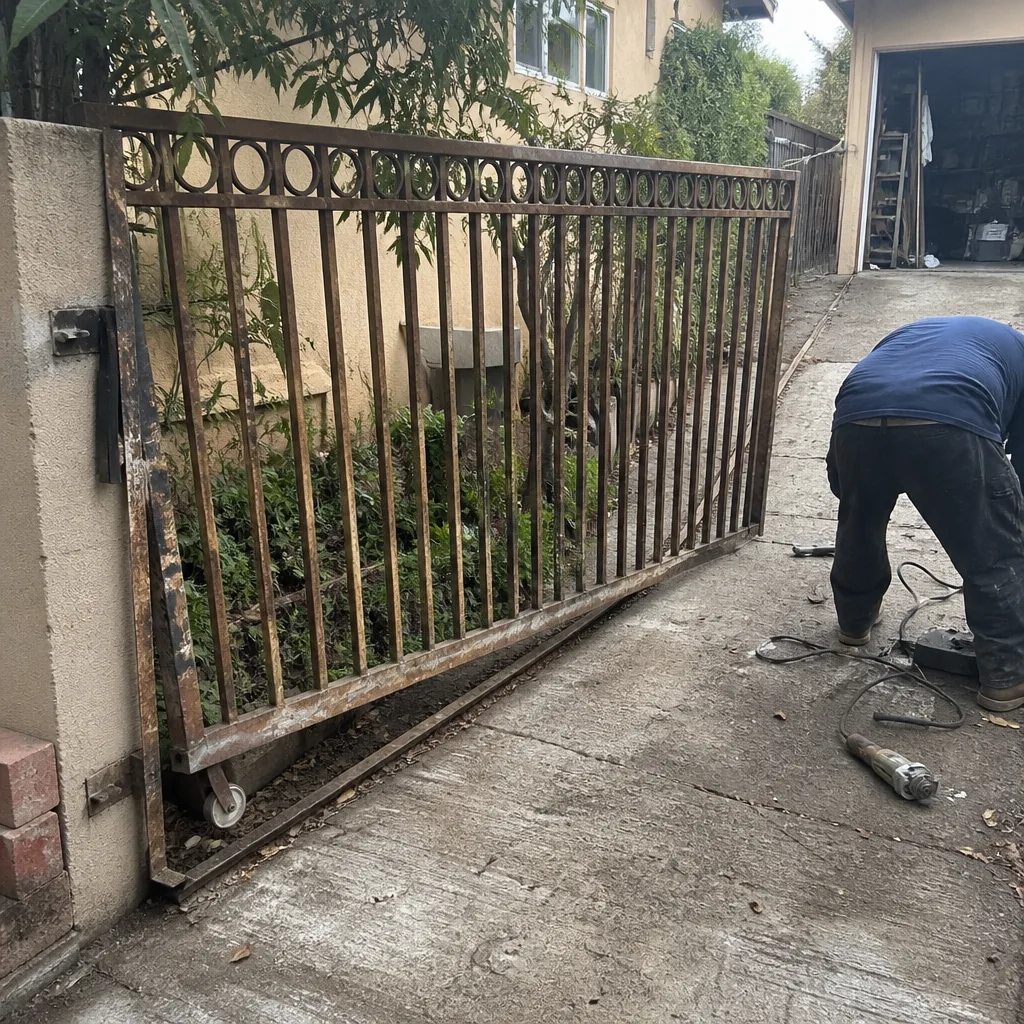 Before
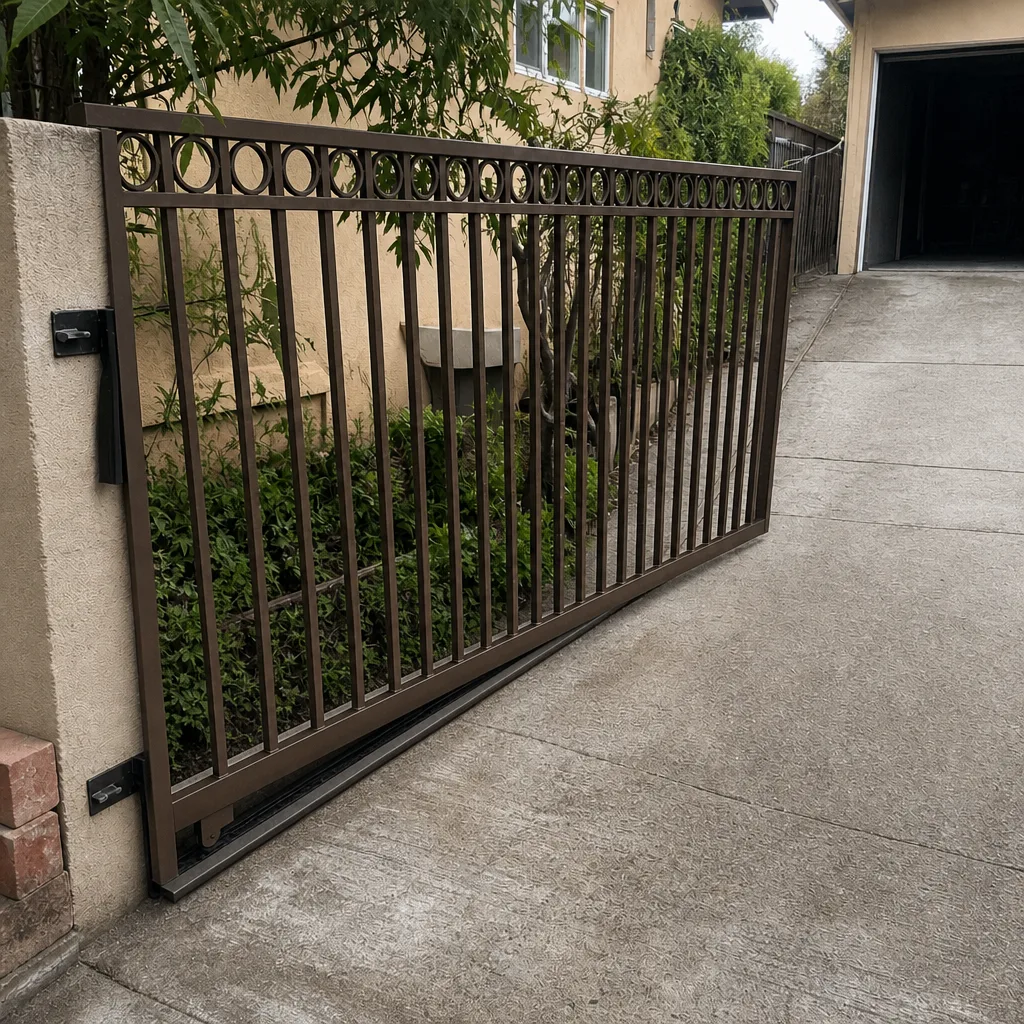 After
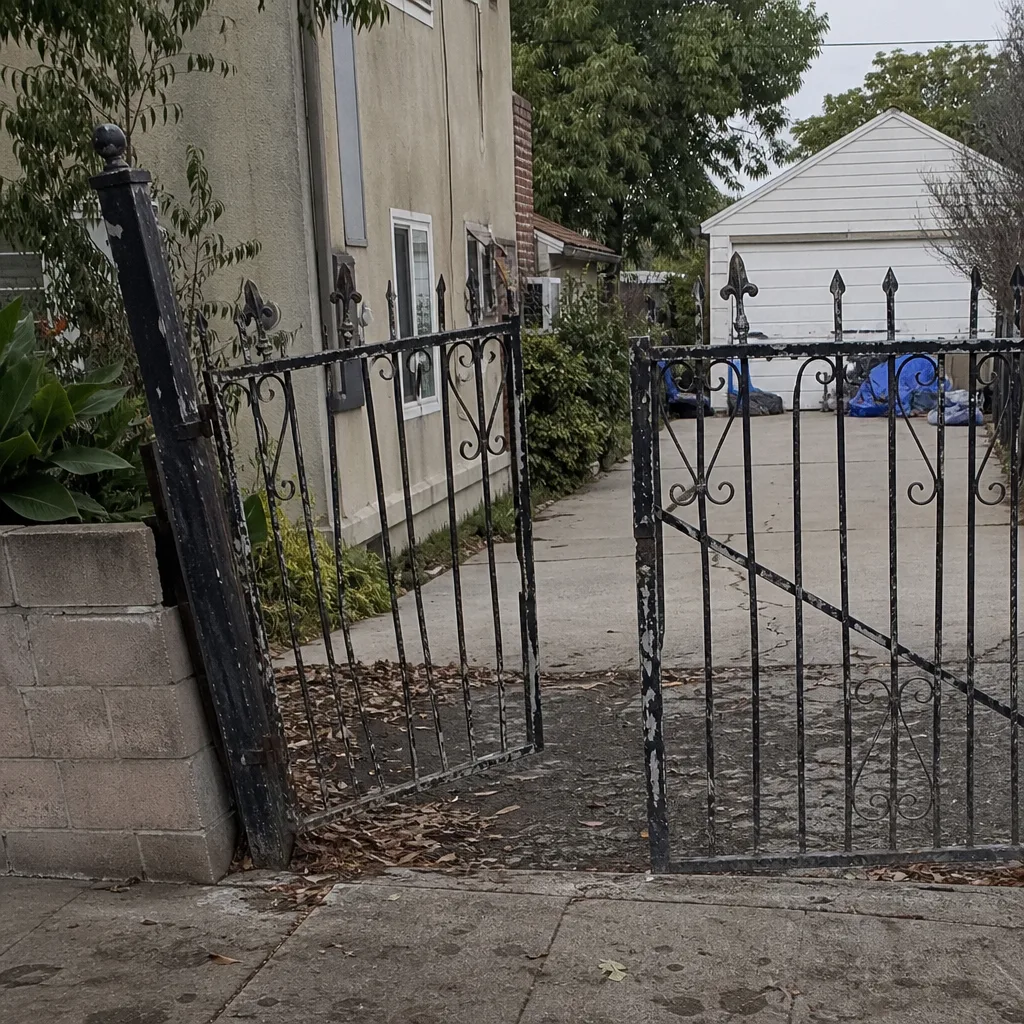 Before
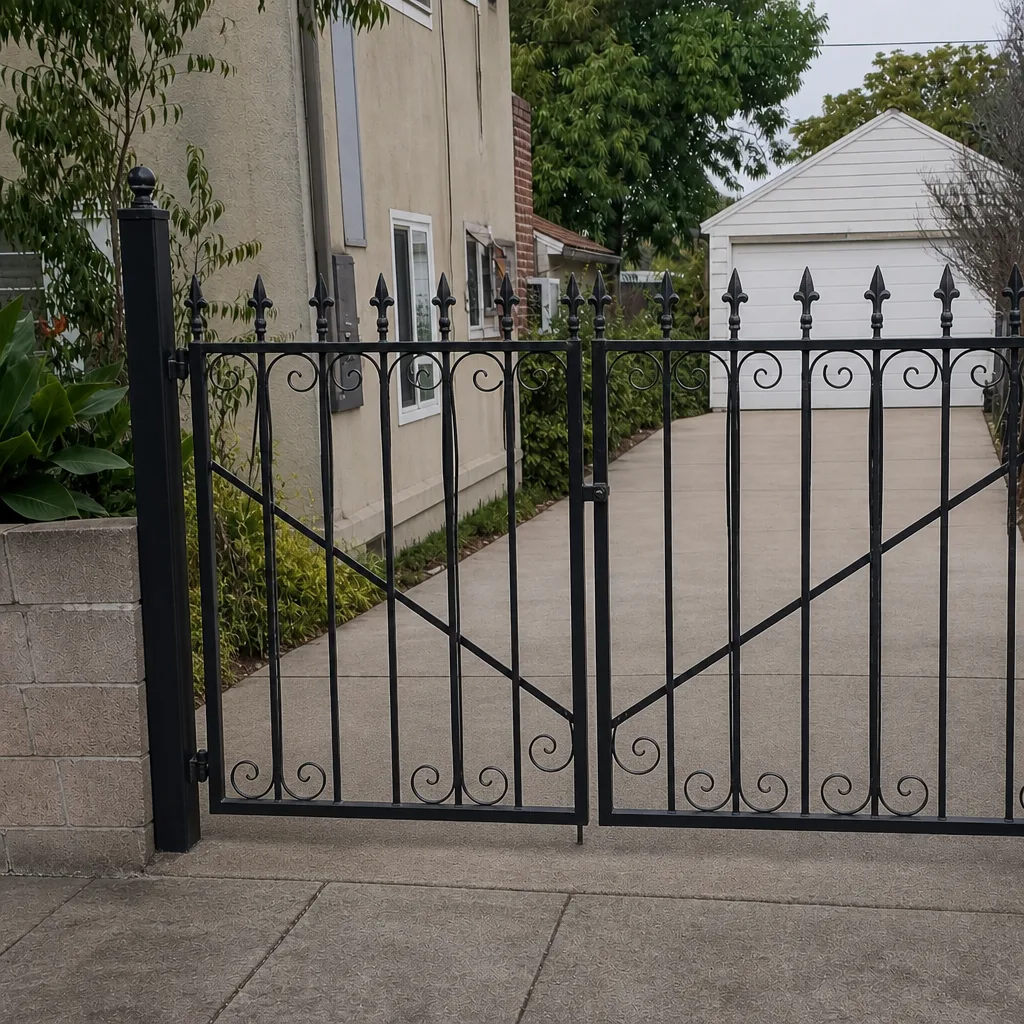 After
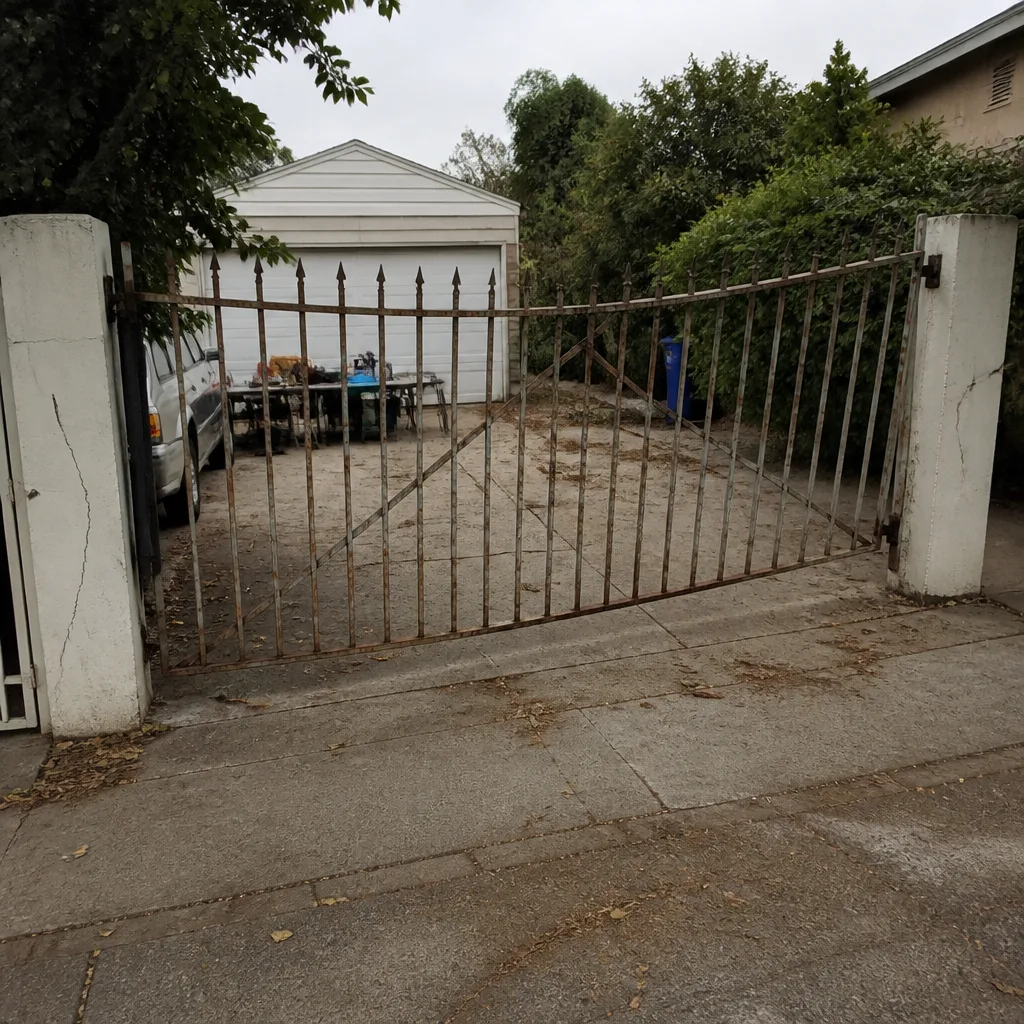 Before
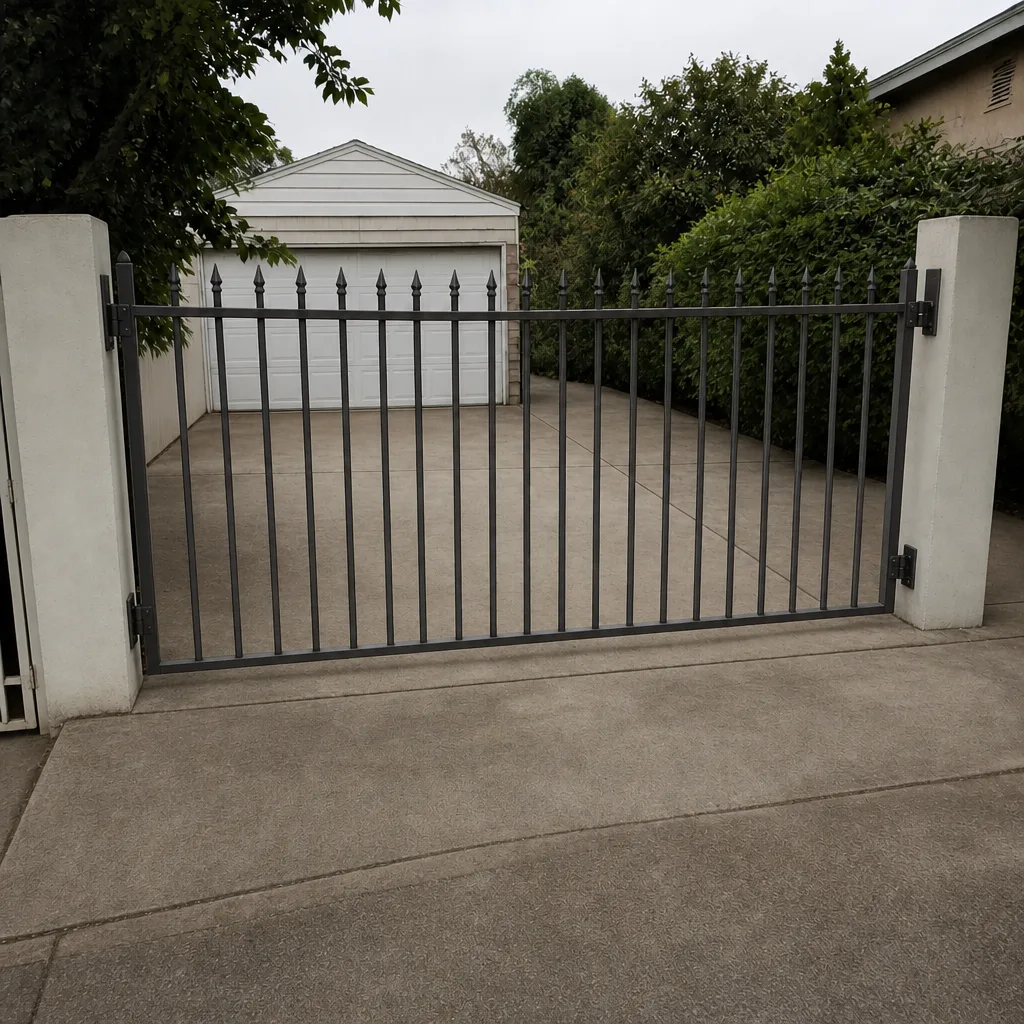 After