
Last updated November 4, 2026
 Wrought iron
 Wood & steel frame
 Farm & ranch
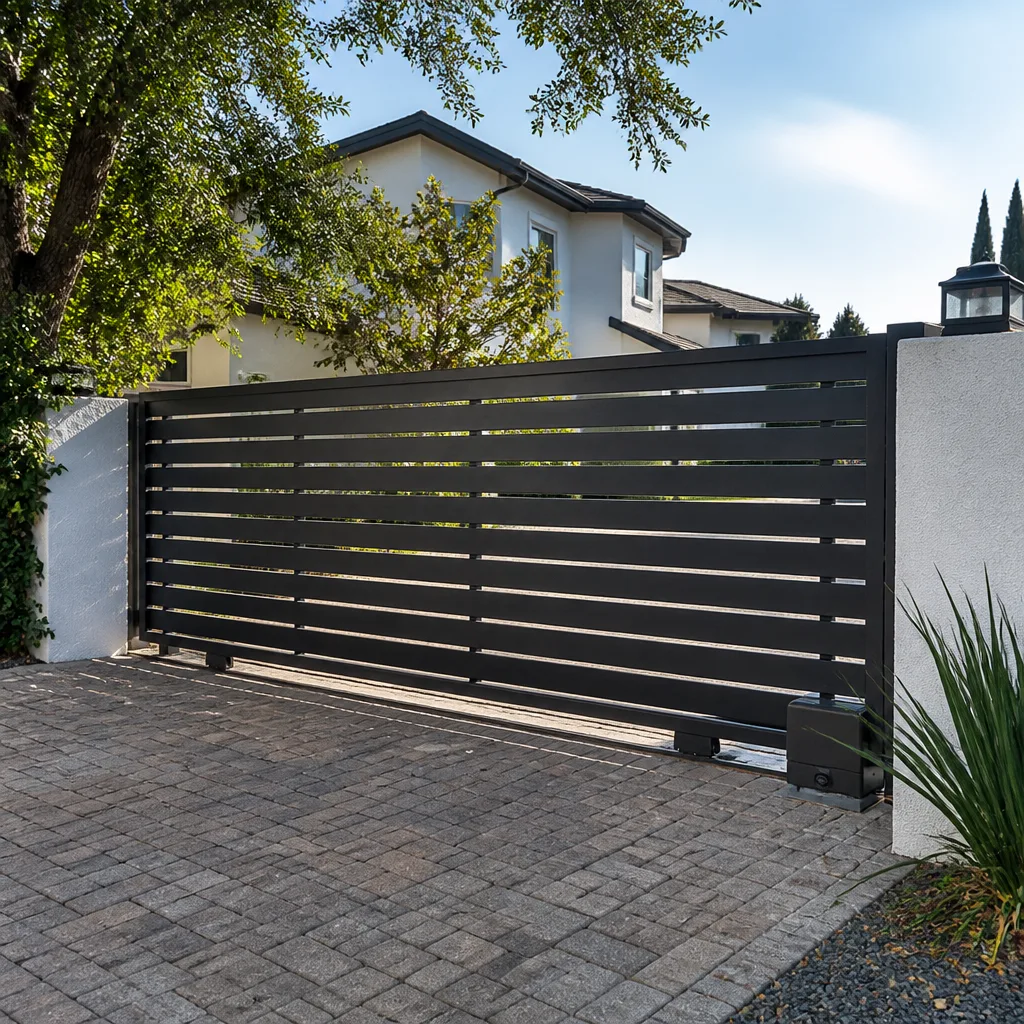 Sliding driveway gates
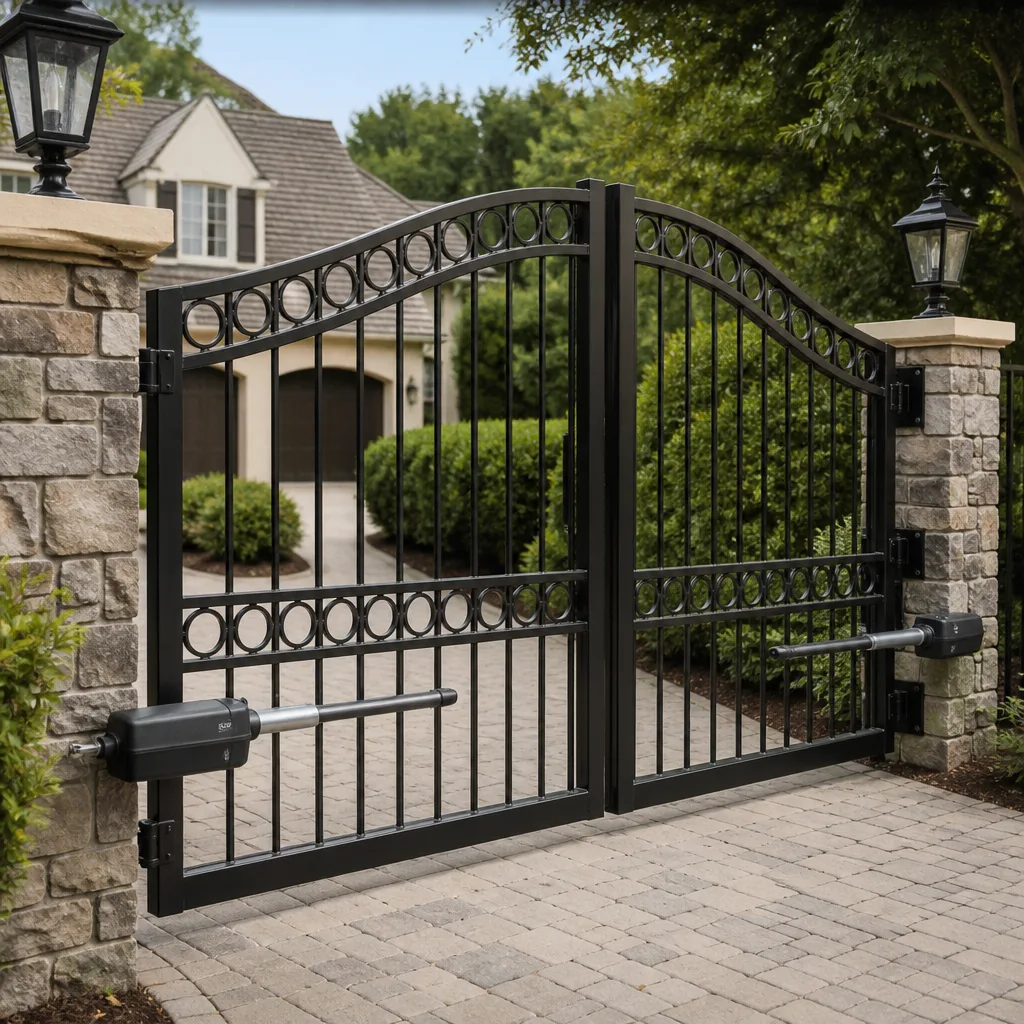 LiftMaster operators
Free on-site gate assessment - hinges, posts, and your LiftMaster or Nice gate operator checked before anything is quoted
The assessment is free and the quote is the invoice.
Get your free estimateGate Repair Troubleshooting in Atwater Village: Common Problems and How to Fix Them
If your gate stopped mid-cycle, the problem is almost never the motor. It’s statistically more likely a limit switch, a safety loop, or a dead battery backup that nobody told you existed. Most gate failures in Atwater Village fall into one of six diagnostic categories, and knowing which category you’re dealing with eliminates most of the guesswork before a technician ever arrives. This guide teaches you to read your gate’s symptoms the way a specialist does, not just list things that can go wrong. You’ll learn which resets are safe, which ones can cause expensive downstream damage, and when to pick up the phone instead of reaching for a screwdriver.
Styles & brands we work with
- Wrought iron
- Wood & steel frame
- Farm & ranch
- Sliding driveway gates
- LiftMaster operators
Quick Answer
Gate troubleshooting in Atwater Village starts with identifying which of six systems failed: power, limit switches, safety sensors, control board, operator motor, or mechanical hardware. Most symptoms are diagnosable from what you can see and hear without opening the operator cover. For anything involving wiring, circuit boards, or a gate that won’t hold its weight, call a gate specialist rather than forcing a reset.
Table of Contents
- The Gate Is Dead: Power and Wiring Failure
- Gate Stops in the Wrong Place: Limit Switch Problems
- Gate Reverses or Won’t Close: Safety Sensor False Signals
- Erratic Behavior and Beep Codes: Control Board Diagnosis
- The Motor Hums But Nothing Moves: Operator Failure
- Grinding, Dragging, and Binding: Mechanical Wear
- How Atwater Village Weather Affects Gate Hardware
- Common Mistakes to Avoid
- When to Call a Professional
- Frequently Asked Questions
- The Bottom Line
The Gate Is Dead: Power and Wiring Failure
When an automatic gate won’t respond to the remote, keypad, or push button, the cause is usually electrical before it’s mechanical. The first thing to check is whether the operator is receiving power at all. Look for a small LED indicator on the control board or operator housing. If it’s dark, the issue is upstream: a tripped breaker, a GFCI outlet that needs resetting, or a disconnect switch that someone bumped. If the LED is lit but the gate won’t move, the problem shifts to the control board or the operator itself.
Atwater Village homes range from older 1920s bungalows along Glendale Boulevard to newer hillside builds, and the electrical service varies just as widely. Some older panels have limited capacity, and adding a gate operator on a shared circuit can cause nuisance tripping. We’ve also seen landlords and property managers install a gate operator on a circuit that already powers outdoor lighting or a pool pump, which leads to intermittent power drops that look exactly like operator failure.
Before calling anyone, check these in order:
- Confirm the breaker for the gate circuit is in the on position.
- Check any exterior GFCI outlet near the operator and press reset if needed.
- Look for a visible disconnect switch on the operator post or nearby wall.
- If there’s a battery backup inside the operator, check whether it’s swollen or showing a fault light.
A dead battery backup is one of the most overlooked causes of a gate that works sometimes and fails other times. If your gate operates after a brief power interruption but won’t run normally, the battery may be sitting in a failed state and pulling the whole system down.
Gate Stops in the Wrong Place: Limit Switch Problems
If your gate opens partway and stops, or closes fully but keeps grinding against the post, the limit switches are the likely culprit. These small components tell the operator where the gate is in its travel cycle. When they fail or drift out of adjustment, the gate stops short of full open, overtravels past the closed position, or reverses unexpectedly.
On LiftMaster and Mighty Mule systems, the limit settings are often stored electronically and can drift after a power surge or a hard bump. On older mechanical operators from Viking or BFT, the limits may be physical switches that wear out or collect dust. Either way, the symptom is the same: the gate behaves like it doesn’t know where it is.
What you can safely check
- Watch where the gate stops. If it’s consistent, the limit is set wrong, not failing intermittently.
- Listen for a click or a soft beep when the gate reaches the wrong position. That indicates the limit is being triggered early.
- Look for debris on the gate track or in the operator arm’s path. A stick or a rock can stop the gate early and make the limit look faulty.
Do not open the operator cover and start adjusting limit dials unless you know the specific model’s procedure. Forcing a limit switch past its stop can strip the drive gear or send the gate slamming into the post. That’s a $400 to $900 repair versus a $150 limit adjustment. On any system with automatic gate capability, the limit settings interact with the safety sensors, so changing one without checking the other usually creates a new problem.
Gate Reverses or Won’t Close: Safety Sensor False Signals
A gate that reverses immediately after closing, or refuses to close at all, is often reacting to a safety sensor that thinks something is in the way. Photo eyes near the gate posts and in-ground safety loops detect obstructions. When they misread the environment, the gate behaves like a cautious bouncer and won’t let anyone through.
In Atwater Village, false obstruction signals are common for a few reasons. Many gates along Fletcher Drive and in the hills sit close to landscaping, and fast-growing bougainvillea or jasmine can drift into the sensor’s field. Direct morning sun at certain angles can also blind a photo eye that faces east. Leaf litter, spider webs, and even dust kicked up by Santa Ana winds can trigger a loop sensor that’s set too sensitively.
- Check the photo eye lenses for dirt, cobwebs, or moisture. Wipe them with a dry cloth.
- Look for any plant material that has grown into the gate path or across the sensor beam.
- If the gate reverses during certain hours but works fine at others, sun glare is probably the trigger.
- Stand clear of the gate and press the close button while watching the sensor indicator lights. A blinking or flickering light usually means the beam is interrupted or misaligned.
Testing a safety loop requires a metal detector or a trained eye, which is where a technician’s visit pays for itself. We can check whether the loop frequency is set correctly for the gate’s surroundings, which is something most homeowners in Atwater Village have never been told to adjust.
Erratic Behavior and Beep Codes: Control Board Diagnosis
The control board is the gate’s brain, and when it gets confused, the symptoms are strange: the gate opens when you press close, the keypad accepts the code but nothing happens, the remote works only from two feet away, or the gate opens by itself at inconsistent times. These are board-level problems, not operator problems.
Most modern operators communicate through beep codes and LED flash patterns. Knowing what these mean saves a lot of phone time. On Mighty Mule systems, a single beep every few seconds usually indicates a low battery in the control board’s backup circuit. Two beeps often point to a sensor fault. Three beeps more commonly indicate a motor overload or a bound gate. On LiftMaster residential and light commercial operators, the diagnostic LED blinks in patterns that correspond to specific failures, such as a stuck relay or a lost limit setting. Viking operators use a combination of blink sequences and LCD messages on higher-end models.
Interpreting the codes you can see
- Steady LED, no response to remote: the board is powered but not receiving signal. Check the remote battery first.
- Rapid blinking: the board is in programming mode or registering a fault. Wait for it to stop before trying to operate the gate.
- Slow blink every few seconds: a constant reminder that something is tripped, usually safety-related.
- No light at all with power confirmed: the board itself has died and needs replacement.
Replacing a control board is not a DIY job for most people, but identifying the code before calling means the technician arrives with the right part on the truck. Atwater Village homeowners who call us and say “the LED blinks twice when it fails” get a faster fix than those who describe the problem vaguely.
The Motor Hums But Nothing Moves: Operator Failure
When the operator motor hums but the gate doesn’t move, the motor is getting power but can’t turn the drive mechanism. This is different from a dead gate. A hum means the electrical circuit to the motor is complete. The failure is downstream: a stripped gear, a seized bearing, a broken drive belt, or a capacitor that has lost its ability to start the motor under load.
Capacitor failure is especially common on gates that cycle dozens of times a day, like the ones at apartment buildings and small commercial lots in Atwater Village. The capacitor gives the motor its starting jolt, and when it weakens, the motor just sits there and buzzes. On FAAC and BFT operators, which are common on European-style automatic gates in the area, the capacitor is often mounted inside the operator housing and can be tested with a multimeter. On Linear and Elite operators, the capacitor may be external and visibly swollen when it fails.
A stripped gear is the other frequent failure. Plastic drive gears are used in many consumer-grade operators because they’re quieter and cheaper to produce. After thousands of cycles, the teeth shear off. The motor spins freely, the gate doesn’t move, and the only clue from outside is a whirring sound instead of a hum. On any gate with this symptom, stop pressing the remote. Repeated attempts strip more of the gear and can overheat the motor winding, turning a $200 gear replacement into a $650 motor replacement.
Grinding, Dragging, and Binding: Mechanical Wear
Mechanical wear is the slow killer of automatic gates. Unlike an electrical failure that announces itself, mechanical problems build up over months. The gate starts moving a little slower. It scrapes at one point in the arc. The operator sounds strained. Then one day it stops entirely, and the owner assumes the motor died when the real issue was a rusted hinge or a wheel that seized.
Atwater Village’s dry summers and wet winters make mechanical wear worse than in more consistent climates. The summer heat bakes grease out of bearings. The winter rain seeps into hinge pins and wheel axles. Black iron hardware oxidizes. Aluminum gates hold up better, but the steel hardware attached to them does not. We regularly find Atwater Village gates where the panel is fine but the wheel assembly underneath has ground itself flat.
Listen for these mechanical signals:
- A rhythmic scrape during movement: something is dragging, usually a wheel or the gate’s bottom edge.
- A deeper grinding sound near the operator: the drive chain or belt is fighting a bound gate.
- A metallic pop when the gate changes direction: a hinge or bracket has cracked and is shifting under load.
- Visible sag at the latch end: the gate has pulled away from its hinges and is now dragging on the ground.
A binding gate can usually be repaired without replacing the operator. But ignoring the noise lets the problem compound. The gate gets heavier to move, the operator works harder, and the limit switches seesaw out of adjustment. What starts as a $180 wheel replacement becomes a $900 operator replacement within a year or two.
How Atwater Village Weather Affects Gate Hardware
Atwater Village sits inland enough to avoid coastal fog but low enough to catch the valley heat, and that creates a specific pattern of gate wear. Temperatures run hot and dry through summer, often in the 90s, then swing into cool, damp winters with occasional heavy rain. Gate hardware expands and contracts with those swings, and moisture follows the gaps.
The most visible effect is on chain-drive systems. A chain that runs quietly in summer can develop slack in winter as the metal contracts. That slack causes the gate to jerk on startup and stop unevenly. It also accelerates sprocket wear. Belt-drive systems are less affected by temperature but more affected by dry heat, which stiffens and cracks aging belts.
Electronic components react to the heat differently than the mechanical parts. Control boards mounted inside black operator housings can reach 140 degrees on an Atwater Village summer afternoon. Prolonged heat fatigues solder joints and shortens capacitor life. That’s why we see more board failures in August and more limit switch failures in January, right after the first cold snap. If your gate has worked through three or four Atwater Village summers, an inspection now is cheaper than an emergency electric gate repair later.
Common Mistakes to Avoid
- Forcing a stuck gate by hand. When a gate won’t move with the operator, pushing it manually can strip the drive gear or bend the linkage. If there’s a manual release, use it, but only after checking what’s binding.
- Replacing the remote battery without checking the receiver. A dead remote is common, but so is a receiver that has lost its programming after a power flicker. Replacing batteries repeatedly won’t fix a board that forgot the remote’s code.
- Spraying lubricant on the chain or track without cleaning first. Adding grease to a dirty chain just creates grinding paste. Clean the surface, then lubricate.
- Adjusting limit switches without marking the original position. If the new setting fails completely, you now have no reference point to return to. A technician has to spend time re-finding the entire travel range.
- Ignoring a gate that reverses occasionally. Some people treat an intermittent reversal as “the gate being moody.” It’s usually the first warning from a failing safety loop or a misaligned photo eye, and it will get worse.
- Bypassing a safety sensor to make the gate close. This is the most dangerous shortcut we see. A gate that closes without a working sensor can hit a car, a child, or a pet. No closed gate is worth that.
- Assuming the motor is dead because the gate won’t move. The motor is almost never the first thing that fails. Check power, limits, safety sensors, and the control board before blaming the most expensive component.
When to Call a Professional
You should call a gate specialist when the problem involves live wiring, a control board, a bound gate that won’t release, or any safety system that has been bypassed. These are not guess-and-check repairs. A wrong move on a live control board can send 120 volts through the keypad wiring, and a bound gate that suddenly releases can swing with hundreds of pounds of force.
You should also call when the problem recurs after a reset. A gate that trips its breaker twice has an underlying fault. A gate that reverses after you’ve cleaned the photo eyes needs a deeper diagnostic. And a gate that has been in service for more than a decade in Atwater Village weather likely has multiple worn components that will fail in sequence, not one clean fix.
Gate Repair Atwater Village offers free estimates in Atwater Village – call (877) 752-2593. We work on the system you already have, diagnose the actual fault, and set the price before any work begins.
Frequently Asked Questions
A gate that stops mid-travel and reverses is usually reacting to a safety sensor that sees a false obstruction, or a limit switch that has drifted out of position. Clean the photo eye lenses and check for debris in the gate path first. If the problem continues, the limit settings or the sensor alignment need a technician’s attention. Call (877) 752-2593 for a free estimate in Atwater Village.
Estimates are free, and the price for any repair is set per job by a written estimate before work starts. What you’ll pay depends on what the diagnostic finds: a limit switch adjustment is far less than a control board replacement. The best way to get an exact number is to call (877) 752-2593 and describe what your gate is doing.
Yes, some resets are safe. Bumping the breaker off and on, replacing the remote battery, and wiping the photo eye lenses are all low-risk. Do not open the operator cover and start moving limit switches or jumper wires unless you know the model’s procedure. A forced limit switch can strip the drive gear and turn a small fix into a major repair.
In Atwater Village, this pattern usually points to sun glare on a photo eye or heat expansion binding the gate hardware. A photo eye facing west catches direct afternoon sun and false-triggers. Hot metal expands and can make a gate with tight clearances drag in the afternoon. Both are fixable once the cause is confirmed.
On Mighty Mule systems, one beep every few seconds typically means a low battery in the control board’s backup. Two beeps often point to a sensor fault. Three beeps usually indicate a motor overload or a bound gate. Write down the pattern and tell the technician when you call, because the code narrows the problem down before anyone arrives.
Almost certainly. We work on LiftMaster, FAAC, BFT, Linear, Viking, Ghost Controls, DoorKing, Elite, and Mighty Mule systems, covering everything from budget residential openers to light commercial operators. If you’re not sure what brand you have, describe the symptoms and we can usually identify the system from your description or a photo during the call.
The Bottom Line
Gate troubleshooting in Atwater Village comes down to reading the symptoms instead of guessing at causes. A dead gate is usually a power or battery issue. A gate that stops in the wrong place is usually a limit switch problem. A gate that reverses is usually a safety sensor false signal. A gate that hums but doesn’t move is usually a capacitor or gear failure. A gate that grinds is usually mechanical wear. Know the category, and you’ve solved most of the diagnostic puzzle before the technician arrives. For everything beyond that, call gate repair specialists who work on whatever system is already installed and don’t push unnecessary replacements.
Written by the team at Gate Repair Atwater Village, serving Atwater Village since 2012.
See the difference
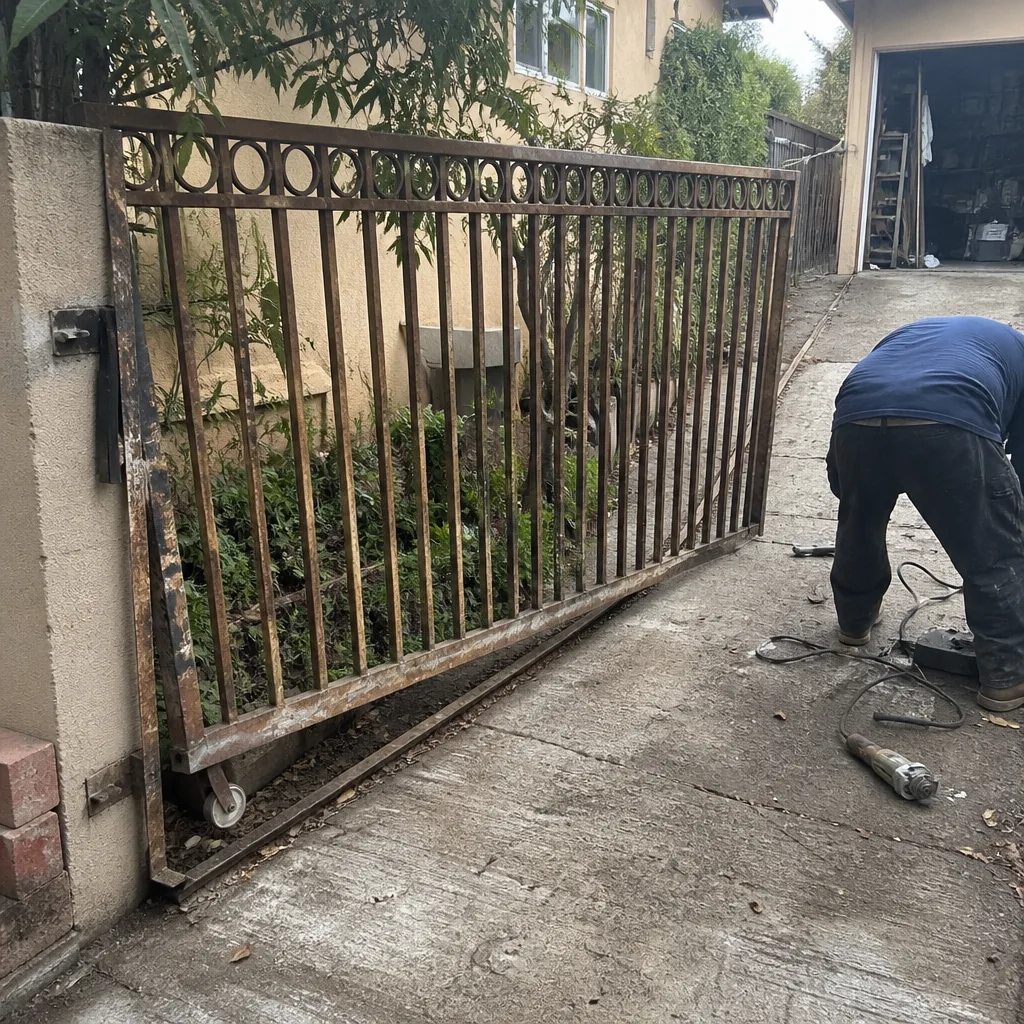 Before
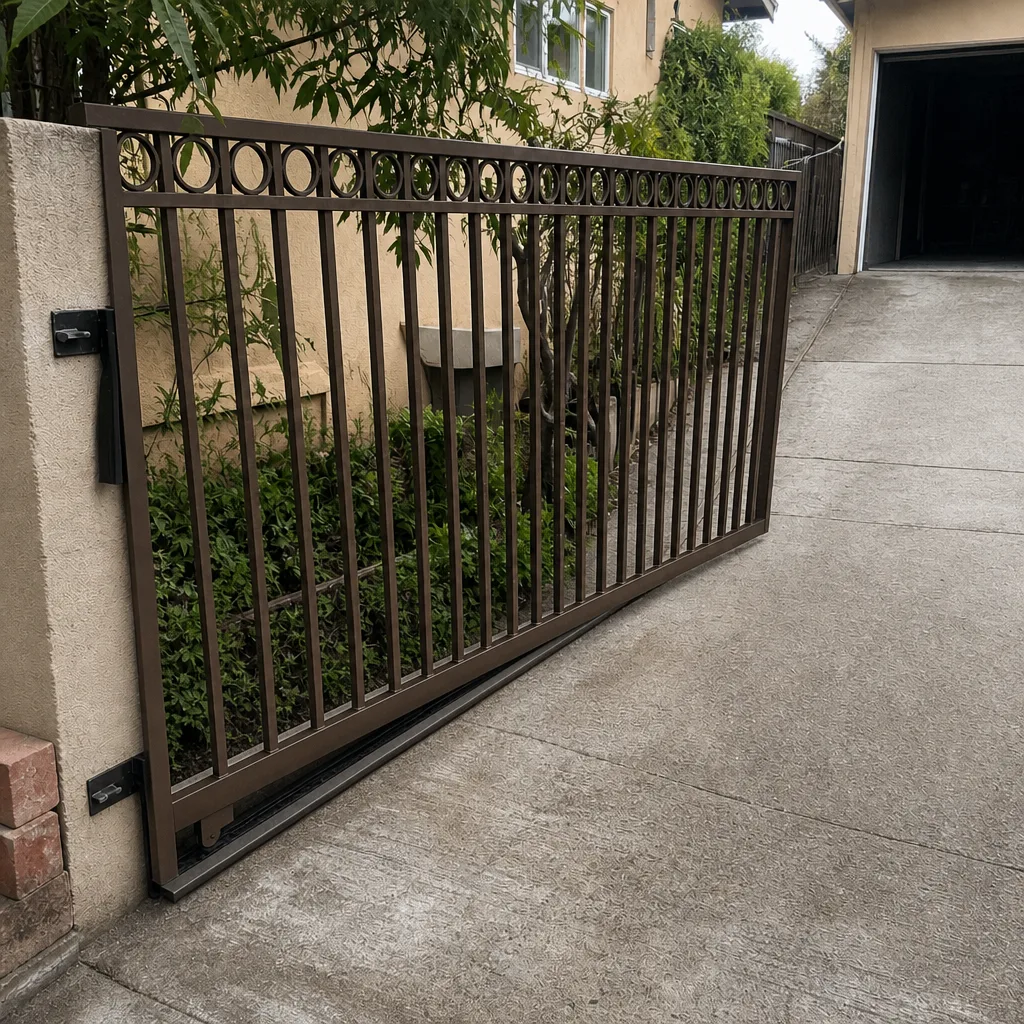 After
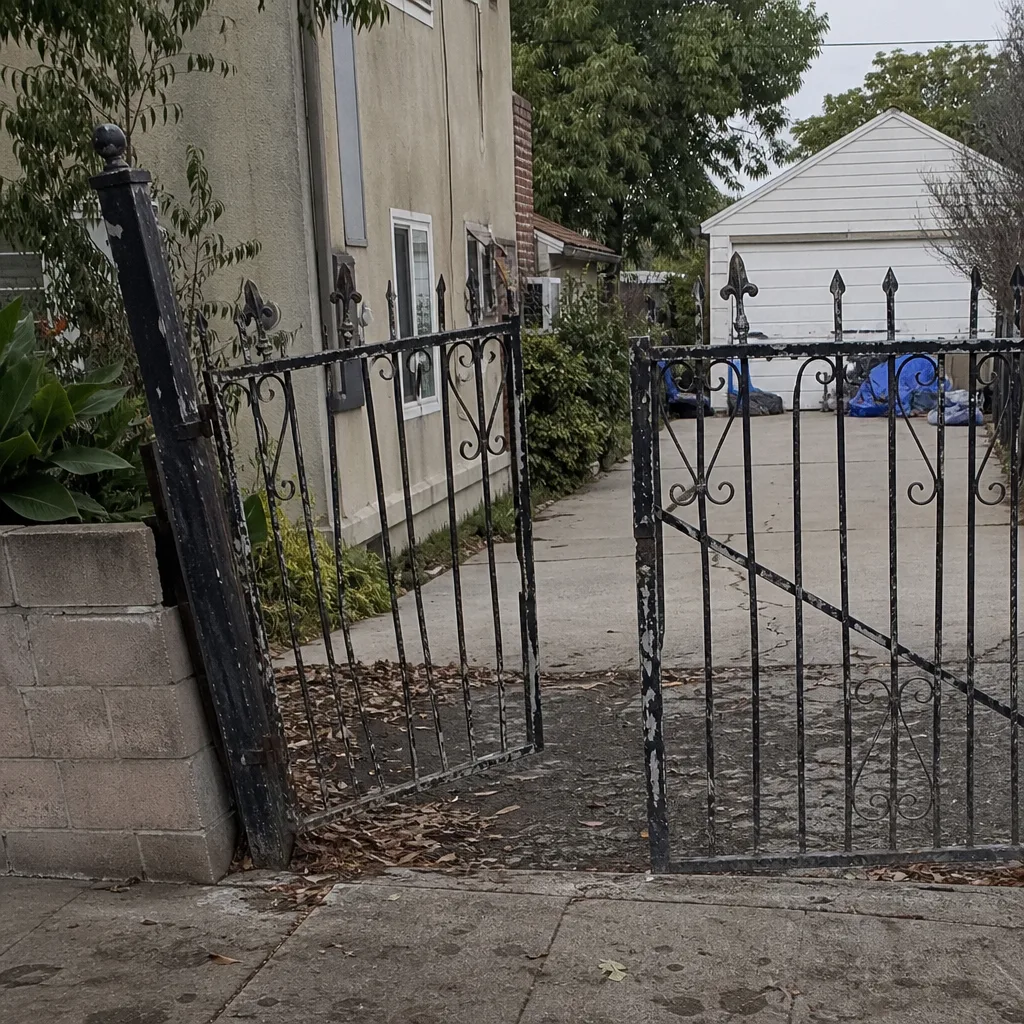 Before
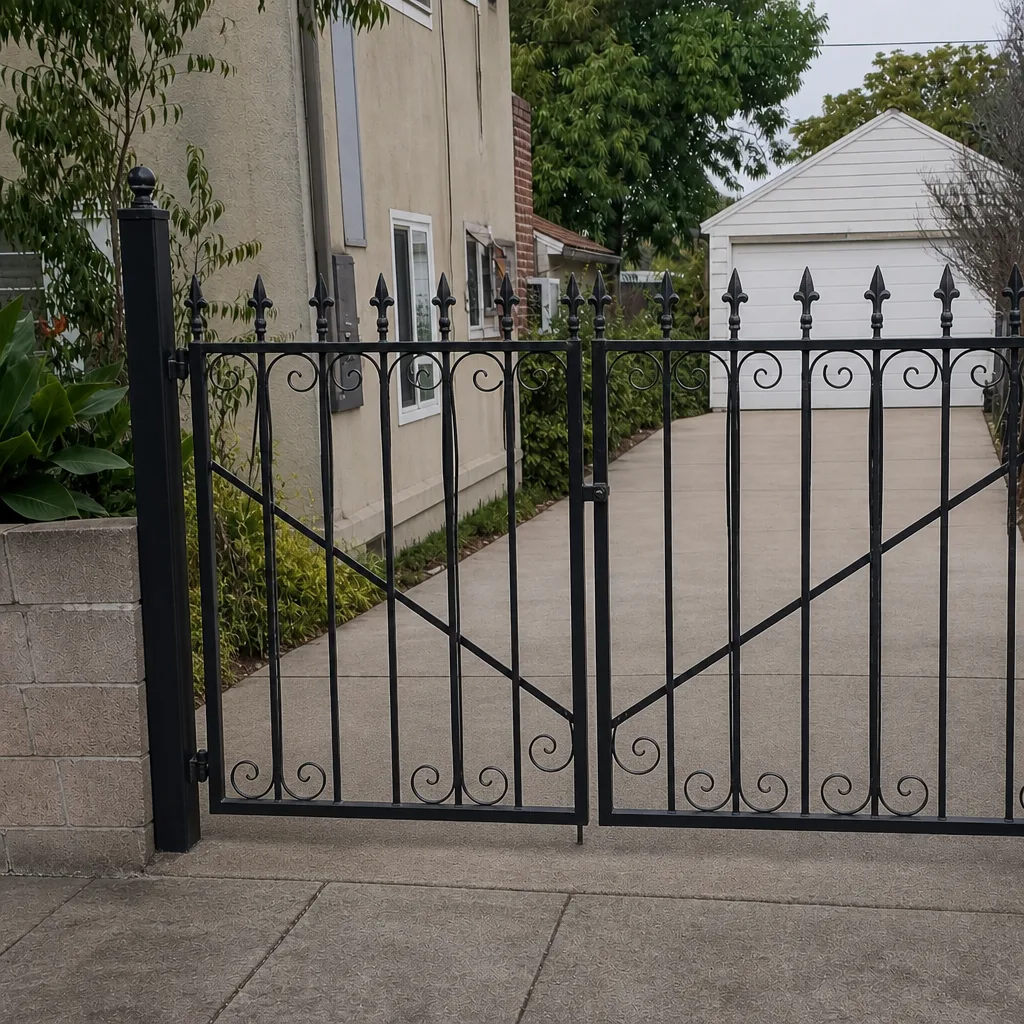 After
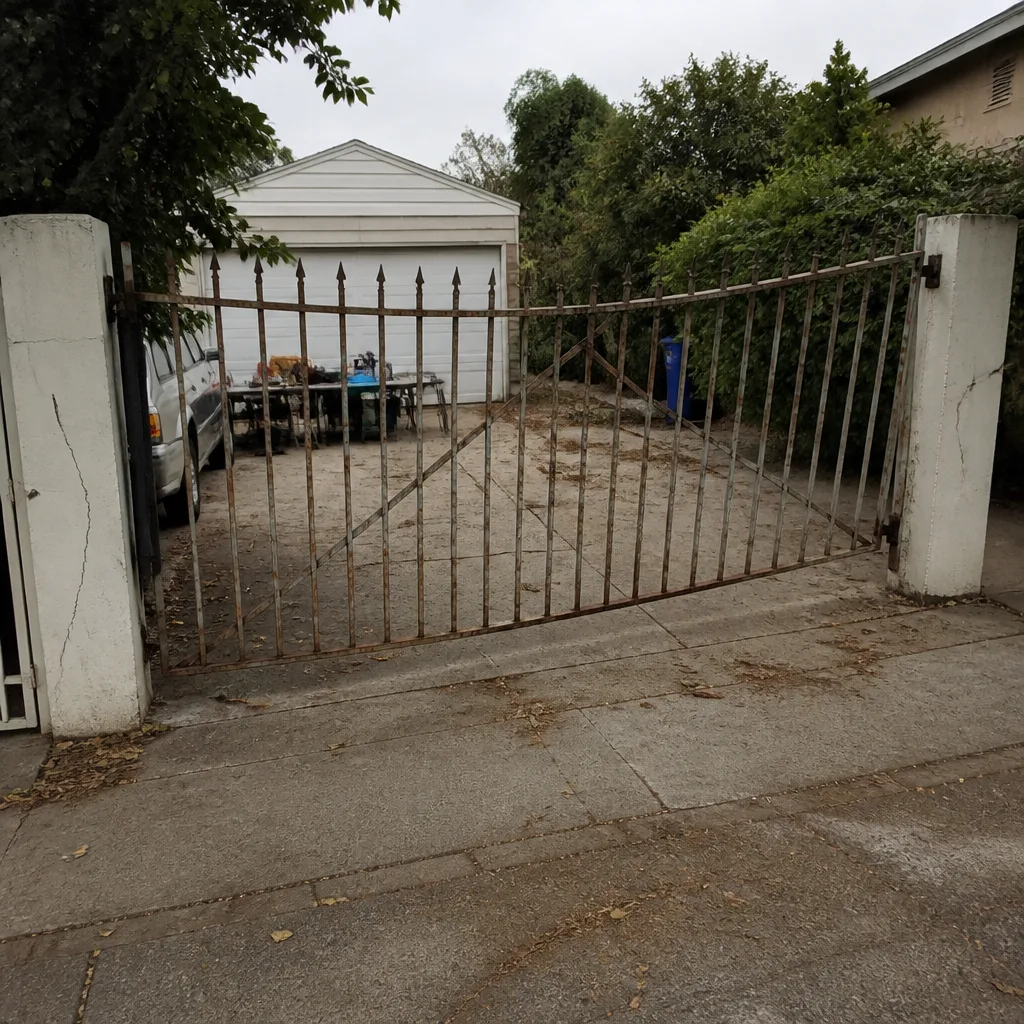 Before
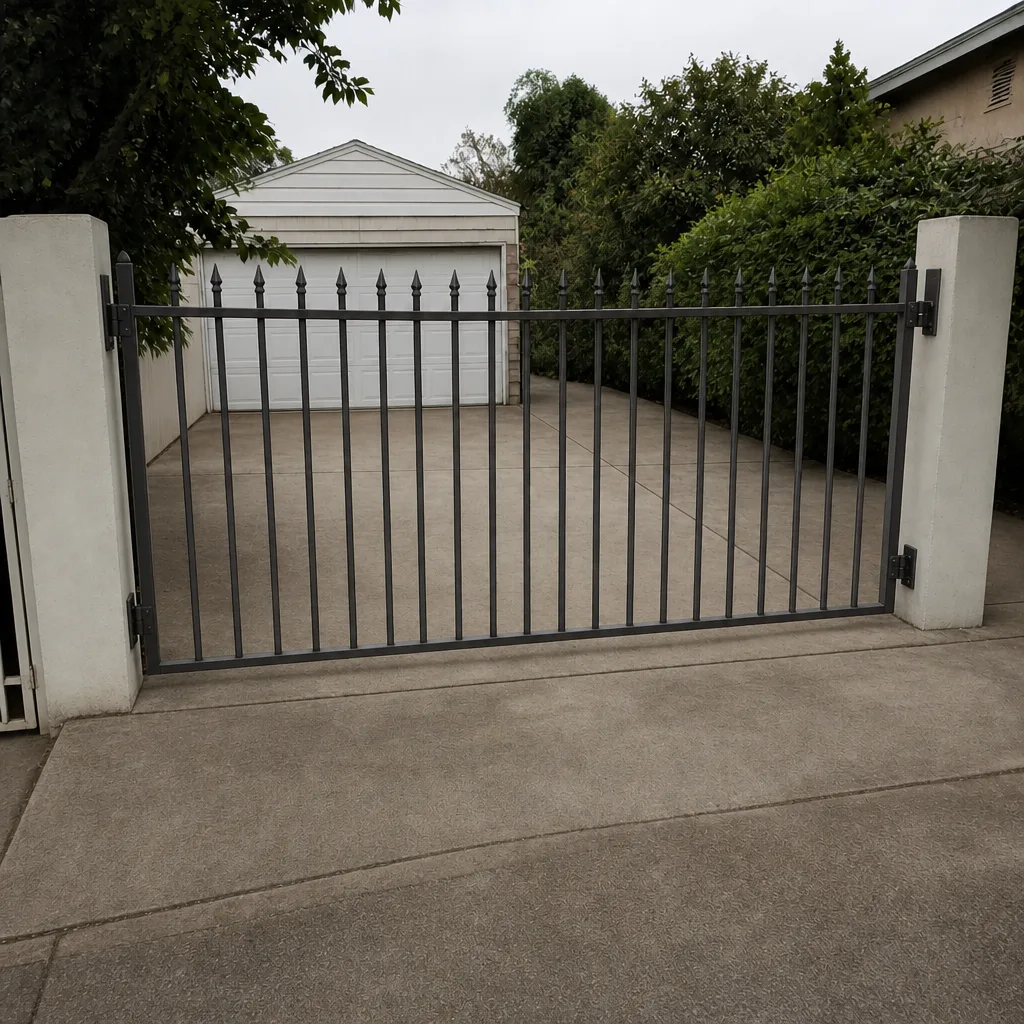 After