
Last updated November 5, 2026
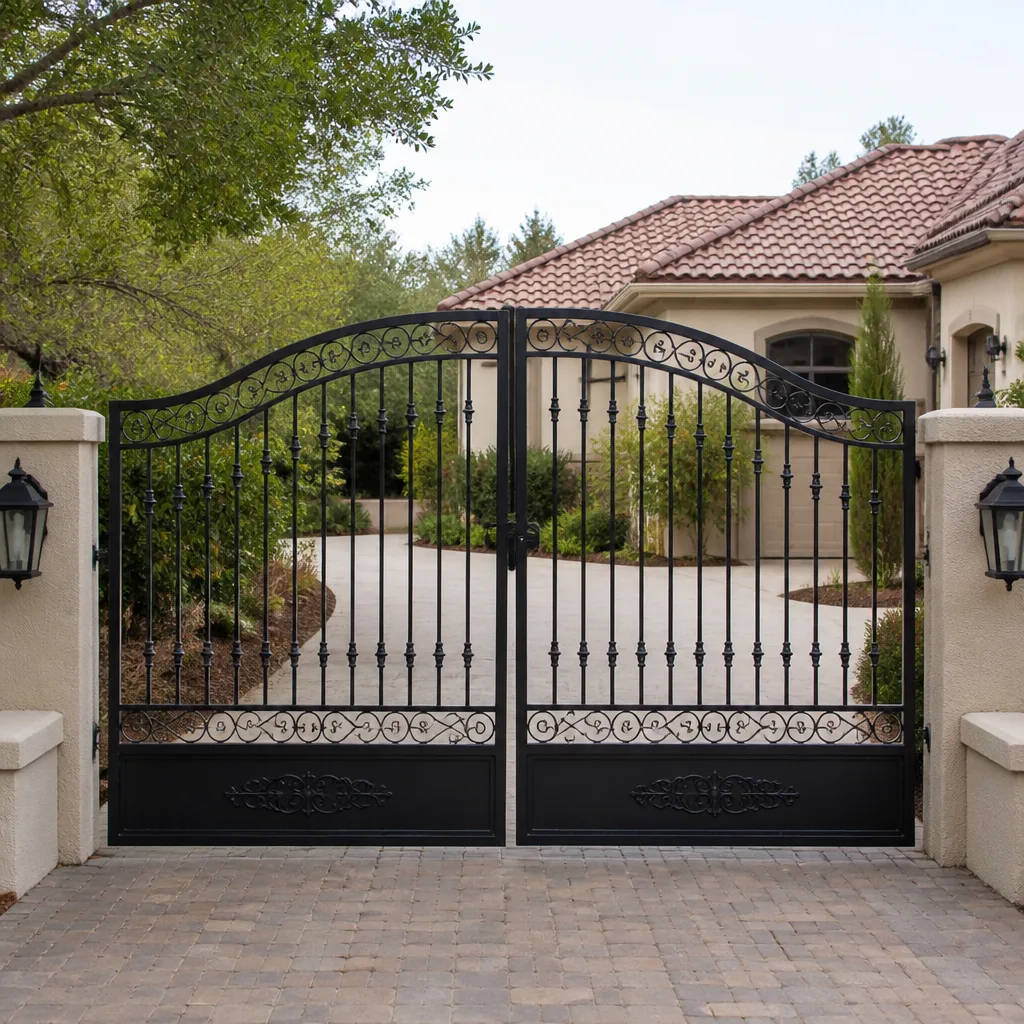 Wrought iron
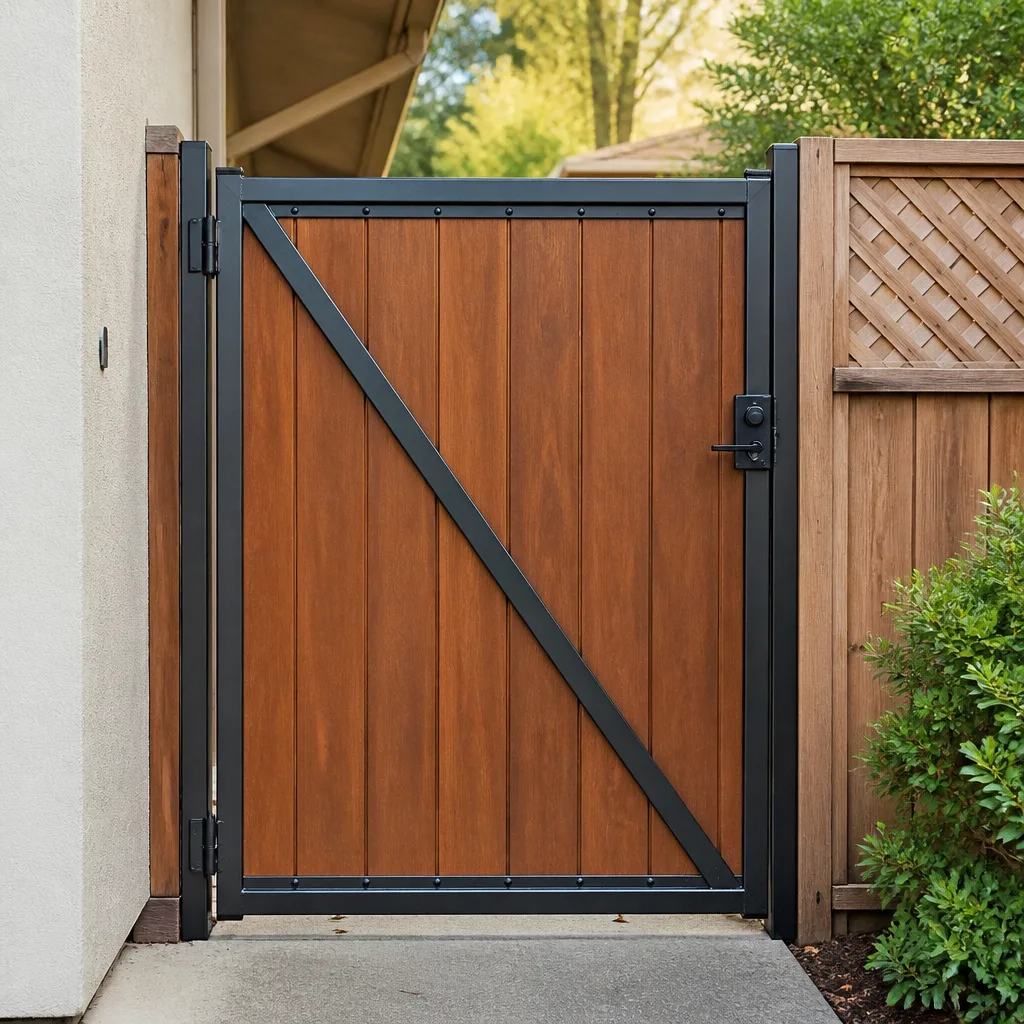 Wood & steel frame
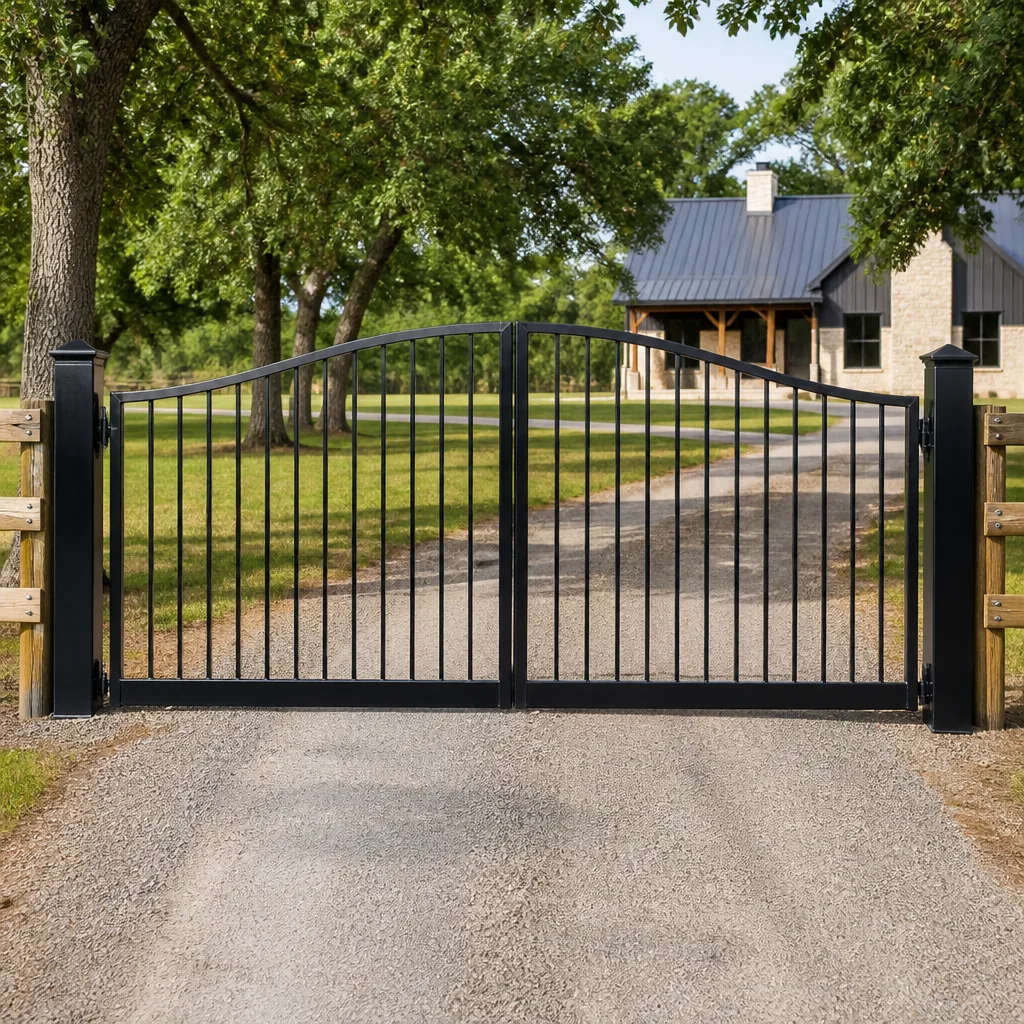 Farm & ranch
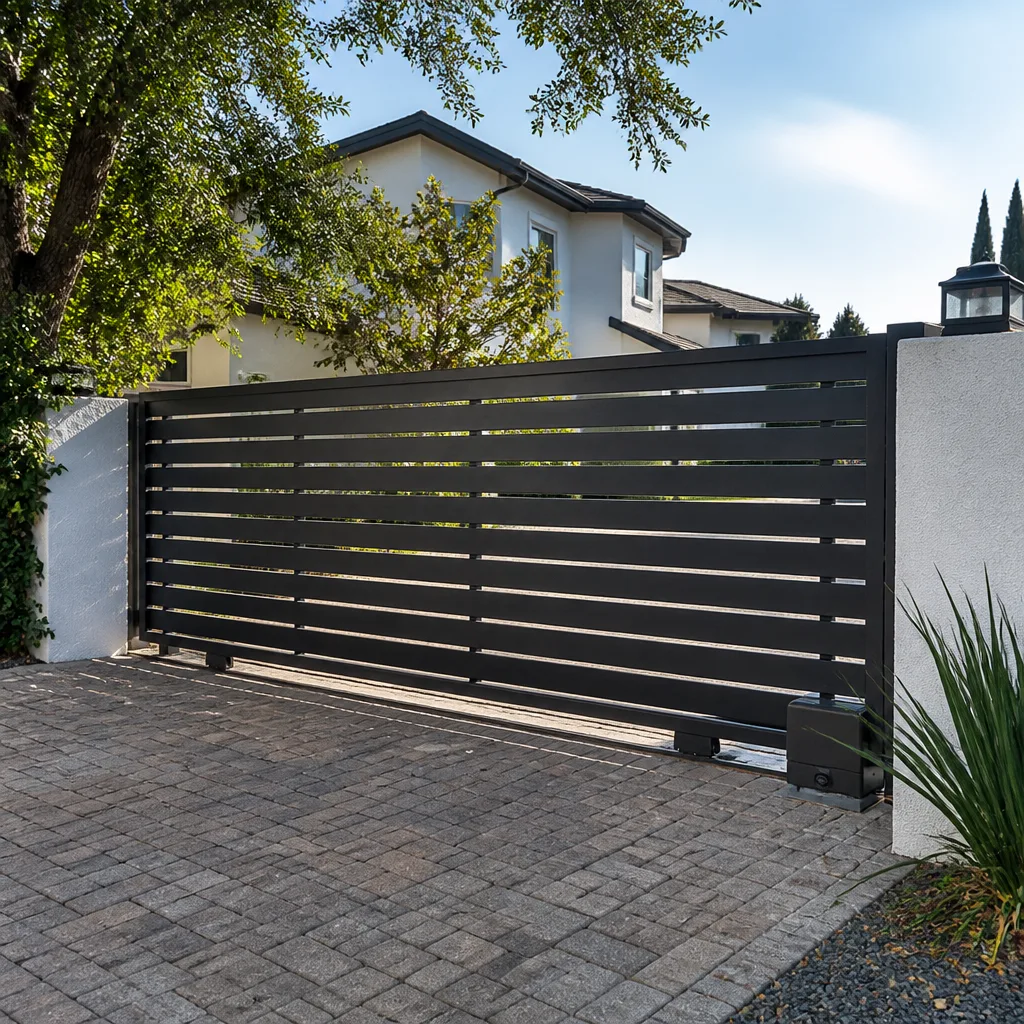 Sliding driveway gates
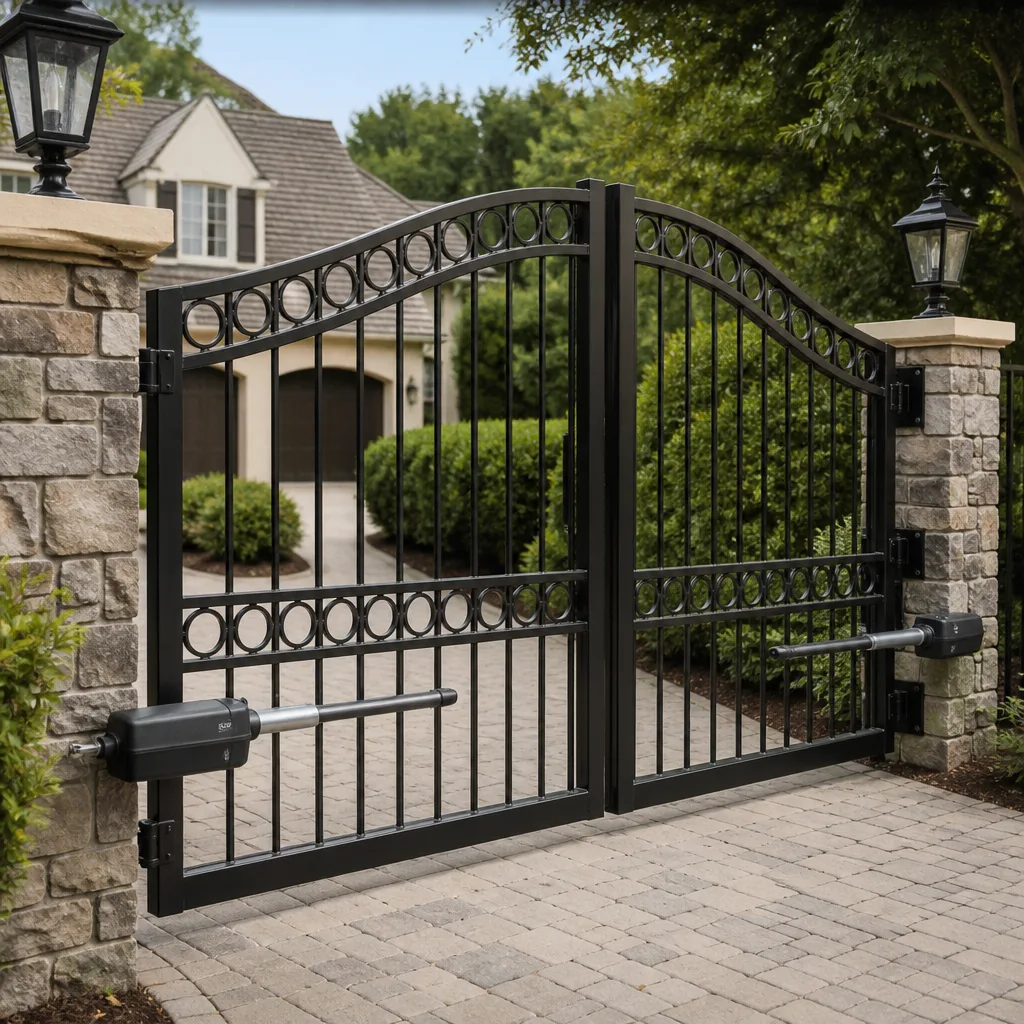 LiftMaster operators
Free on-site gate assessment - hinges, posts, and your LiftMaster or Nice gate operator checked before anything is quoted
The assessment is free and the quote is the invoice.
Get your free estimateGate Repair Permits, Codes & Inspections in Atwater Village, CA: What You Need to Know
Most Atwater Village homeowners assume a gate repair is a gate repair, no permit needed. That assumption holds for replacing a hinge or a keypad, but it falls apart when the operator gets swapped. Under Los Angeles County code, replacing a gate operator is classified as an alteration, not a repair, and an alteration triggers permit requirements that most people never think about until escrow stalls. This guide walks through the actual thresholds, the UL 325 safety rules that apply regardless of permits, and how Atwater Village’s HOA landscape layers a second approval on top of county code. You’ll leave knowing exactly where your gate project stands.
Styles & brands we work with
- Wrought iron
- Wood & steel frame
- Farm & ranch
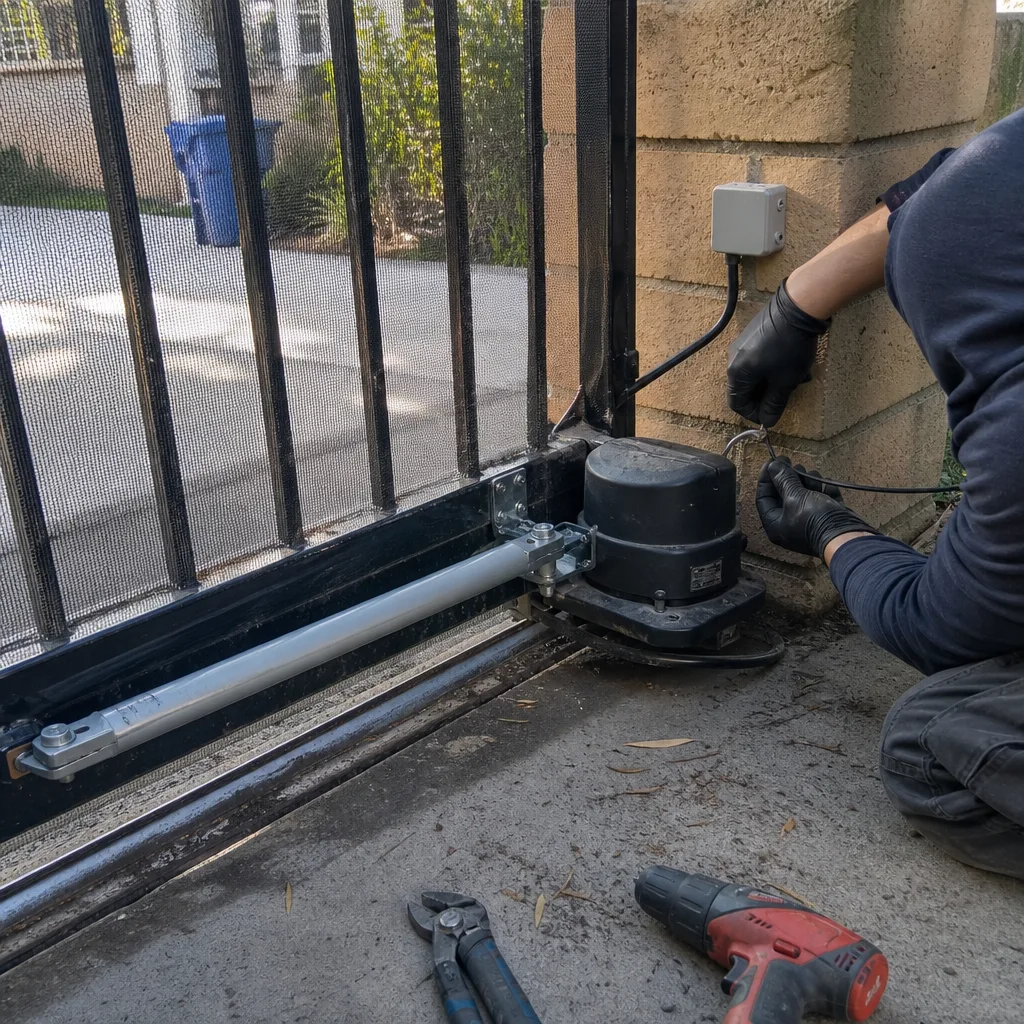
- Sliding driveway gates
- LiftMaster operators
Quick Answer
Most gate repairs in Atwater Village do not require a permit, but replacing an automatic gate operator typically does, because LA County treats operator replacement as an alteration rather than a repair. Any motorized gate in California must also comply with UL 325 safety standards for entrapment protection, independent of whether a permit was pulled. If you’re replacing an operator, a control board, or moving a gate closer to a public sidewalk, check with LA County Building and Safety and your HOA before work starts.
Table of Contents
- Repair vs. Alteration: The LA County Threshold
- Why Operator Replacement Usually Requires a Permit
- UL 325 Safety Compliance: What Applies in Atwater Village
- HOA Overlay Rules: The Second Approval Layer
- How to Retroactively Permit an Unpermitted Gate
- Gates Near Public Sidewalks and Alleys
- What a Gate Inspection Actually Covers
- Common Mistakes to Avoid
- When to Call a Professional
- Frequently Asked Questions
- The Bottom Line
Repair vs. Alteration: The LA County Threshold
The line between repair and alteration determines whether you need a permit, and LA County draws that line conservatively for automated systems. A repair keeps the gate functioning as originally designed. An alteration changes the system’s configuration, capacity, or safety profile. Replacing a broken hinge, swapping a worn wheel, or fixing a detached chain falls under repair. Replacing the operator, changing the gate’s swing direction, or adding automation to a previously manual gate falls under alteration.
For most residential properties in Atwater Village, the practical threshold is this: if the work restores what was already there, no permit. If the work changes what was there, assume a permit may be needed until you confirm otherwise. LA County Building and Safety publishes guidance on electrical and structural alterations that applies to automatic gates, and the electrical component is often what pushes a simple-looking job into permit territory. A new operator means new electrical connections, new safety sensor wiring, and new entrapment protection logic. That’s an alteration, and it gets reviewed as one.
In our experience working on gate repair projects across Atwater Village, we’ve seen homeowners get surprised by this distinction at the worst possible time: during a home sale. The gate worked fine for years, nobody thought about permits, and then a title review or buyer inspection flagged the unpermitted alteration. The repair-versus-alteration question isn’t academic. It follows the property.
What Counts as Repair (No Permit)
- Replacing a hinge, wheel, or roller
- Adjusting chain tension or gate alignment
- Replacing a keypad or remote control receiver
- Lubricating and tightening hardware
- Replacing a damaged gate leaf that matches the original size and footprint
What Counts as Alteration (Permit May Be Required)
- Replacing an automatic gate operator, even with the same brand
- Adding automation to a manual gate
- Changing a gate from sliding to swinging, or vice versa
- Relocating the gate or changing its footprint
- Adding or upgrading electrical service to the gate
Atwater Village has a high concentration of 1920s and 1930s homes, many with narrow driveways and gates that sit close to the property line. That older housing stock means more gates are retrofitted rather than original, and retrofit work often sits in a gray zone that a building inspector will want to see. If you’re not sure which side of the line you’re on, ask the city’s building department directly and get an answer in writing. It’s the cheapest insurance against a future escrow problem.
Why Operator Replacement Usually Requires a Permit
Replacing a gate operator is the single most common gate project that trips the permit threshold in Atwater Village. The reason is electrical. A gate operator is a motorized device that connects to your home’s electrical system, and LA County code treats any new or substantially modified electrical connection as an alteration requiring review. Even if you’re swapping a DoorKing for another DoorKing, the new unit is not the same device that was originally permitted, if the original was ever permitted at all.
Many homeowners assume a like-for-like swap is fine. The logic feels sound: same brand, same mounting, same gate. But the county’s position is that an operator is a life-safety device governed by UL 325 standards, and a new installation must demonstrate compliance with current safety requirements, not the requirements that existed when the old operator was installed. Safety sensor placement, force settings, and warning signage requirements have evolved, and an old install may not meet today’s standard.
We work on systems from Ghost Controls, Elite, Mighty Mule, and other major brands across Atwater Village, and the permit question comes up on nearly every operator replacement we quote. The responsible answer is: plan for the permit, because the alternative is a hidden liability that outlives the repair. An unpermitted operator replacement works fine until you sell the house, and then it becomes a negotiation point, a price reduction, or a canceled escrow.
The practical takeaway for an Atwater Village homeowner is to treat operator replacement as a two-track project: the mechanical and electrical work itself, plus the paperwork that legitimizes it. Both tracks need to be handled correctly. The mechanical work gets your gate running. The paperwork protects your property value.
UL 325 Safety Compliance: What Applies in Atwater Village
UL 325 is a safety standard for automatic gates that applies to every motorized gate in California, whether or not a permit was ever pulled. The standard governs entrapment protection, which is the system’s ability to detect a person or object in the gate’s path and stop or reverse before causing injury. For any electric gate repair in Atwater Village, UL 325 compliance is not optional. It’s the baseline for safe operation.
The core UL 325 requirements for residential gates include: a primary entrapment protection device (such as a contact sensor on the gate edge or a non-contact photo eye), a secondary entrapment protection system (such as the operator’s built-in force sensing), and an audible alarm that sounds if the gate hits an obstruction twice in a row. Sliding gates get particular scrutiny because the closing force at the trailing edge can be severe, and a gate that leaves its track during operation presents a crushing hazard.
Atwater Village’s tight lots mean many gates swing toward the street or toward a pedestrian path on the property. That configuration amplifies the UL 325 obligation, because the gate’s movement arc crosses space where people walk, carry groceries, and push strollers. Proper sensor placement and force settings are not enhancements. They are the difference between a gate that stops and a gate that hurts someone.
If you’re evaluating an older gate system in Atwater Village, the UL 325 compliance question is worth raising directly with a gate specialist. Older operators may lack modern entrapment protection, and the fix isn’t always a full replacement. Sometimes adding a photo eye and adjusting force settings brings a system into compliance. Other times the operator is too old to retrofit safely, and replacement is the only responsible path. That’s a diagnosis call, not a parts call.
HOA Overlay Rules: The Second Approval Layer
Atwater Village has a patchwork of homeowners associations, particularly in the larger planned developments and newer townhome clusters that sit alongside the neighborhood’s historic single-family homes. Those HOAs typically have architectural review requirements that apply to gates, and those requirements function as a second approval layer that sits on top of county code. You can have a fully permitted county-compliant gate and still be in violation of your HOA’s design standards.
Common HOA gate restrictions in Atwater Village include: maximum gate height limits, material and finish requirements that match a prescribed aesthetic, restrictions on gate style (some HOAs prohibit certain sliding gate configurations), and rules about operator visibility from the street. An operator that meets UL 325 and county code can still fail HOA review if it’s mounted in a visible location that the association considers out of character.
The sequence matters. HOA approval typically needs to come before you pull a county permit, because the HOA will want to see the same plans the county reviews. If your HOA rejects a gate design, you want that rejection before you’ve paid permit fees and scheduled inspections, not after. The practical workflow for an Atwater Village homeowner is: check HOA covenants first, get written HOA approval second, pull the county permit third, and schedule the work fourth.
Some Atwater Village HOAs also maintain a list of approved gate contractors or require proof of insurance before work begins in a common area. If your gate sits on a shared driveway easement or borders a common wall, that requirement kicks in. It’s worth reading your HOA documents carefully before you commit to a gate project, because the HOA layer is where Atwater Village projects most often stall.
How to Retroactively Permit an Unpermitted Gate
If you already have an unpermitted gate installation or operator replacement, retroactive permitting is possible, and it’s far better to address it now than to wait for a buyer’s inspection to surface it. The process starts with an honest assessment of what was done and whether it meets current code. If the work meets code and UL 325 standards, retroactive permitting is often straightforward. If it does not, you’ll need to correct the deficiencies before the county will sign off.
The typical retroactive permitting sequence for an Atwater Village gate looks like this:
- Document what exists. Photograph the gate, operator, sensors, and electrical connection. Note the brand and model if visible. This gives the building department a clear picture of what’s there.
- Contact LA County Building and Safety. Ask what documentation is required for an as-built permit application for an automatic gate alteration. Requirements vary by district and by how long ago the work was done.
- Schedule a code compliance evaluation. A gate specialist can assess whether the installation meets UL 325 and current electrical code. This is the step where deficiencies get identified.
- Correct any deficiencies. If sensors are missing, force settings are wrong, or wiring is not up to code, fix those issues first. The retroactive permit will not issue if the installation fails inspection.
- Submit the permit application. Include any required plans, product documentation, and the compliance evaluation. Pay the applicable fees.
- Pass the inspection. The county will send an inspector to verify the installation. If it passes, the permit closes and the gate is retroactively legit.
Retroactive permitting takes longer and costs more than doing it right the first time, which is exactly why we recommend pulling permits before operator replacement starts. But if you’re already in the unpermitted position, the sooner you resolve it, the smaller the problem becomes. A gate that fails a retroactive inspection today can be fixed. A gate that fails a buyer’s inspection during escrow becomes a negotiation you won’t win.
Gates Near Public Sidewalks and Alleys
If your Atwater Village gate swings over, toward, or adjacent to a public sidewalk, alley, or street, additional review may be required by the LA Department of Public Works. The concern is pedestrian safety and the public right-of-way. A gate that swings outward across a sidewalk, even partially, can block pedestrian passage and create a liability for the property owner and the city.
Atwater Village’s older lots are famously narrow, and many driveways are short, which pushes gates close to the sidewalk line. A swing gate in that position needs particular attention to its swing arc and pedestrian clearance. If the gate’s movement path crosses any portion of the public right-of-way, even for a second, Public Works may require a setback adjustment, a swing direction change, or a sliding gate configuration instead.
The alley-loaded lots in the southern part of Atwater Village present a related set of questions. Gates that open onto alleys need to be positioned so they don’t block alley access for neighbors or service vehicles. A sliding gate that extends into the alley right-of-way while opening can trigger a Public Works review even if the gate itself sits entirely on private property.
The general rule for Atwater Village homeowners is: if your gate interacts with a public sidewalk, alley, or street in any way, ask about Public Works requirements before you assume the county building permit is the only approval you need. A gate that’s perfectly compliant on private property can still create a public right-of-way problem, and that problem can undo otherwise clean work.
What a Gate Inspection Actually Covers
When LA County inspects a permitted gate installation, the inspector is looking at the electrical connection, the operator mounting, the UL 325 entrapment protection, and the gate’s physical operation. Here’s what the inspection typically evaluates:
- Electrical connection: Is the operator wired to code, with proper grounding, conduit, and any required disconnect switch?
- Operator mounting: Is the operator securely fastened to a proper base or bracket, with no risk of movement under load?
- Entrapment protection: Are photo eyes or contact sensors present and functional? Does the operator reverse when the detection system triggers?
- Force settings: Does the gate reverse when it encounters resistance, at the force level required by UL 325?
- Warning signage: Are the required warning signs installed and visible?
- Gate travel: Does the gate move smoothly through its full travel without binding, derailing, or striking fixed objects?
- Pedestrian clearance: If the gate swings, does the swing arc stay clear of public walkways?
For Atwater Village homes with older electrical panels, the inspection can surface issues beyond the gate itself. An undersized circuit, an outdated panel, or a missing ground can fail a gate inspection even if the gate is flawless. That’s not a gate problem, but it’s a project blocker, and it’s worth knowing about before you schedule the inspection. A quick look at your panel configuration before the gate work starts can save a failed inspection and a second trip.
We’ve been through enough Atwater Village gate inspections to know that inspectors focus most heavily on entrapment protection. If your photo eyes are properly aligned, your force settings are correct, and your warning signs are in place, the inspection usually goes smoothly. The failures we see are almost always in the safety layer, not the mechanical layer.
Common Mistakes to Avoid
- Assuming operator replacement is a repair. This is the most expensive mistake in Atwater Village gate work. LA County treats operator replacement as an alteration, and unpermitted alterations surface in escrow. Confirm the classification before work starts.
- Skipping the HOA review. County code compliance doesn’t satisfy an HOA that has its own design standards. Get written HOA approval before you pull the county permit, not after.
- Ignoring UL 325 after a repair. Replacing a control board or adding a new remote doesn’t update the entrapment protection. If your gate predates current UL 325 standards, a repair may leave it non-compliant.
- Failing to check the public right-of-way. A gate that swings toward a sidewalk or alley may trigger Public Works review even if the gate is fully on private property. Position and swing arc matter.
- Waiting until a home sale to address an unpermitted gate. Retroactive permitting is harder under escrow deadlines. Fixing it now costs less than conceding it in a negotiation.
- DIY electrical work on the operator. Gate operators connect to line voltage, and incorrect wiring creates shock and fire risks. Plus, unpermitted DIY electrical work is the hardest kind to retroactively permit.
When to Call a Professional
If you’re replacing a gate operator, adding automation to a manual gate, or resurfacing an older unpermitted installation, a gate specialist can evaluate your situation and give you a clear permit position before you commit. Atwater Village’s older housing stock, HOA overlay, and tight property lines create combinations that a general contractor may not recognize. A specialist who works on Ghost Controls, DoorKing, and Mighty Mule systems daily will spot the UL 325 issues and the permit triggers quickly. Gate Repair Atwater Village offers free estimates in Atwater Village. Call (877) 752-2593 to schedule a site visit and get a written price before any work starts.
Frequently Asked Questions
Yes, in most cases. LA County classifies operator replacement as an electrical alteration, not a repair, and an alteration requires a permit. Confirm with LA County Building and Safety before work starts, and call (877) 752-2593 if you want a gate specialist to evaluate your specific setup.
An unpermitted gate installation can surface during a buyer’s inspection or title review and become a negotiation point, a price reduction, or a canceled escrow. Retroactive permitting is possible, but it’s faster and cheaper to resolve before you list. The process involves documenting the existing install, correcting any code deficiencies, and submitting an as-built permit application.
Yes. UL 325 is a safety standard that applies to every motorized gate in California, including residential gates, and it governs entrapment protection requirements like photo eyes, force settings, and reverse-on-obstruction behavior. A gate that predates UL 325 may need retrofitting to meet current standards.
Start by reading your HOA’s Covenants, Conditions, and Restrictions (CC&Rs), which should address architectural standards, including gates. If your gate is in a planned development, townhome community, or on a shared driveway easement, HOA review is likely required before county permitting.
Possibly. If your gate’s swing arc crosses or comes close to a public sidewalk, alley, or street, the LA Department of Public Works may require a setback adjustment, a swing direction change, or a sliding gate configuration. Contact Public Works before finalizing your gate design.
The inspection checks the electrical connection, operator mounting, entrapment protection (photo eyes or contact sensors), force settings, required warning signage, gate travel operation, and pedestrian clearance. The inspector’s primary focus is UL 325 safety compliance, not just whether the gate opens and closes.
The Bottom Line
Gate permits in Atwater Village come down to one distinction: repair versus alteration. Repairs restore existing function. Alterations change it, and operator replacement is almost always an alteration. Add UL 325 safety compliance, HOA architectural review, and public right-of-way considerations, and the picture becomes clear: gate work in Atwater Village needs planning, not improvisation. If you’re doing a full Gate Repair Atwater Village project, a new install, or resolving an unpermitted gate, confirm your permit position first. The paperwork protects your property value. Call (877) 752-2593 for a free estimate. We answer 24/7. Fast dispatch from 7am to 7pm, Sunday through Friday.
Written by the team at Atwater Village Gate Repair, serving Atwater Village since 2012.
See the difference
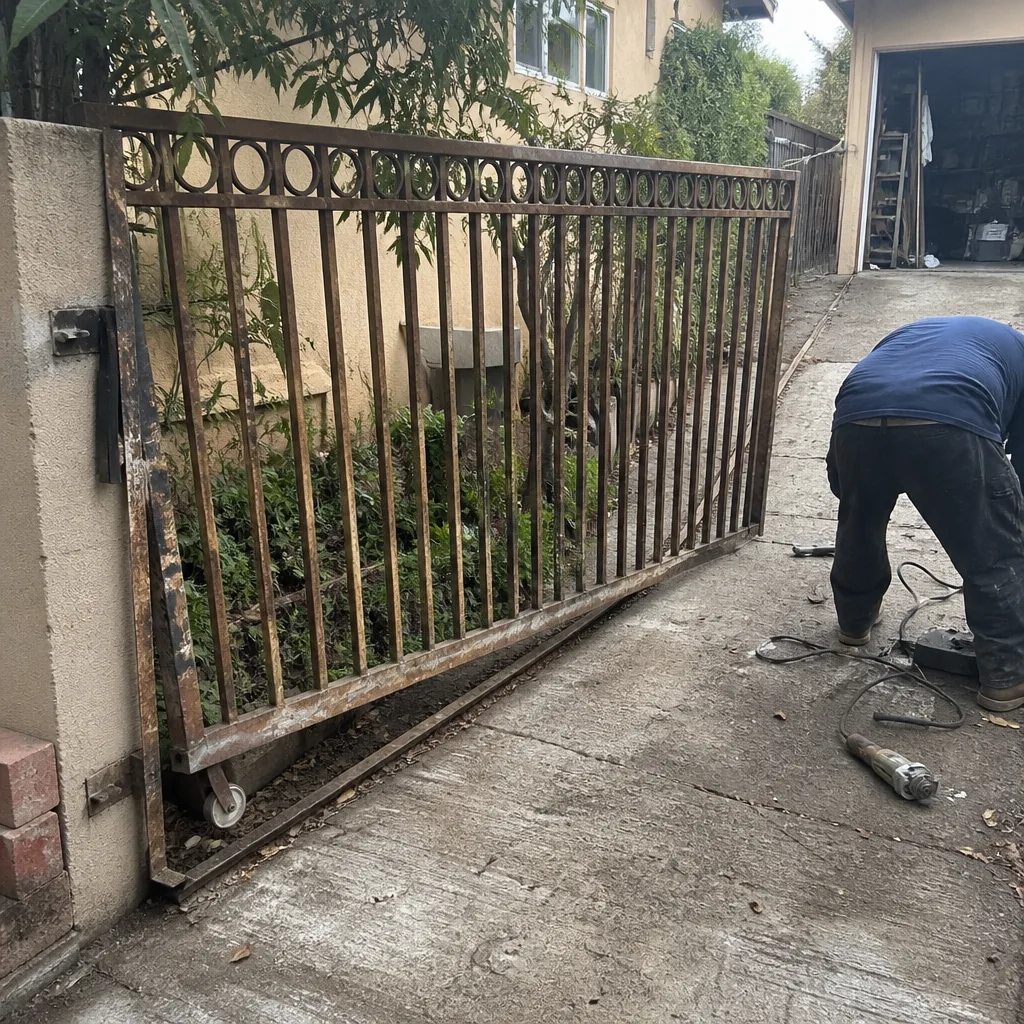 Before
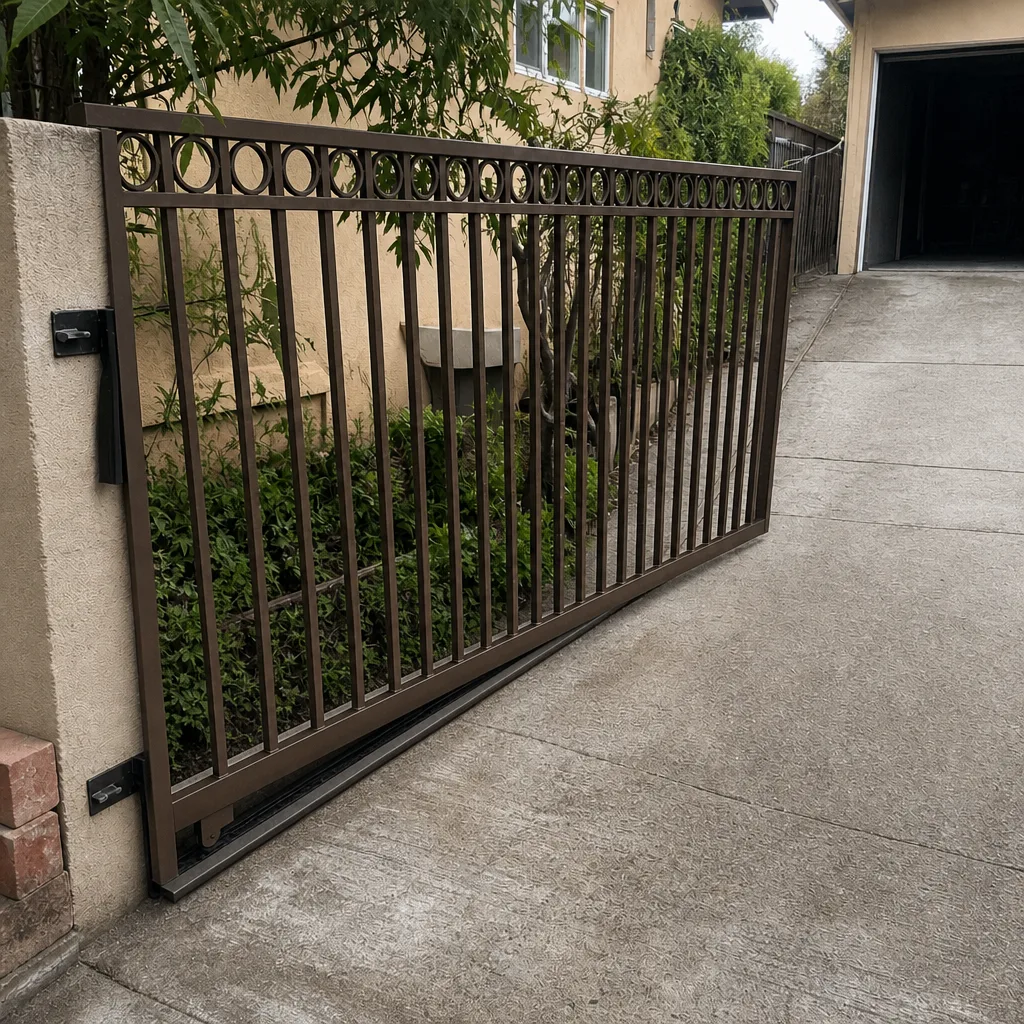 After
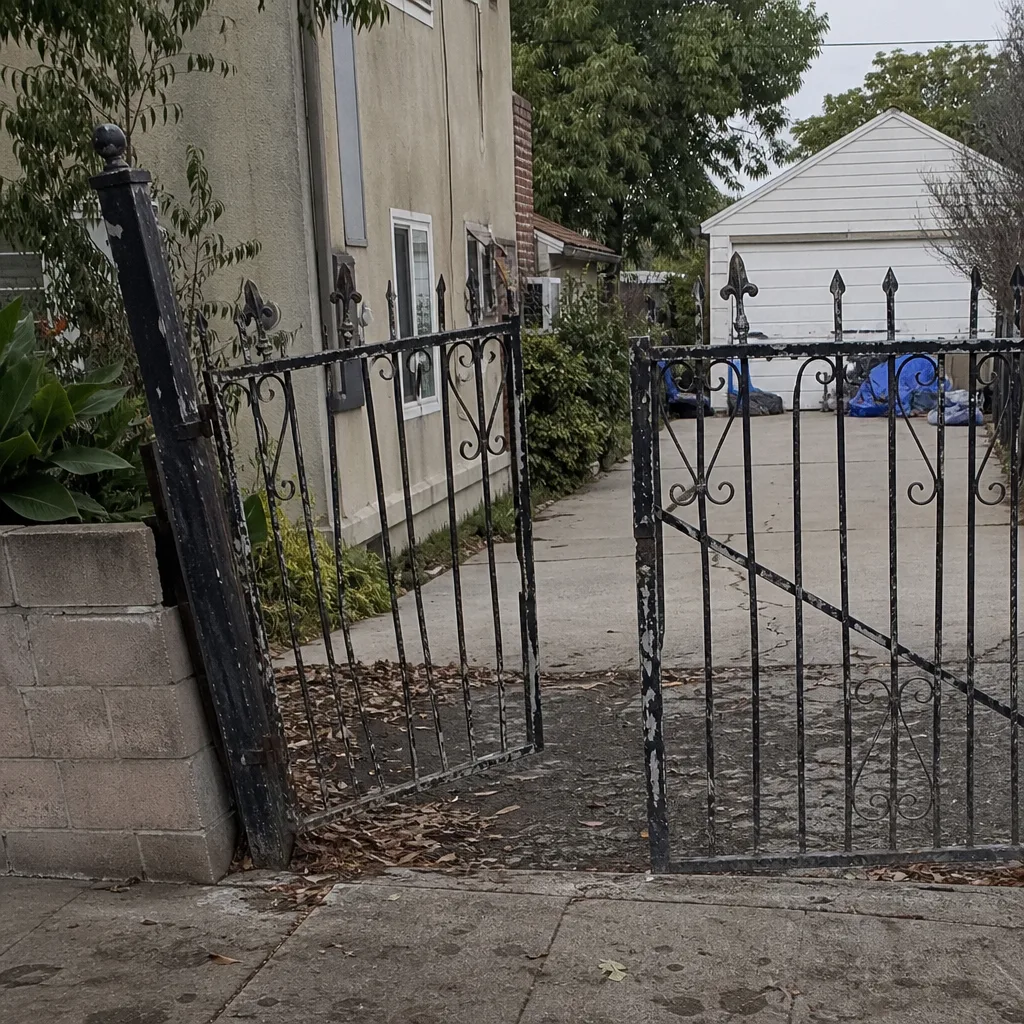 Before
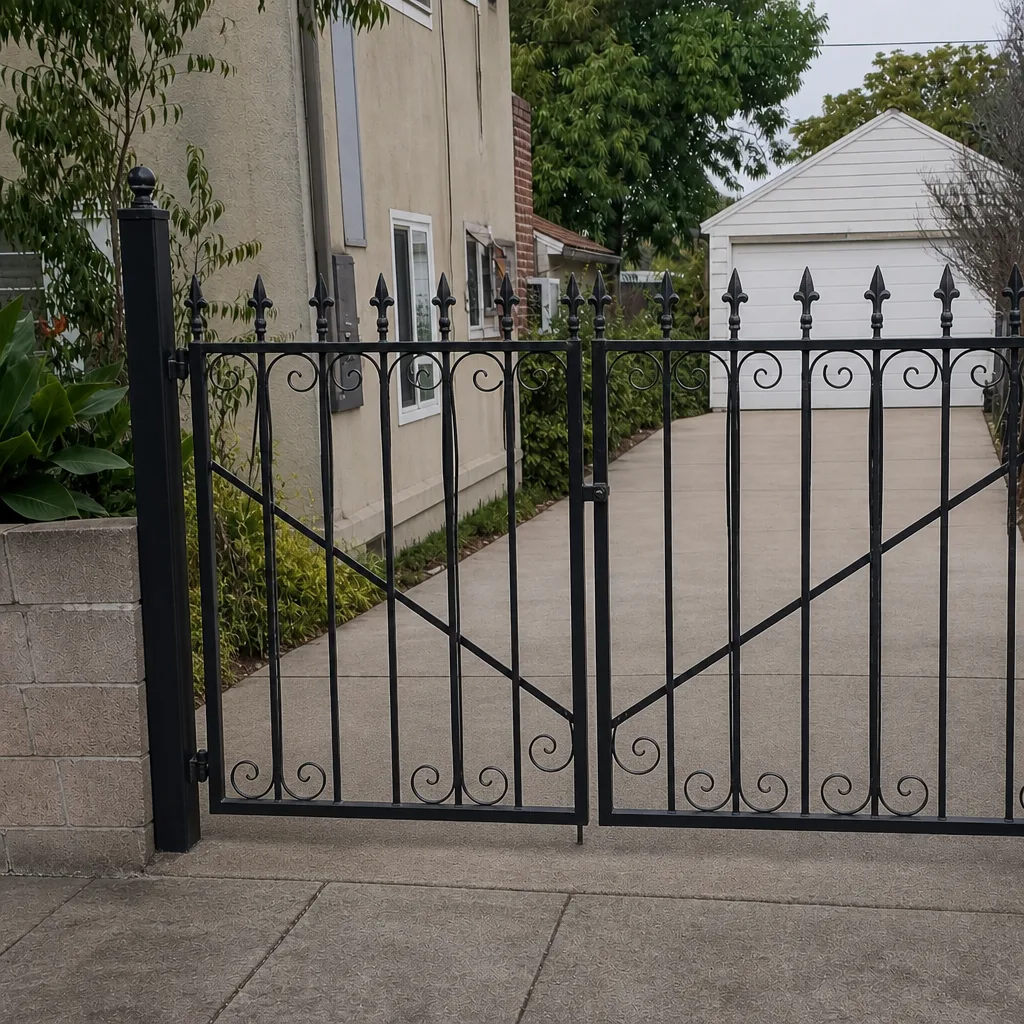 After
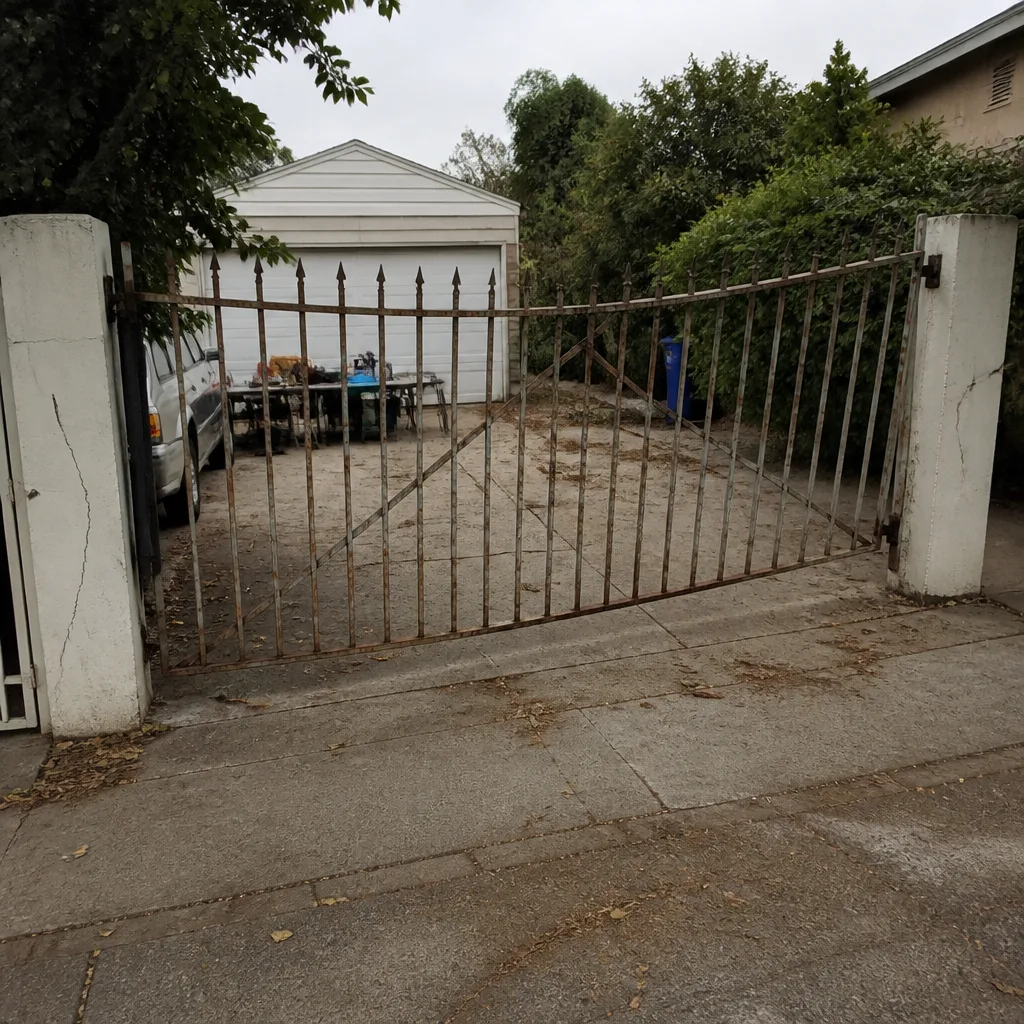 Before
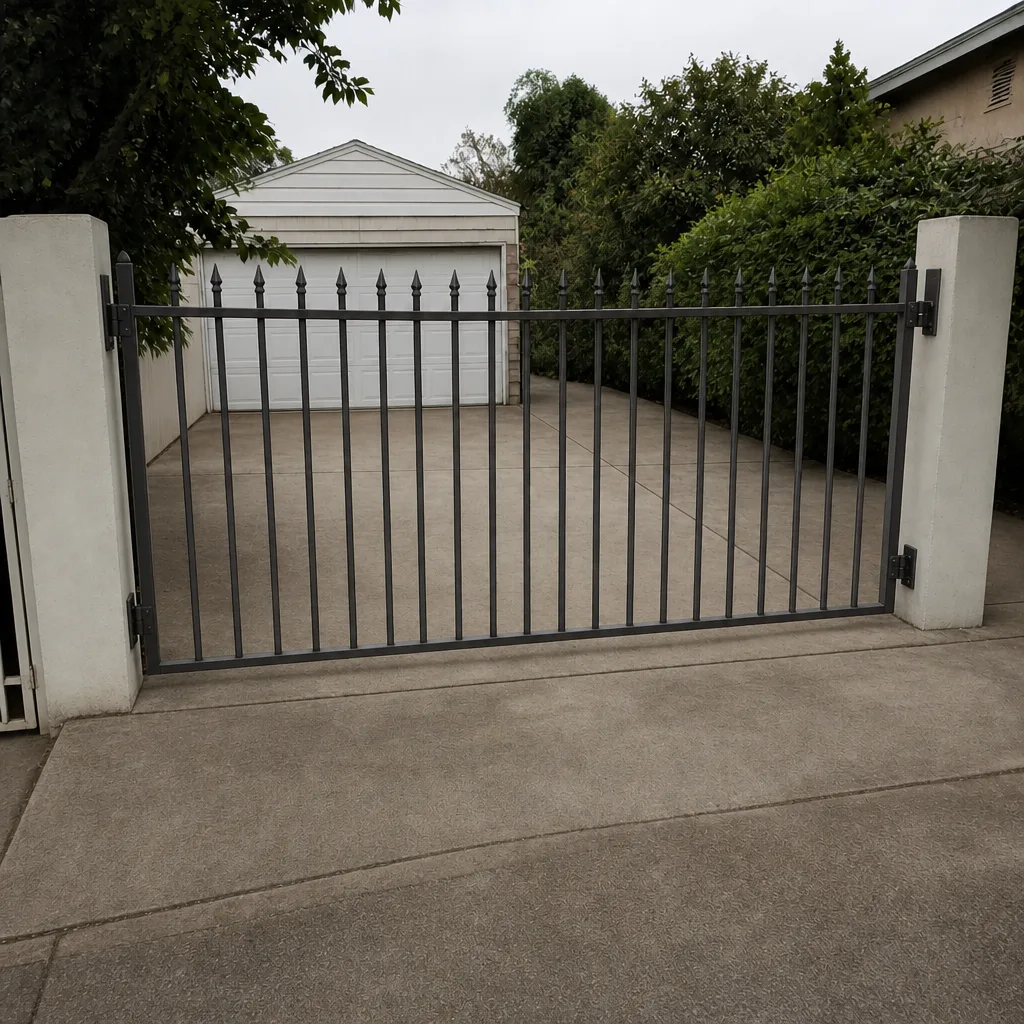 After