
Last updated November 5, 2026
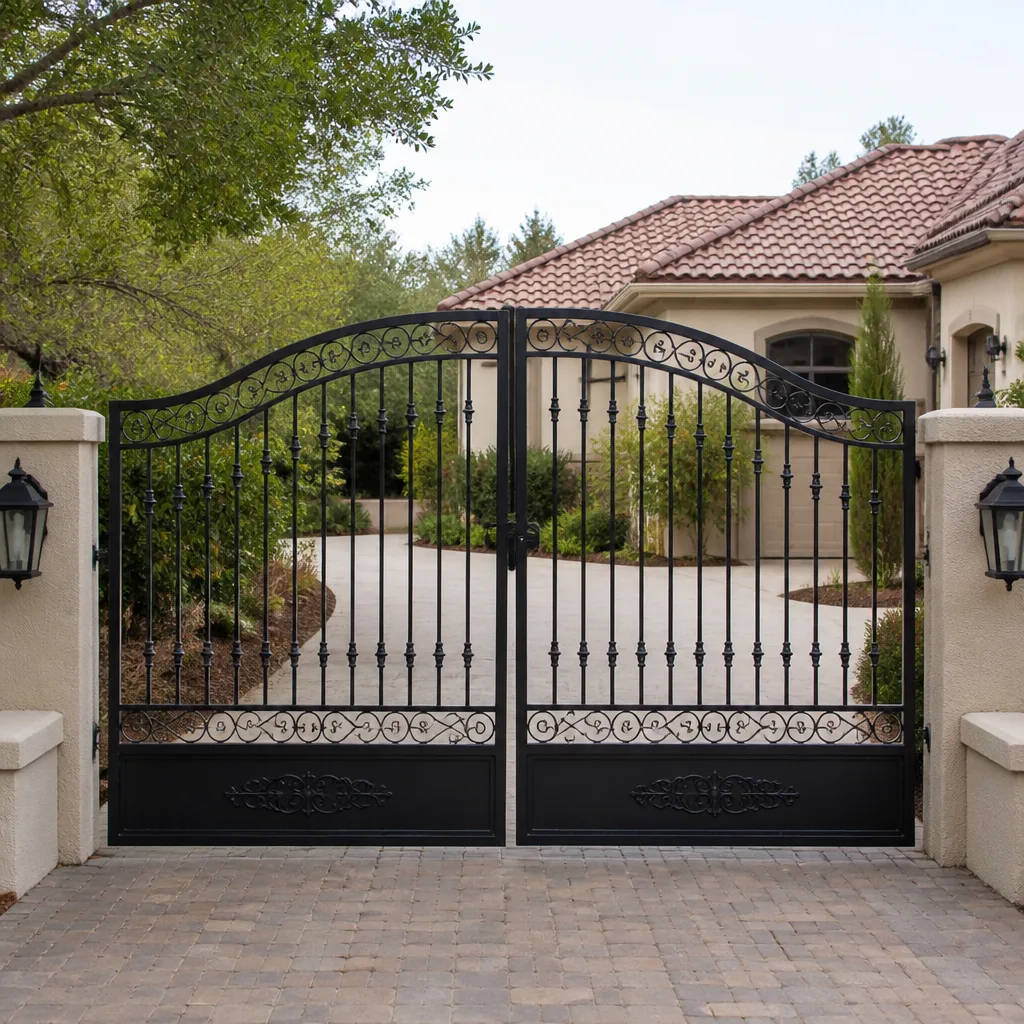 Wrought iron
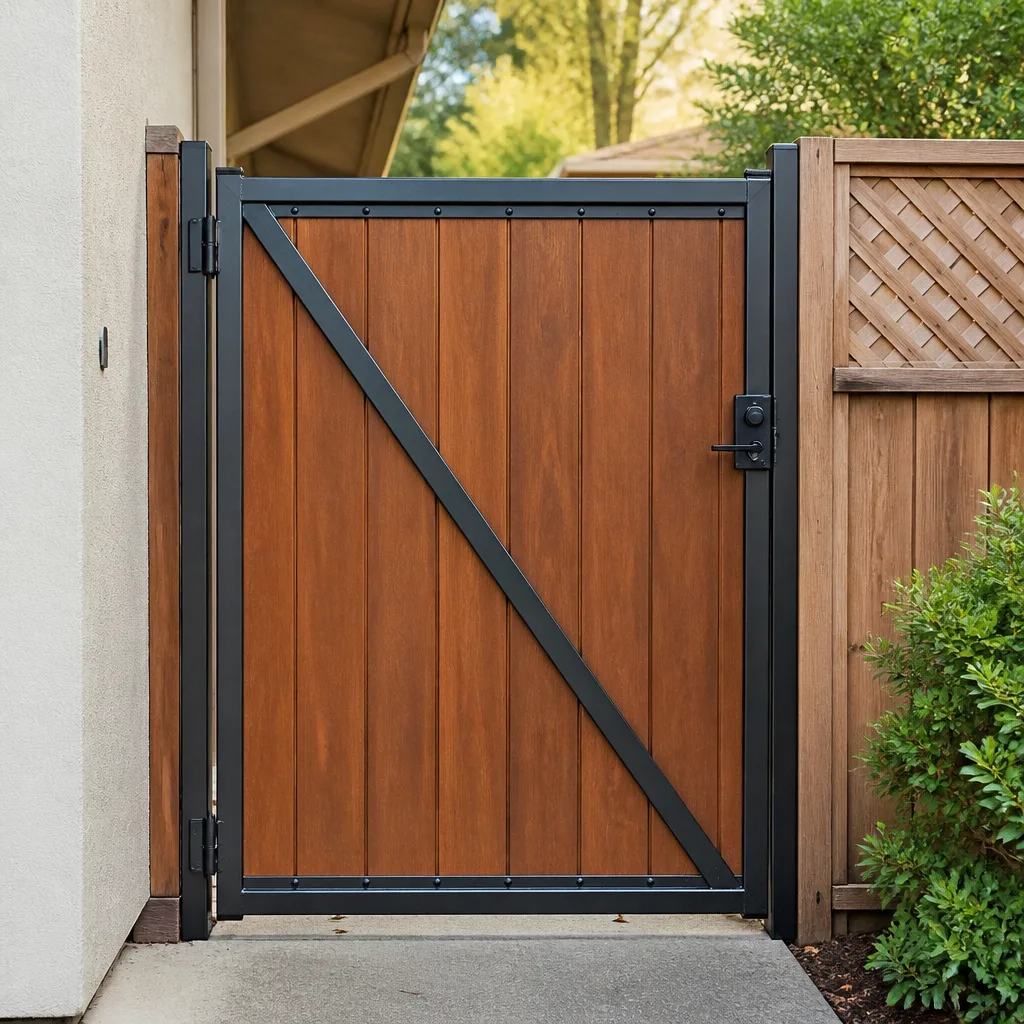 Wood & steel frame
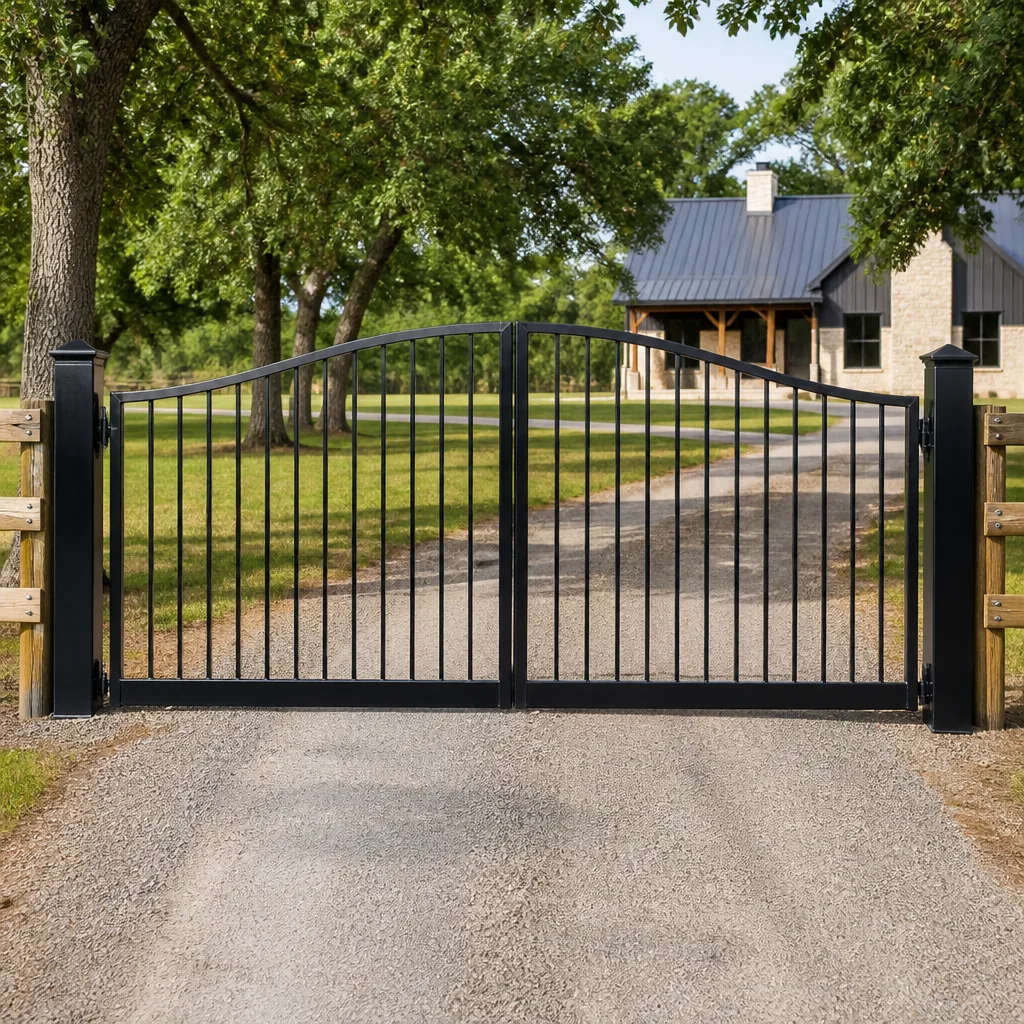 Farm & ranch
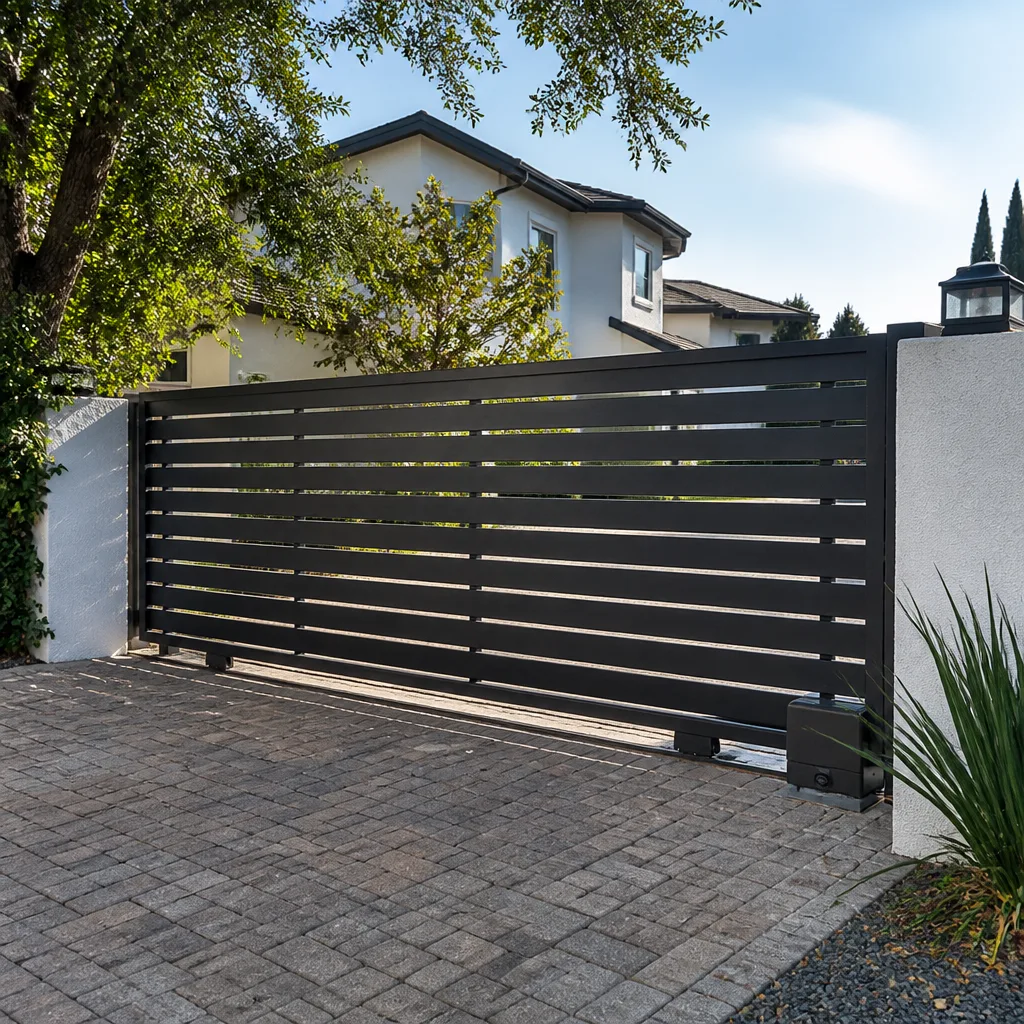 Sliding driveway gates
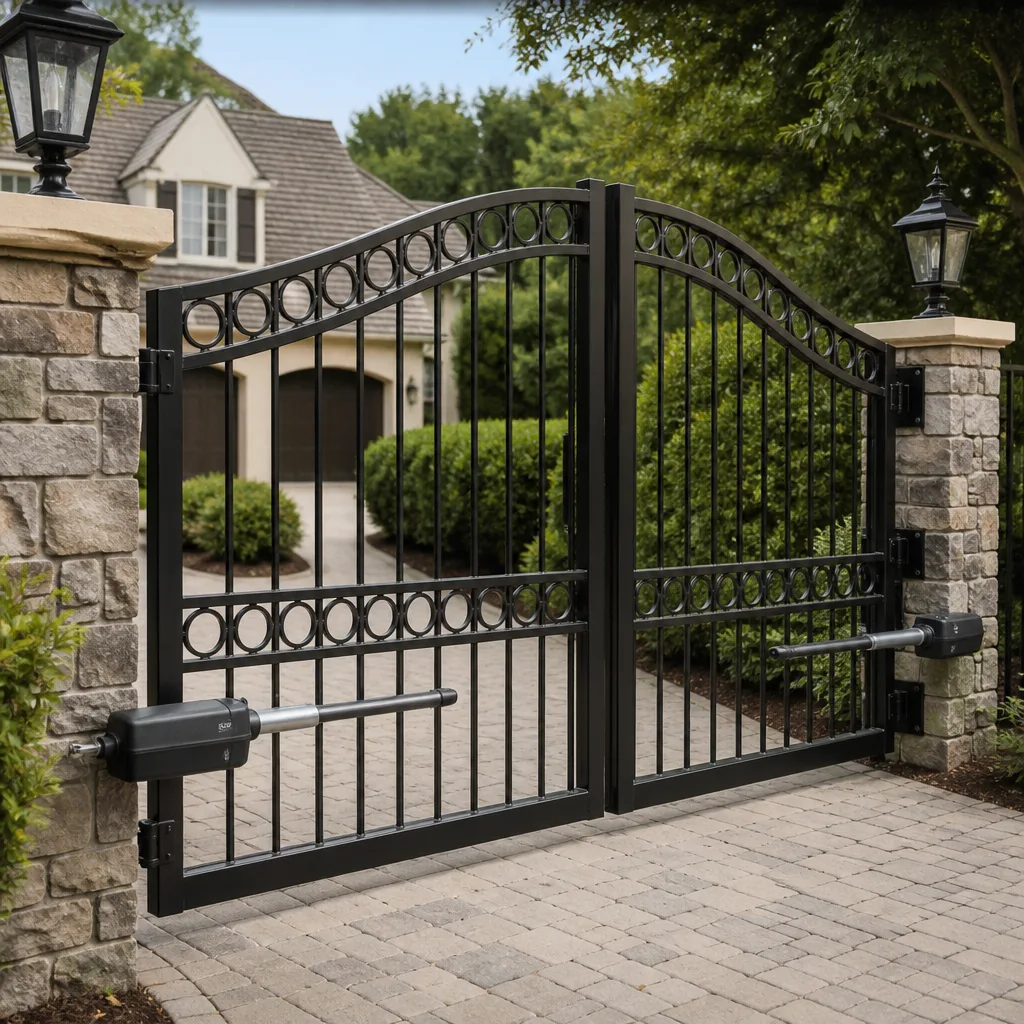 LiftMaster operators
Free on-site gate assessment - hinges, posts, and your LiftMaster or Nice gate operator checked before anything is quoted
The assessment is free and the quote is the invoice.
Get your free estimateGate Repair Emergency Preparedness Guide for Atwater Village Homes
Most Atwater Village homeowners think of a gate failure as an inconvenience. They picture waiting for a technician, maybe leaving the car on the street for a day. But a gate that won’t open during an evacuation, or a gate that hangs open after a power outage, is a different animal entirely. The time to figure out your gate’s manual release is not 4 a.m. with an evacuation order on your phone. This guide walks through the actual emergency playbook: how to get your gate open when it fails, how to secure it when you can’t, and what backup power actually covers. We’ve built this specifically for Atwater Village homes, where the LA River’s flood channel and our position on the city’s wildfire evacuation map mean that gate reliability is a genuine safety issue, not a theoretical one.
Quick Answer
Emergency gate preparedness in Atwater Village means knowing three things before anything goes wrong: where your manual release is and how to use it, what you’ll do if the power is out and the gate is stuck mid-position, and what information to have ready when you call for electric gate repair. Walk through your gate’s manual release once this month and write the steps down. Keep a charged phone and the number (877) 752-2593 saved now, because searching for a gate technician mid-emergency is exactly what you won’t have time to do.
Styles & brands we work with
- Wrought iron
- Wood & steel frame
- Farm & ranch
- Sliding driveway gates
- LiftMaster operators
Table of Contents
- Know Your Operator Before the Emergency
- Manual Release Procedure by Brand
- Securing an Open Gate in a Power Outage
- Backup Power Options for Gate Operators
- Emergency Contact Protocol: What to Have Ready
- Post-Emergency Inspection for Atwater Village Gates
- Atwater Village Flood Zone Specifics
Know Your Operator Before the Emergency
Every automated gate has a brain, and that brain is the operator. In Atwater Village, we see a genuinely wide range of units on residential driveways: older DoorKing units on homes built in the 1940s and 1950s, LiftMaster systems on newer remodels, and Ghost Controls on many of the lighter aluminum gates that became popular in the last decade. The manufacturer name is printed on the operator box, which is usually mounted on the gate post or the inside of the gate column. If you don’t know what you have, look at that box this week.
Knowing your brand matters for one reason: manual release levers are not in the same place on every system. A DoorKing slide gate operator has a release handle on the side of the chassis. A LiftMaster swing gate operator typically uses a keyed release on the top of the motor housing. Mighty Mule and Ghost Controls units, designed for DIY and lighter-duty use, often have a simple pull-pin or knob on the arm itself. Under stress, your fingers won’t remember what your eyes never learned. Find it now, when the gate is working, and practice the release once.
We also recommend writing your operator brand and model on a small laminated card and keeping it near your electrical panel or in the glove box of your car. When you call us, that information lets us diagnose faster on the phone. It’s the single most useful thing you can tell a technician, and most homeowners never have it ready.
Manual Release Procedure by Brand
The manual release is your gate’s emergency exit. It disengages the operator from the gate so you can push or slide the gate by hand. Here’s what to expect on the brands we see most often in Atwater Village.
- DoorKing slide gate operators: Look for a red or yellow release handle on the lower side of the operator chassis. Pull it firmly toward you, then rotate it to lock the release in the disengaged position. The gate will now slide freely on its track. Pull the gate open by hand using the gate frame itself, not the pickets or decorative elements, which can bend.
- LiftMaster swing gate operators: Most LiftMaster residential units have a manual release key located on top of the operator housing. Insert the release key, turn it clockwise, and pull the release handle outward. The arm will detach from the gate. Swing the gate manually by pushing from the hinge side for better leverage.
- Elite commercial and heavy residential operators: Elite units often use a crank handle stored on or near the operator. Insert the crank into the release port and rotate counterclockwise until you feel the gear disengage. These gates are heavier, so a stuck Elite gate may require two people to move manually.
- Ghost Controls and Mighty Mule: These lighter-duty operators typically have a pin or knob at the connection point between the arm and the gate bracket. Pull the pin, lift the arm off the bracket, and the gate swings free. If the arm is under tension, do not force the pin; instead, disconnect power at the breaker first and try again.
One safety note that applies to every brand: a heavy steel or iron gate that has been disengaged can move faster than you expect, especially on a slope. Many Atwater Village driveways slope toward the street or alley. Always stand to the side of the gate, never behind it, when you release it. If the gate is a slide gate on an incline, chock the wheels or have a second person hold it before releasing the operator. A sliding gate that rolls on its own can cause serious injury.
Practice this standing at your gate on a calm Sunday afternoon. You don’t need to open the operator box. You just need to know where the release is, what it looks like, and which direction it turns. Five minutes now beats fifteen panicked minutes later.
Securing an Open Gate in a Power Outage
If the power goes out while your gate is closed, most operators keep the gate closed. You release it manually, drive out, and then you have a different problem: the gate is open, and the operator is dead. In Atwater Village, a power outage that coincides with an evacuation means every open gate is an invitation. Here’s how to secure an open gate by gate type until power returns or a technician arrives.
Slide gates: Slide the gate closed by hand and use a chain or heavy-duty padlock through the gate frame and the post to hold it. If the gate has a drop bolt or a locking post, lower the bolt. Many Atwater Village slide gates have a cane lock or a latch post designed exactly for this. If yours doesn’t, a bicycle lock through the vertical gate rail and the fixed post works in a pinch. Do not rely on the operator to hold the gate closed; without power, it won’t.
Swing gates with two leaves: Push both leaves closed and secure them at the center with a chain and padlock, or use the built-in drop rod on one leaf and a manual latch on the other. If the gate has no mechanical latch, run a heavy strap or chain from leaf to leaf. A single leaf swing gate can be chained to the fixed post.
Pivot or barrier gates: These are typically commercial or light industrial in Atwater Village, but a few residential properties along the LA River path use them. Chain the moving end to the mounting post. These gates are heavy and should not be moved by one person alone if they have been partially forced.
If the gate was forced open or struck during the outage, do not try to muscle it back on its track or hinges. Bent track, sheared pins, and warped frames need a straightening or replacement before the operator will run cleanly again. Call us at (877) 752-2593. We answer 24/7. Fast dispatch from 7am to 7pm, Sunday through Friday, and we will assess the damage with a free estimate before any work starts.
Backup Power Options for Gate Operators
Backup power for gate operators in Atwater Village falls into two practical categories, and a lot of homeowners don’t know the difference. Battery backup units and generators do not do the same job.
Battery backup units are rated for a limited number of cycles, not continuous use. A typical residential battery backup will run a gate open and closed anywhere from 10 to 50 times on a full charge, depending on gate weight, operator type, and battery condition. That means during a prolonged outage, which does happen in Los Angeles during heat events and wildfire-risk shutoffs, a battery backup gets you through an evacuation but not through a week of daily use. If you have one, test it every six months by cutting power at the breaker and cycling the gate. Most battery failures we see in Atwater Village are discovered during an actual emergency because the battery was never tested and had quietly died years earlier.
Generator integration is a different setup. A whole-house generator or a large portable generator that feeds the gate circuit will run the operator continuously as long as the generator has fuel. This is the more dependable option for a property that needs the gate operational throughout an extended outage. The installation requires a transfer switch and, for most Atwater Village homes, a permit from the city. Check with the building department before you commit.
One honest caveat: a generator will not fix a gate that already has a mechanical problem. If the track is bent or the operator’s control board is damaged, backup power just means a damaged gate with electricity. Have the gate itself inspected before you invest in backup power, so you’re not putting a battery on a failing system.
Emergency Contact Protocol: What to Have Ready
When you call for gate repair during or after an emergency, the first three minutes of the call determine how fast we can help. The more specific you can be, the faster we can diagnose, source parts, and dispatch a technician with the right gear. Here’s what to have in front of you when you dial.
- The operator brand and model. Written on the operator box. This is the single most useful piece of information. DoorKing, LiftMaster, Elite, Ghost Controls, Mighty Mule: the brand tells us what release mechanism, control board, and parts we’re likely dealing with.
- What the gate is doing. Not just “it’s broken.” Is it stuck open? Stuck closed? Opening halfway and reversing? Making a grinding noise? Dead silent? Beeping but not moving? The specific symptom narrows the diagnosis dramatically.
- What happened before it failed. Power outage, lightning, a car bump, a wind gust, flood water, or nothing at all. The cause matters, and in a flood or fire-adjacent event, knowing the gate was exposed to water or debris tells us what to check first.
- Gate type and approximate size. Slide or swing, single or double, steel, iron, aluminum, or wood. Weight matters for parts and labor. A wooden double swing gate near the LA River will have a very different failure profile from a light aluminum slide gate off Glendale Boulevard.
- Your address and access details. If the gate is stuck closed, tell us whether there’s a pedestrian gate, a side path, or a rear alley. In Atwater Village, many lots have alley access, and that changes how we approach the job.
Having these five items ready means the technician arrives with the correct release, the likely replacement part, and a plan. It’s the difference between one visit and two. Call (877) 752-2593. We answer 24/7. Fast dispatch from 7am to 7pm, Sunday through Friday. The estimate is free, and the price is agreed before any work begins.
Post-Emergency Inspection for Atwater Village Gates
After a gate has been manually released, forced, or exposed to water or debris, it cannot simply be reconnected and forgotten. We’ve seen too many Atwater Village gates fail a second time within days of an emergency because a homeowner re-engaged the operator on a misaligned track or a damaged arm, and the system tore itself apart under power. Before returning to automated use, walk through these checks.
Track and wheels on slide gates: Mud, sand, and debris from flood water or wind collect in the V-track and chew up the rollers. Clean the track fully. Check that all four wheels or rollers are in the track and that none are seized. If the gate was pulled off the track, the track itself may be bent. Run the gate by hand through its full travel. It should move smoothly with consistent effort. If it binds or scrapes, that’s a repair, not a reset.
Hinges and arms on swing gates: Look at the hinge bolts and the operator arm where it attaches to the gate. Forced opening bends the arm at that connection point. If the arm is visibly angled or the bolt holes are ovaled, the system will fight itself under power and eventually strip the operator gears. Do not run a damaged arm.
Control board and electrical: If the gate was in standing water, which is a real possibility in parts of Atwater Village near the flood channel, any operator mounted low on the gate column may have water in the chassis. Do not power it back on yourself. A wet control board can short. Have the electrical inspected before the operator is re-energized.
Safety devices: After any manual operation or impact, check that the photo eyes are still aligned and clean. On a slide gate, the edge sensors and the warning siren or strobe should be tested. These devices are what keep a gate from closing on a person or a car, and they are often the first thing knocked out of alignment when a gate is handled manually in a hurry.
If any of these checks fail, call Gate Repair Atwater Village for a free on-site estimate. We’ll inspect the gate, tell you exactly what needs fixing, and give you a written price before any work starts.
Atwater Village Flood Zone Specifics
Atwater Village sits directly against the LA River, and a significant portion of the neighborhood falls within the city’s designated flood hazard area. For a home with an automated gate, that changes the emergency math in two ways.
First, evacuation routes matter. Many Atwater Village streets funnel toward Glendale Boulevard and Fletcher Drive, and several of those routes cross or parallel the river. A gate that will not open at the driveway is a gate that traps a car. If an evacuation order comes, every minute spent fighting a stuck gate is a minute you cannot get back. The time to confirm your manual release works is not during that order.
Second, flood water and gate electronics are a bad combination mounted low. In the lower-lying streets near the river channel, an operator installed on a gate column or bollard can be partially submerged or sprayed in a high-water event. After any flood exposure, treat the operator as electrically suspect until it has been inspected. Water in the wiring, the transformer, or the control board will fail unpredictably. Do not reset a wet operator and assume it is fine.
Even outside the mapped flood zone, Atwater Village’s mature trees drop leaves and seed pods that clog gate tracks year-round. During our occasional heavy rain events, that debris turns into an abrasive slurry that grinds rollers and rams into the operator’s travel limits. Keeping the track clear is a small thing, but in an emergency, it’s the difference between a gate that opens and one that stalls mid-travel with your car halfway through.
For homeowners along the river side of the neighborhood, we recommend checking your gate’s clearance and your manual release at the start of the rainy season, not during the first storm. It’s a ten-minute check that means the gate works when it matters.
Common Mistakes to Avoid
- Waiting until the gate fails to find the manual release. The release is in a different place on every brand, and under stress it’s easy to miss. Find it now. Practice it once. Write the steps down.
- Forcing a gate that has jammed under power. If the operator is fighting a jam and you force the gate by hand, you can bend the arm, strip the gears, or pull a slide gate off its track entirely. Release the operator first, then move the gate.
- Assuming a battery backup means unlimited use. A backup battery is rated for a finite number of cycles. Running the gate for normal daily use during an extended outage drains it fast, and you may be left with a dead gate when you actually need to leave.
- Leaving an open gate unsecured during an outage. A power outage in Atwater Village during an emergency is exactly when you don’t want an unlatched driveway gate. Chain it, padlock it, or drop the bolt. Do not rely on a dead operator to hold it.
- Re-energizing a gate that was exposed to flood water or forced open. A wet control board can short, and a bent track will destroy the rollers under power. Inspect first, then run.
- Not knowing what brand of operator you have. “It’s a gray box on the gate post” doesn’t help a technician source the right part. The brand name is on the box. Read it and write it down.
- Calling a generalist who doesn’t work on your gate’s brand. Gate systems vary widely. A technician who has never touched a Viking or a BFT unit will spend your time and money learning on your gate. Call a gate specialist who works on your brand.
See the difference
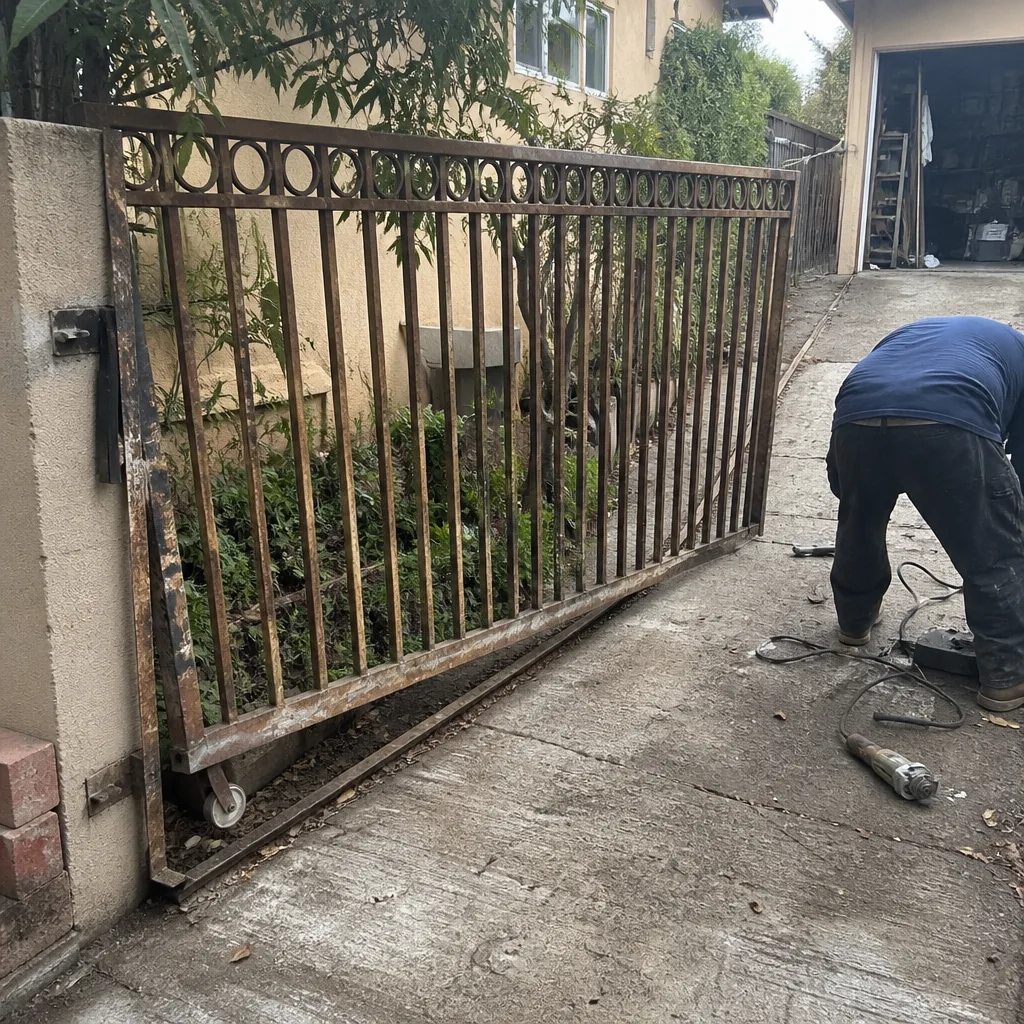 Before
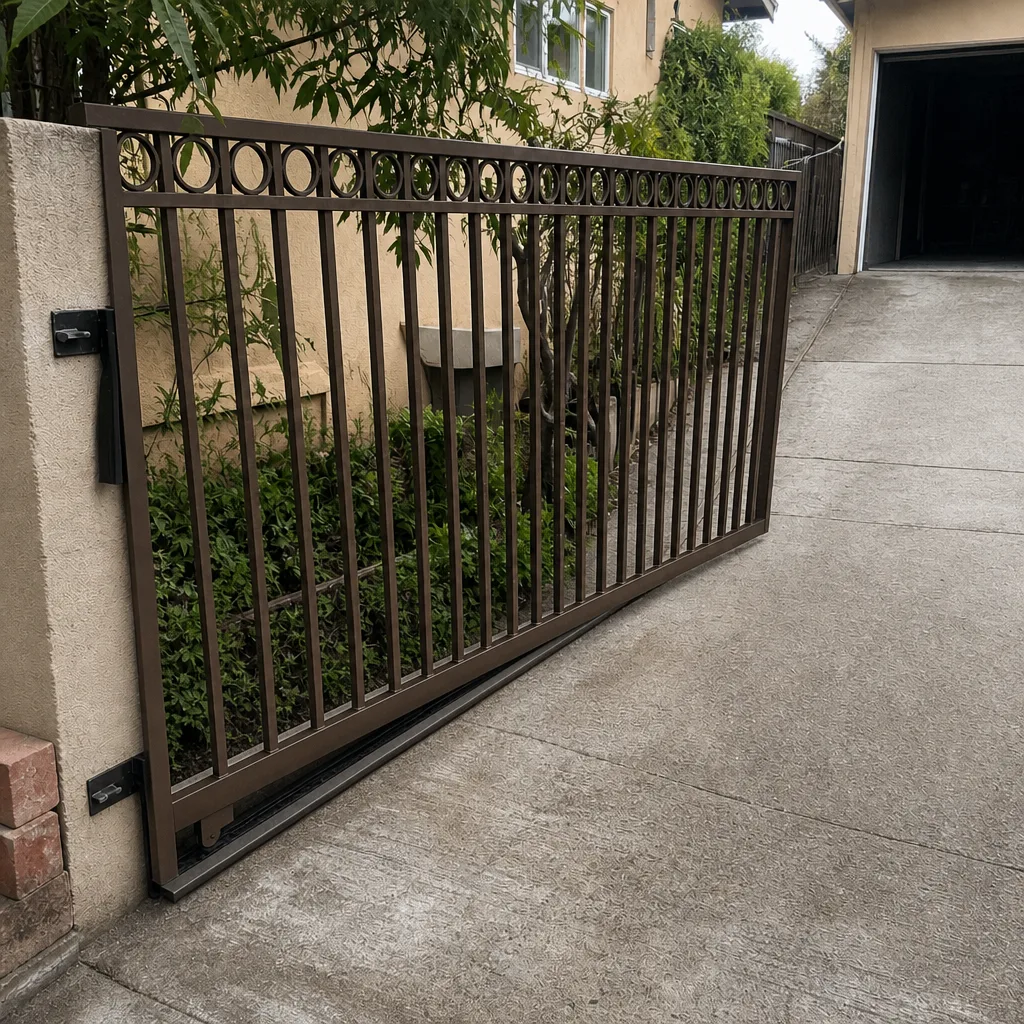 After
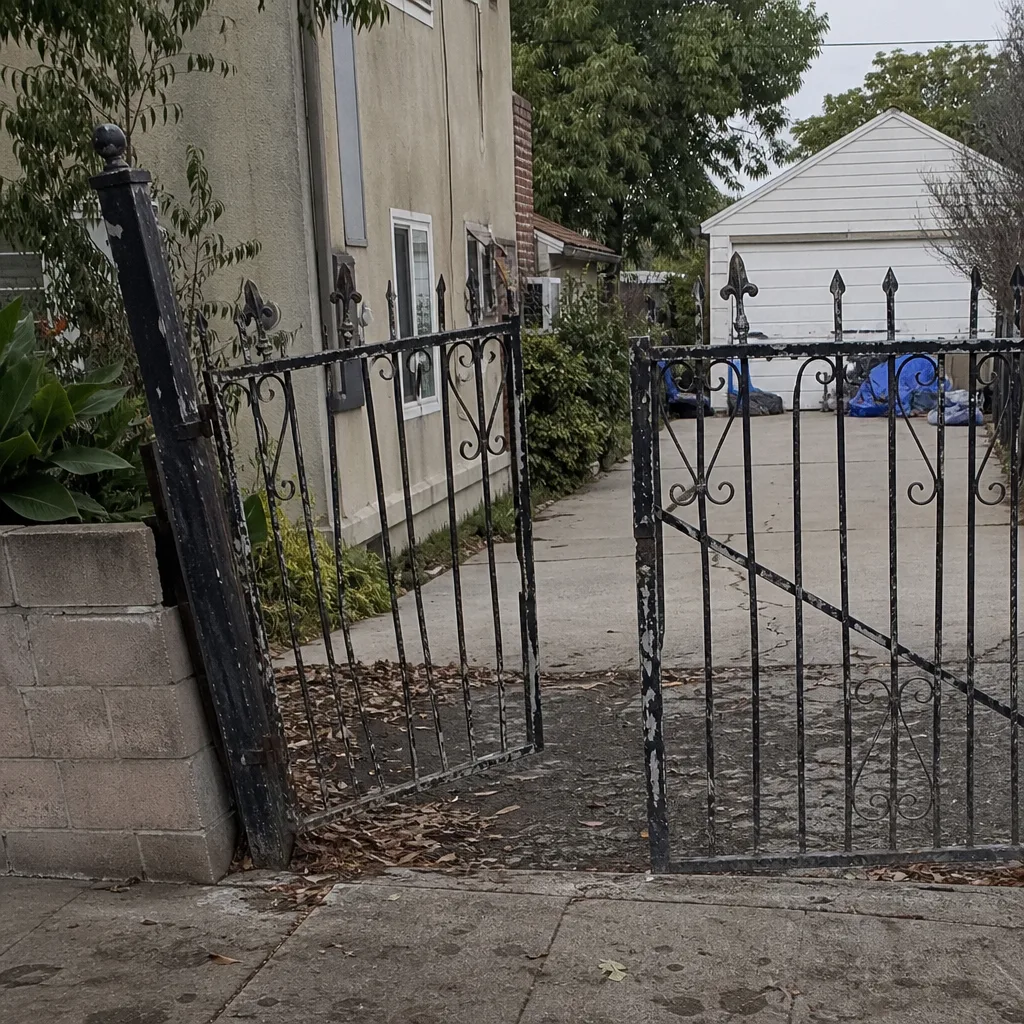 Before
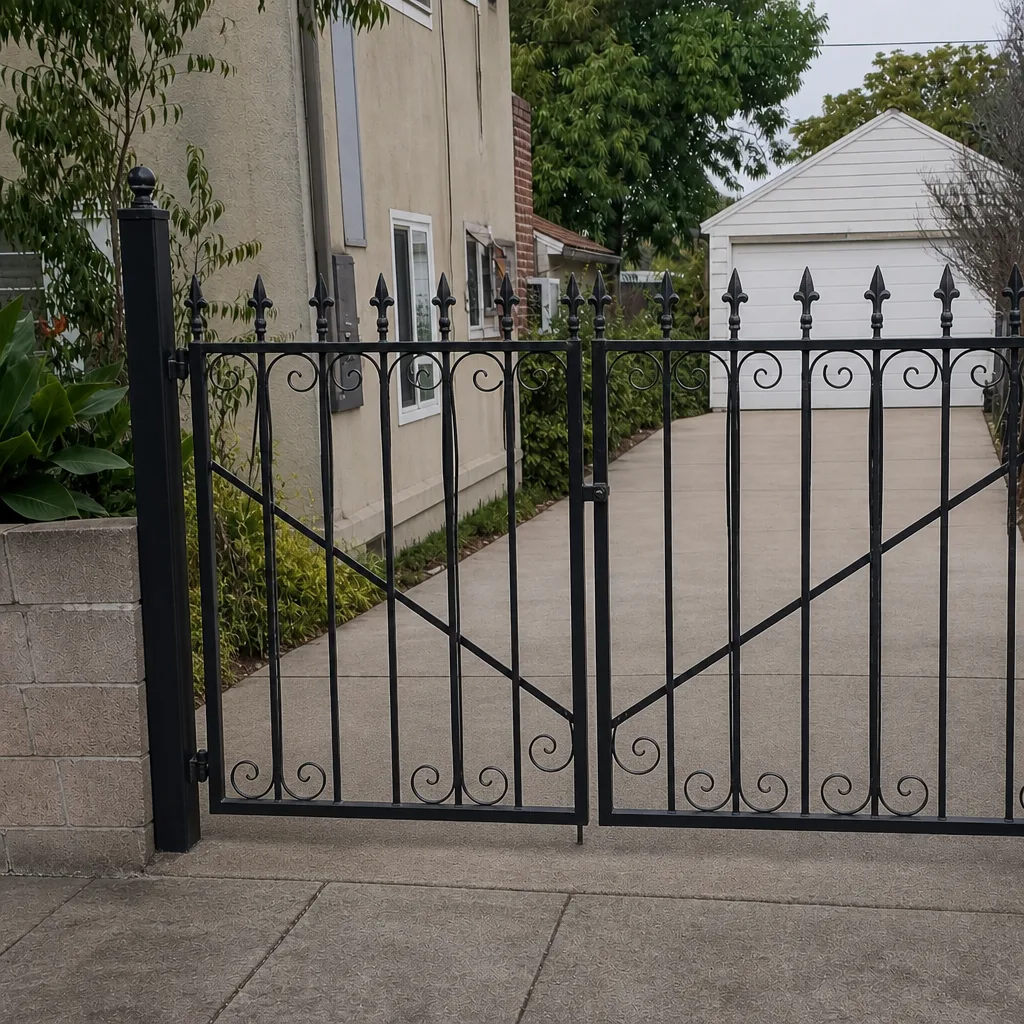 After
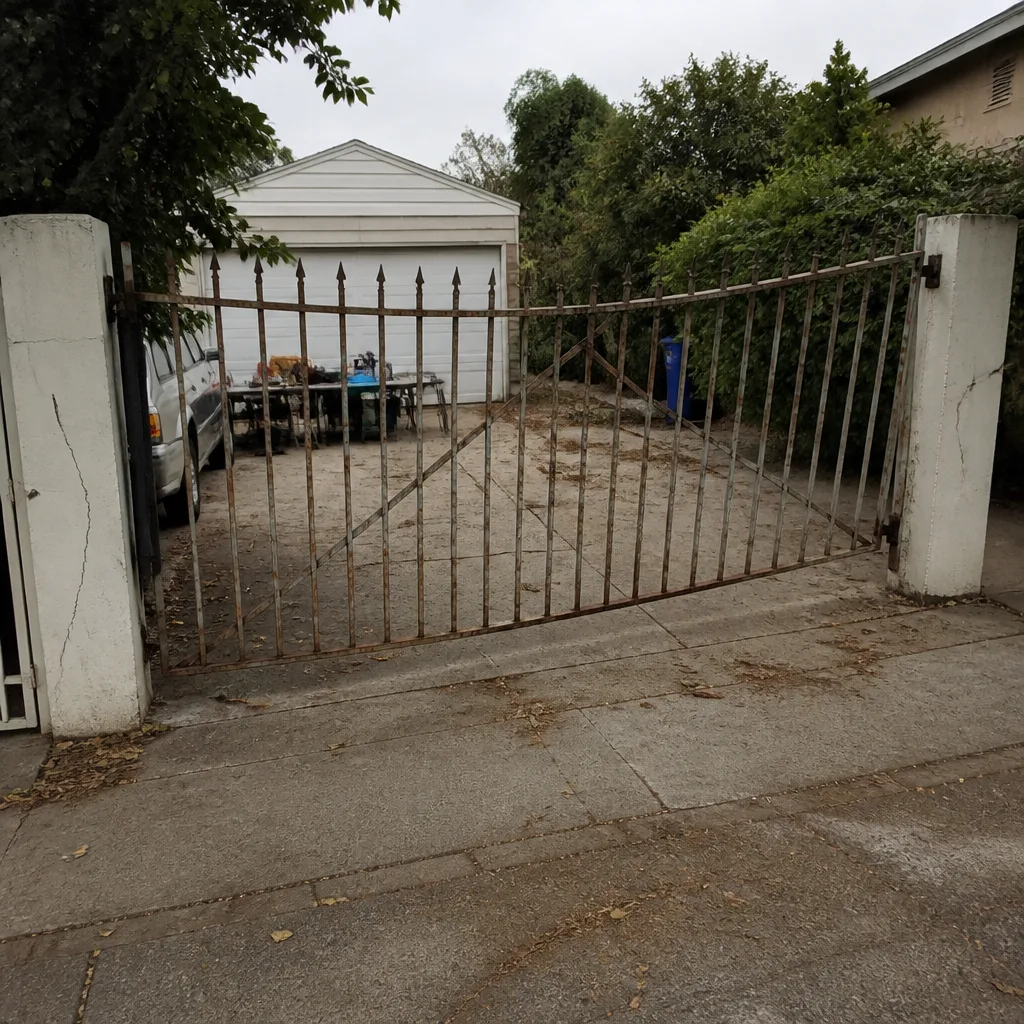 Before
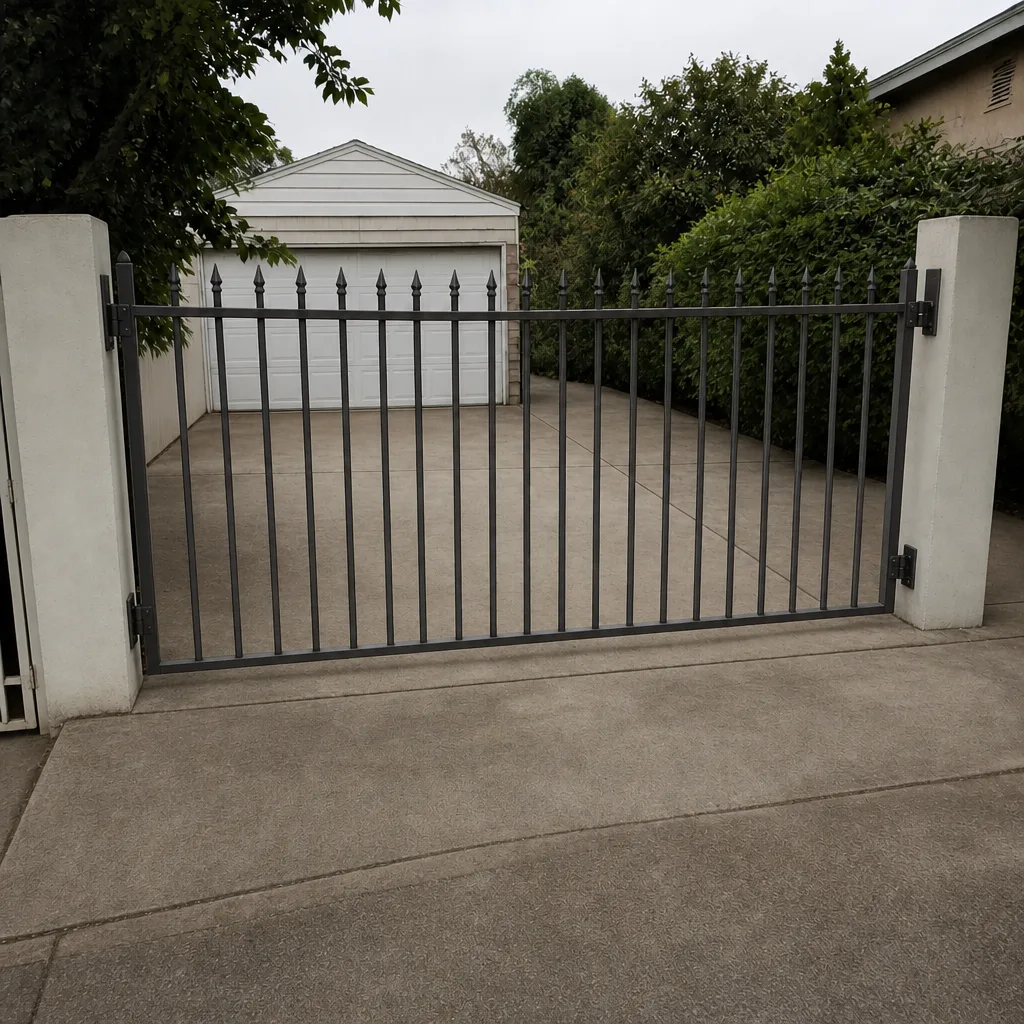 After
When to Call a Professional
Call a professional when the gate has been forced, exposed to water, struck, or manually released in an emergency and you haven’t been able to confirm that the track, hinges, arm, and electronics are undamaged. Call if the gate moves but makes a sound it didn’t make before, or if the safety devices won’t clear. Call if the operator is dead and you can’t find or operate the manual release. Call if the gate is heavy enough that moving it by hand feels unsafe, which covers most steel and solid wood gates in Atwater Village. Gate Repair Atwater Village offers free estimates in Atwater Village, and we work on the brand you already have: DoorKing, LiftMaster, Ghost Controls, Elite, Mighty Mule, and the rest. Call (877) 752-2593. We answer 24/7. Fast dispatch from 7am to 7pm, Sunday through Friday.
Frequently Asked Questions
Release the operator using the manual release, then open the gate by hand from the side, never from behind it. If you don’t know where the release is, call (877) 752-2593 and we’ll walk you through it on the phone. We answer 24/7, and a call outside dispatch hours is booked into the next opening, Sunday through Friday, 7am to 7pm.
Emergency gate repair cost depends on the operator brand, the damage, and whether parts are needed. A simple manual release reset is a short service call, while a bent track or a flooded control board is a parts-and-labor job. The estimate is free, and the price is set by the written estimate before we start.
Yes, if the generator feeds the gate circuit through a proper transfer switch, the operator will run as long as the generator has fuel. That’s different from a battery backup, which only provides a limited number of cycles. Ask the city about permits before installing a transfer switch.
Most operators have a manual release that does not require a key, though some LiftMaster models use a keyed release on the top of the housing. If your release is keyed and you don’t have the key, do not try to pry the housing. Call us at (877) 752-2593 and we’ll help you identify the release and your options.
Slide the gate closed by hand and secure it with a chain and padlock through the gate frame and the fixed post, or lower the drop bolt if the gate has one. For a double swing gate, close both leaves and chain them at the center. Do not rely on a dead operator to hold the gate in place.
Yes, and this is especially important for lower-lying Atwater Village streets near the LA River flood channel. Water in the operator chassis, wiring, or control board can fail unpredictably. Have the electrical and the track inspected before returning the gate to automated use.
The Bottom Line
Emergency gate preparedness for Atwater Village homes comes down to knowing your equipment before the emergency rather than during it. Know your operator brand. Find the manual release and practice it once. Know how you’ll secure the gate if the power is out and the gate is open. Have backup power only if you understand what it actually covers, and have the gate inspected first. Keep the brand, the symptom, the cause, the gate type, and your access details ready when you call. Atwater Village’s flood zone and evacuation route realities make this a safety matter, not a convenience. Walk through the checklist now, keep (877) 752-2593 saved, and you won’t be figuring any of this out at the worst possible moment.
Written by the team at Gate Repair Atwater Village, serving Atwater Village since 2012.